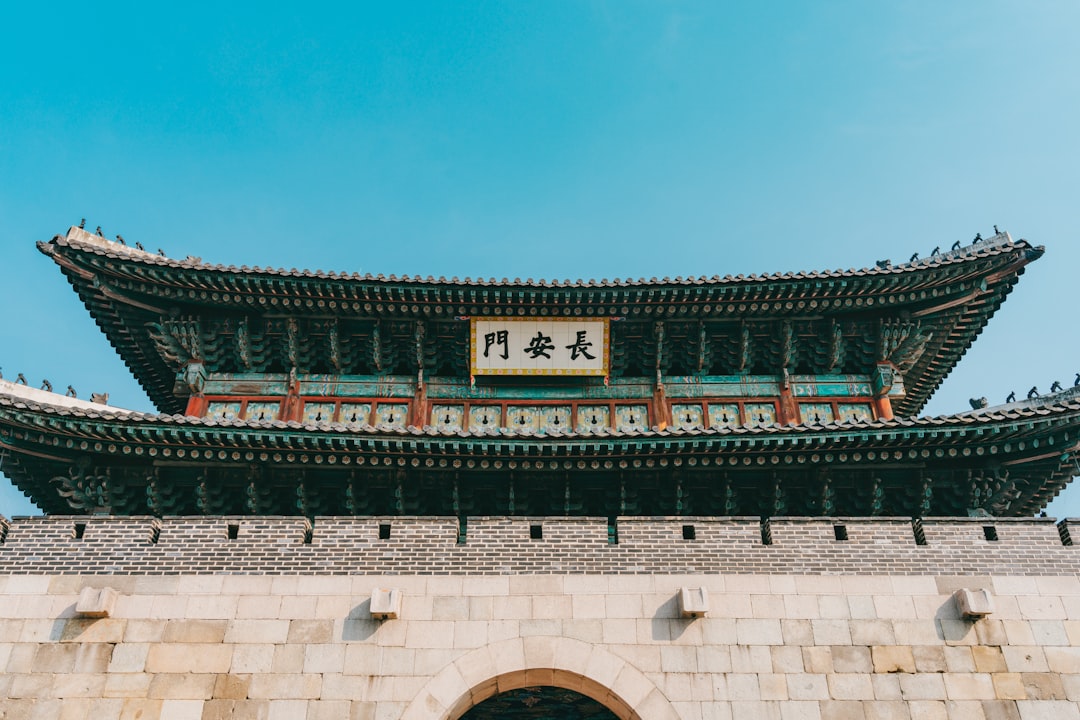

Hwaseong Fortress, located in the heart of Suwon, is a magnificent example of military architecture and a testament to Korean history. Built between 1794 and 1796 during the reign of King Jeongjo, this imposing structure surrounds the city center and represents an important cultural heritage, recognized by UNESCO as a site of global interest. The fortress not only encapsulates the history of a king and his bond with his father, but it is also a place of great scenic and architectural beauty.
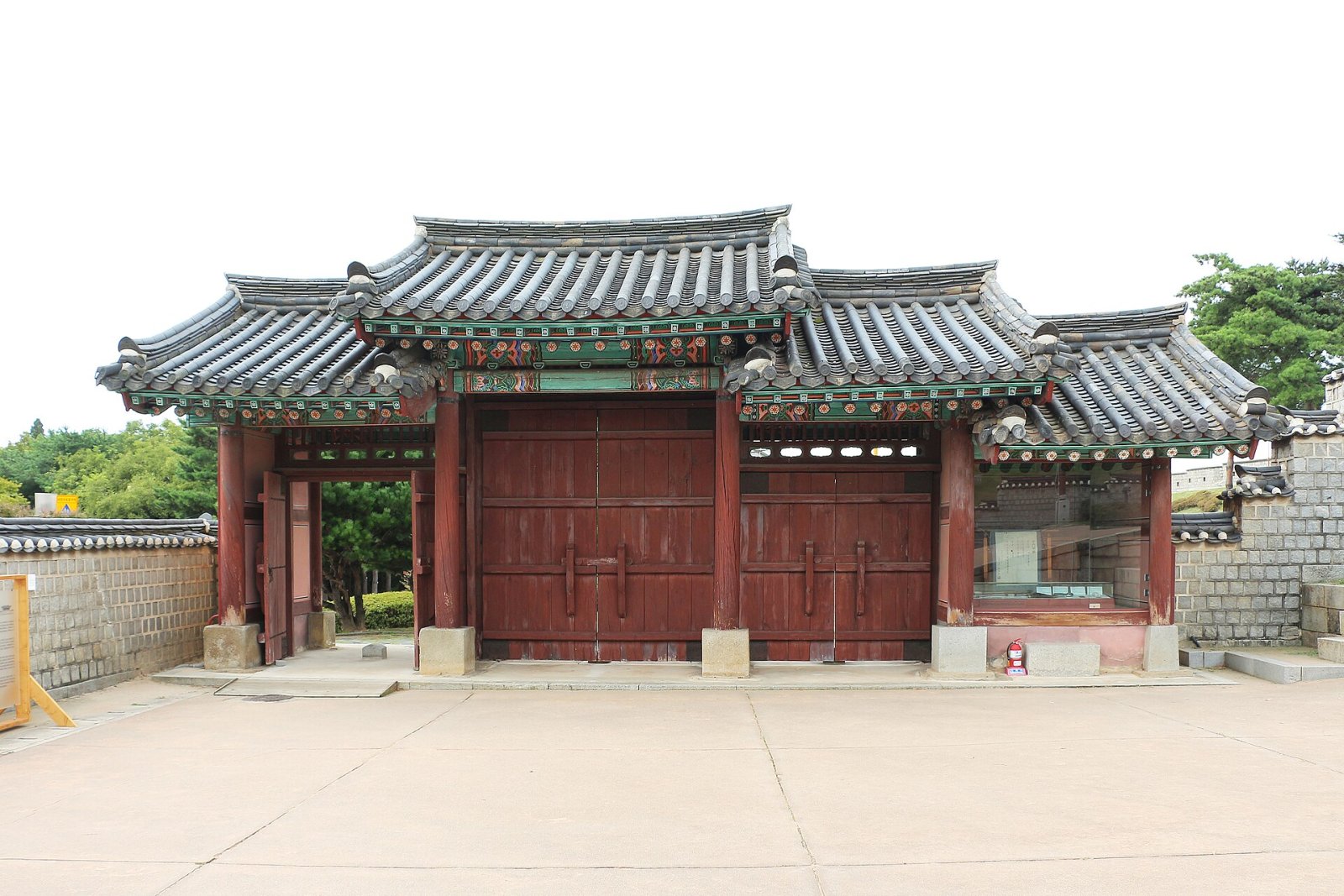
Visiting Hwaseong Fortress means immersing oneself in a bygone era, exploring its majestic walls and discovering the secrets behind its construction. The fortress's strategic location, about 30 kilometers south of Seoul, makes it easily accessible and an ideal starting point for exploring Gyeonggi Province.
History and Origins
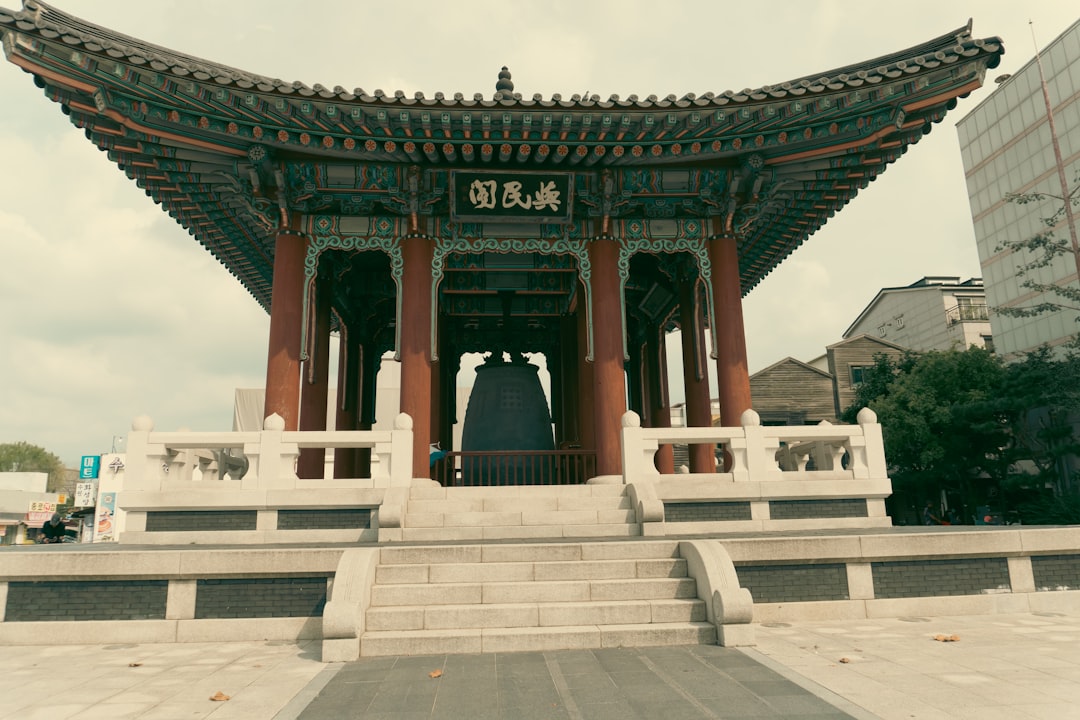
Hwaseong Fortress was erected by King Jeongjo of the Joseon dynasty to honor the memory of his father, Prince Sado, who was tragically killed due to a family dispute. This act of construction is not only a personal tribute but also reflects the king's political ambitions, as he sought to move the capital from Seoul to Suwon to promote reforms and stability. The choice of Suwon as the new seat of power was motivated by its strategic location, capable of connecting Seoul with the Yellow Sea and China.
The fortress is an example of advanced engineering for its time, combining traditional techniques with architectural innovations. The walls, approximately 5.7 kilometers long, are built with local materials and feature a design that integrates natural and artificial elements, making it not only a fortification but also a work of art.
Elements to Observe
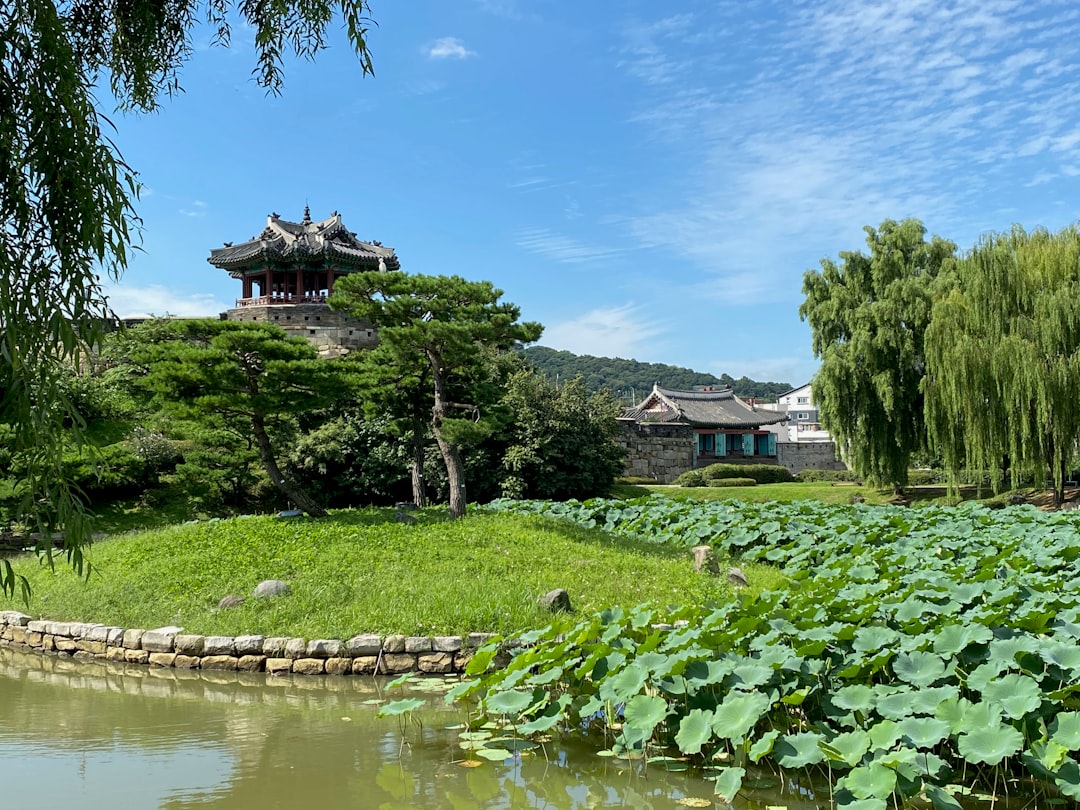
Inside Hwaseong Fortress, visitors can admire numerous architectural elements of great significance. Among these stand out the four main entrances, each with its own distinctive style, and the Haenggung Palace, a temporary residence for the king during visits to the region. The fortress is also equipped with two sluices that regulate the flow of the Suwoncheon, the watercourse that runs through the complex, adding an additional level of functionality and beauty to the site.
Every corner of the fortress offers panoramic views of the city of Suwon and the surrounding countryside, making the visit not only a historical experience but also an opportunity to appreciate the natural landscape. Walks along the walls, especially at sunset, provide moments of pure visual poetry.
Why It Is Interesting Today
Today, Hwaseong Fortress is not only a historical site but also a gathering place for residents and tourists. Its cultural importance is highlighted by events and festivals that take place throughout the year, attracting visitors interested in immersing themselves in Korean culture. The fortress also serves as a backdrop for film productions and television series, helping to keep its history alive in a modern context.
In an era where cultural heritage is increasingly valued, Hwaseong Fortress represents an example of how history can be preserved and celebrated. Its accessibility through modern transportation infrastructure makes this site a must-visit for anyone traveling to South Korea, offering an experience that bridges the past with the present.
To further explore the history and culture of this fascinating place, you might consider using the Secret World app, which offers detailed information and tips for an unforgettable visit.