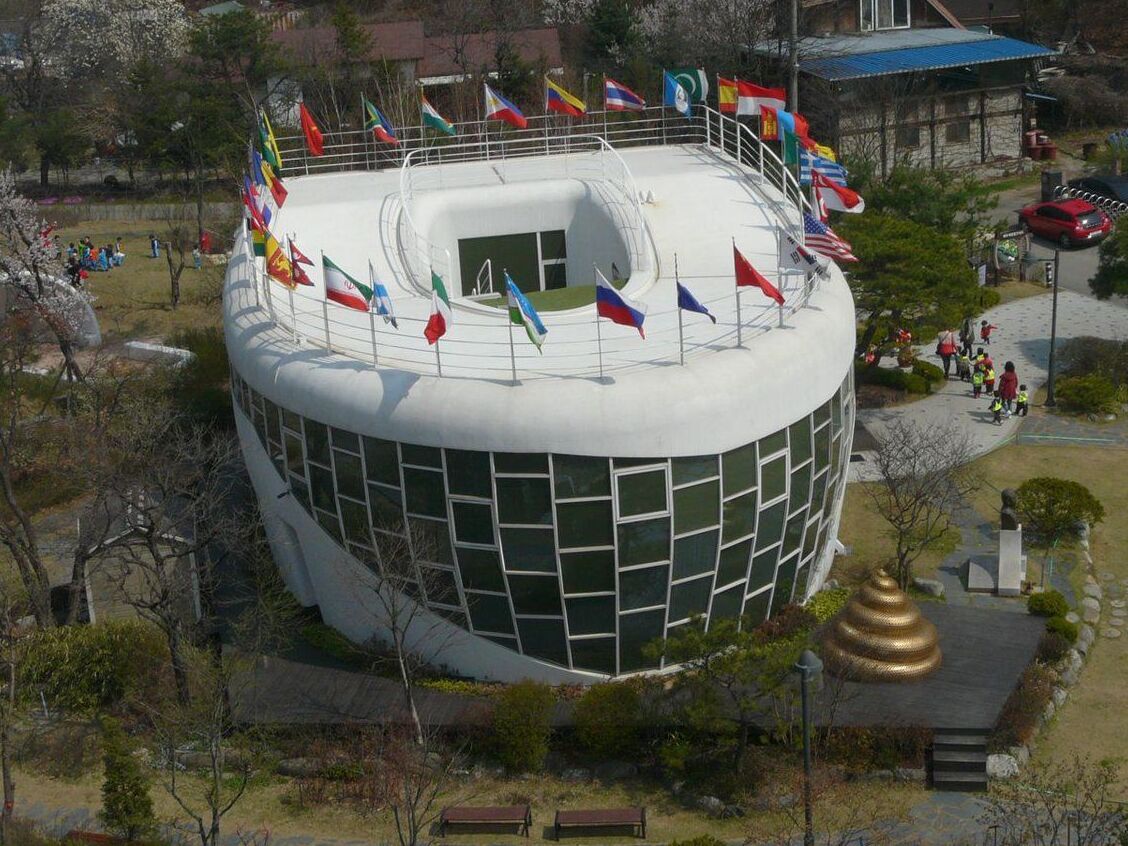

Nestled in the vibrant city of Suwon, about 46 km south of Seoul, lies the fascinating and unconventional Haewoojae, or the Toilet House. This unique structure, which opened its doors on November 9, 2007, serves as a monument to sanitation and a testament to the importance of hygiene in our lives. Built by the late Sim Jae-deok, founder of the World Toilet Association, Haewoojae is not just a quirky piece of architecture; it embodies a significant movement towards better sanitation worldwide.
### History and Origins The story of Haewoojae is deeply intertwined with South Korea’s history and its efforts to improve public health standards. The concept emerged from cultural beliefs surrounding cleanliness and the importance of sanitation in daily life. In many cultures, particularly in Asia, the toilet is considered a sacred space that reflects one’s personal and communal hygiene standards.
Sim Jae-deok, who was not only a visionary in sanitation but also a passionate advocate for global hygiene, conceptualized the Toilet House as a symbol of the World Toilet Association, which he founded in the same year. The organization aimed to raise awareness about sanitation issues worldwide and promote better toilet facilities. Haewoojae’s unveiling marked the beginning of a global conversation about sanitation, drawing attention to the 2.6 billion people worldwide who lack proper toilet access.
### Art and Architecture Haewoojae’s architecture is undeniably eye-catching, designed to resemble an oversized toilet. The house features a unique blend of modern and traditional Korean architectural styles, incorporating elements such as hanok (traditional Korean house) aesthetics while embracing contemporary design. The exterior is shaped like a toilet bowl, complete with a roof that mimics the lid.
Inside, the house is filled with artworks and exhibits that highlight the importance of sanitation. Visitors can explore educational displays about hygiene, the history of toilets, and sanitation innovations. The engaging design is not merely a gimmick; it serves an educational purpose, encouraging people to think about sanitation in new and innovative ways.
### Local Culture and Traditions Suwon is rich in culture and tradition, home to the Hwaseong Fortress, a UNESCO World Heritage site, and various local festivals. One of the most notable celebrations is the Suwon Hwaseong Cultural Festival, which takes place every autumn and showcases traditional Korean music, dance, and food.
Local customs often revolve around respect for family and communal living, where cleanliness is seen as a reflection of one’s character. Events at Haewoojae sometimes coincide with these festivals, promoting community engagement and discussions about hygiene and health.
### Gastronomy Suwon is famous for its culinary delights, particularly its galbi (grilled ribs) and the unique dish known as Suwon fried chicken. Local eateries often serve up these specialties, making for a delightful gastronomic experience after visiting Haewoojae. The area also boasts a vibrant street food scene, where you can enjoy everything from tteokbokki (spicy rice cakes) to sweet bungeoppang (fish-shaped pastries filled with red bean paste).
### Lesser-Known Curiosities While Haewoojae may seem like an odd tourist attraction, it has garnered international attention for its unique stance on sanitation. Interestingly, it also features a small museum dedicated to the history of toilets, which showcases toilet designs from various cultures and eras. This adds an educational layer that many visitors might overlook.
Additionally, Haewoojae hosts various workshops and community events that aim to educate the public about the importance of sanitation and hygiene. The site has become a conversation starter about the role of toilets in public health, often surprising tourists with its depth and significance.
### Practical Visitor Information The best time to visit Haewoojae is during the spring and autumn months when the weather is mild, and the surrounding scenery is at its most picturesque. It is advisable to check the local calendar for any scheduled events or festivals that may enhance your visit.
When planning your trip, consider combining your visit to Haewoojae with a stroll around Hwaseong Fortress and the nearby Suwon Traditional Market to experience the local culture more fully. Remember to take your time exploring the various displays within the house and engage with the informative exhibits.
In conclusion, Haewoojae is more than just a quirky house shaped like a toilet; it is a significant cultural landmark that emphasizes the importance of sanitation in a fun and engaging way. For a unique experience in Suwon, be sure to include this unforgettable destination in your itinerary.
Use the Secret World app to craft a personalized itinerary for your visit to Suwon.