






Nestled in the heart of Uzbekistan, Bukhara beckons with its rich tapestry of history and culture, standing as a proud sentinel of the ancient Silk Route. This city-museum, with over 2,000 years of history, offers a mesmerizing journey back in time, showcasing a medieval urban landscape that has endured the sands of time.

The origins of Bukhara are steeped in legend and history, believed to have been founded by Siyavush, a mythical Persian prince. Its documented history dates back to the 6th century BCE, flourishing as a trading hub on the Silk Route. Under the Samanid dynasty in the 9th and 10th centuries, Bukhara became a center of Islamic culture and scholarship. The city witnessed a golden age, producing notable scholars like Avicenna and Al-Biruni. In 1220, it faced the wrath of Genghis Khan, yet managed to rise from the ashes, showcasing its resilience and indomitable spirit.
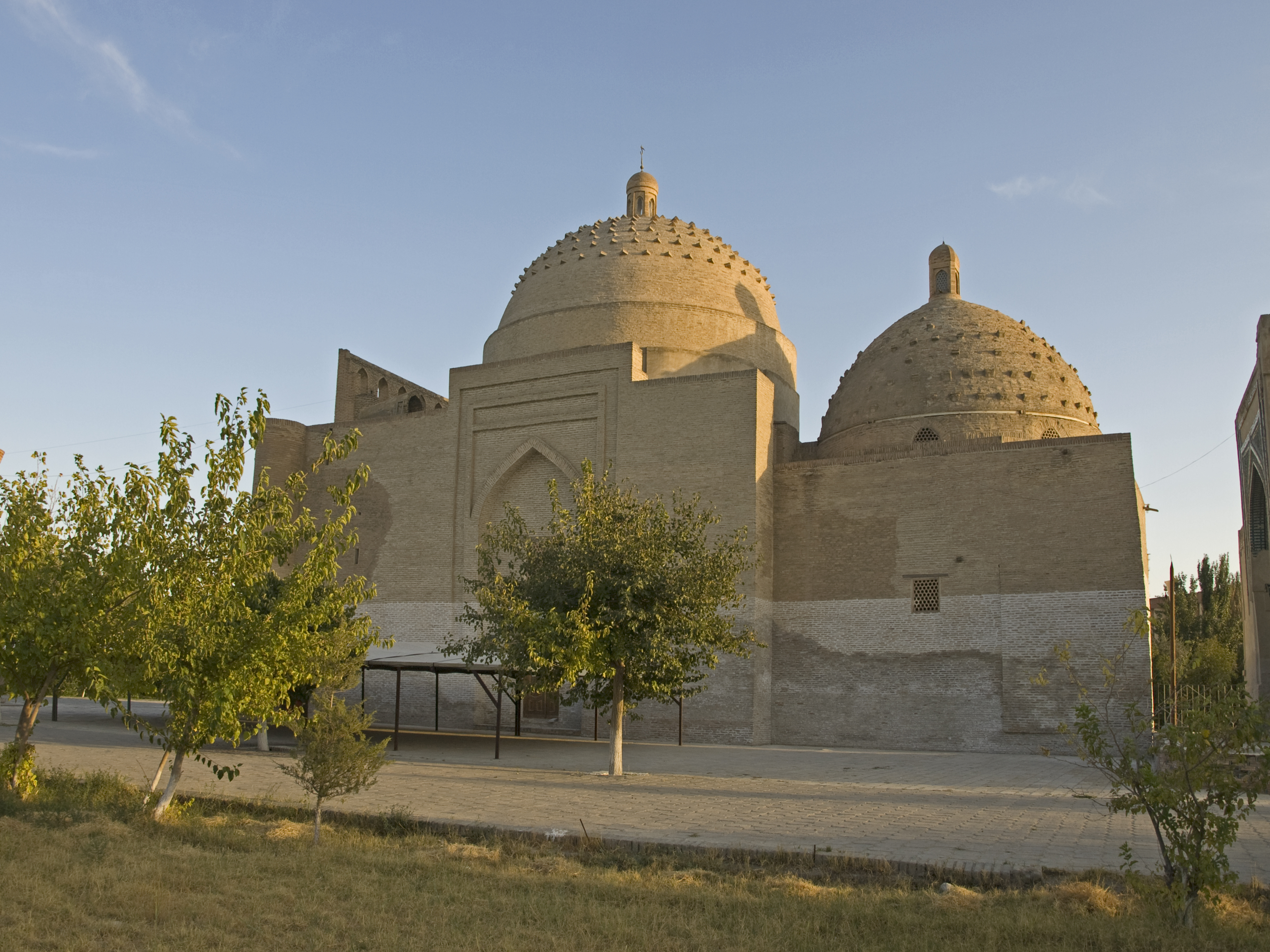
Bukhara's architectural marvels are a testament to its illustrious past. The Ismail Samani Mausoleum, a 10th-century masterpiece, stands as a stunning example of early Islamic architecture, renowned for its intricate brickwork and harmonious proportions. The Kalyan Minaret, affectionately known as the 'Tower of Death', has dominated the skyline since 1127, offering a panoramic view of the city. Wander through the Poi Kalyan complex and the Ark Fortress, each narrating tales of conquest and culture. The city is also home to a plethora of madrasas, like the Mir-i-Arab Madrasa, showcasing exquisite tilework and intricate designs.
The cultural fabric of Bukhara is vibrant and diverse, intertwined with its rich history. The city celebrates numerous festivals, the most notable being the Silk and Spices Festival, where locals and visitors alike indulge in traditional crafts, music, and dance. The Navruz (Persian New Year) is another significant event, marking the arrival of spring with lavish feasts and communal gatherings. Bukhara's culture is deeply rooted in its Islamic heritage, yet it retains a unique character, reflected in its traditional handicrafts, music, and dance.
No visit to Bukhara would be complete without savoring its gastronomic delights. The city is famous for its hearty dishes like plov, a savory rice dish cooked with lamb, carrots, and spices, often considered Uzbekistan's national dish. Enjoy the delicate flavors of samsa, baked pastries filled with meat and onions, and sip on green tea, the drink of choice for locals. The bustling bazaars overflow with local breads and dried fruits, capturing the essence of Bukhara's culinary heritage.
Beyond the well-trodden paths lie lesser-known curiosities that enrich Bukhara's allure. Did you know that the Chor Minor, often mistaken as a mosque, is actually an entrance to a madrasa that no longer exists? This quirky structure with its four minarets is a hidden gem. The Maghoki-Attar Mosque, one of the oldest in Central Asia, is a fascinating blend of Zoroastrian and Islamic influences, a testament to Bukhara's multicultural past.
For visitors, the best time to explore Bukhara is during the spring (April to June) or autumn (September to November) when the weather is mild and pleasant. To make the most of your visit, spend time wandering the labyrinthine streets of the old city, and don't miss the evening light show at Lyab-i-Hauz, a tranquil pond surrounded by ancient architecture. Engage with local artisans at the bazaars, and perhaps take home a piece of Bukhara's famed suzani embroidery.
For a truly personalized exploration of this timeless city, plan your journey with the Secret World app to craft an itinerary that unveils Bukhara's hidden wonders and enigmatic charm.