
🎄 Win a month in Italy for two — €10,000 · The Secret Italy Prize GO →
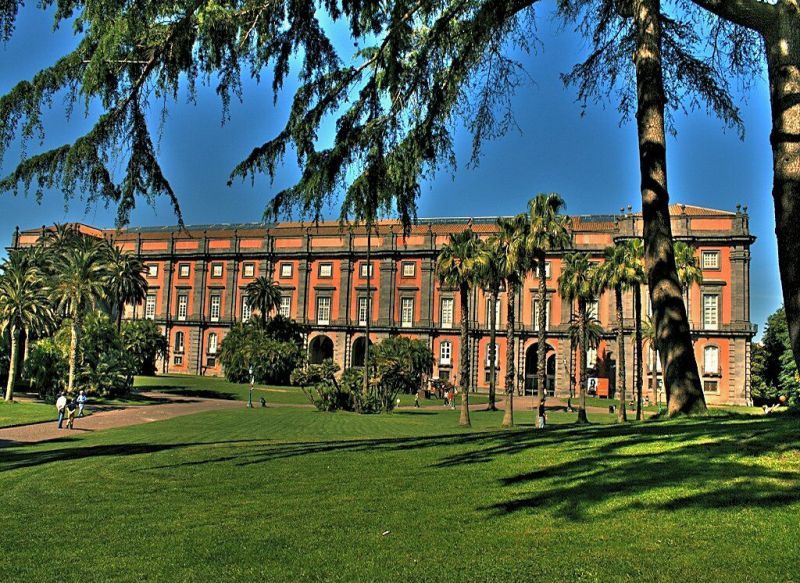
Bruegel's Blind Men — Museo e Real Bosco di Capodimonte
← Back
Art, Theaters and Museums 📍 Museo e Real Bosco di Capodimonte, Italy 173 views

Bruegel's Blind Men

There’è a picture that inevitably comes to mind when citing the Gospel parable of the blind man leading another blind man reported by Luke (VI,39) and Mark (XV,14): the work by Pieter Bruegel, preserved at the National Gallery of Capodimonte. The figures of five men,...

Photo · Paula J.

Bruegel's Blind Men — Museo e Real Bosco di Capodimonte, Italy.

Location
Museo e Real Bosco di Capodimonte
Type
Art, Theaters and Museums
Opening hours
Weather now
↗ Directions

About Bruegel's Blind Men

Bruegel's Blind Men - Museo e Real Bosco di Capodimonte | Secret World Trip Planner

There’è a picture that inevitably comes to mind when citing the Gospel parable of the blind man leading another blind man reported by Luke (VI,39) and Mark (XV,14): the work by Pieter Bruegel, preserved at the National Gallery of Capodimonte.
Bruegel's Blind Men - Museo e Real Bosco di Capodimonte | Secret World Trip Planner

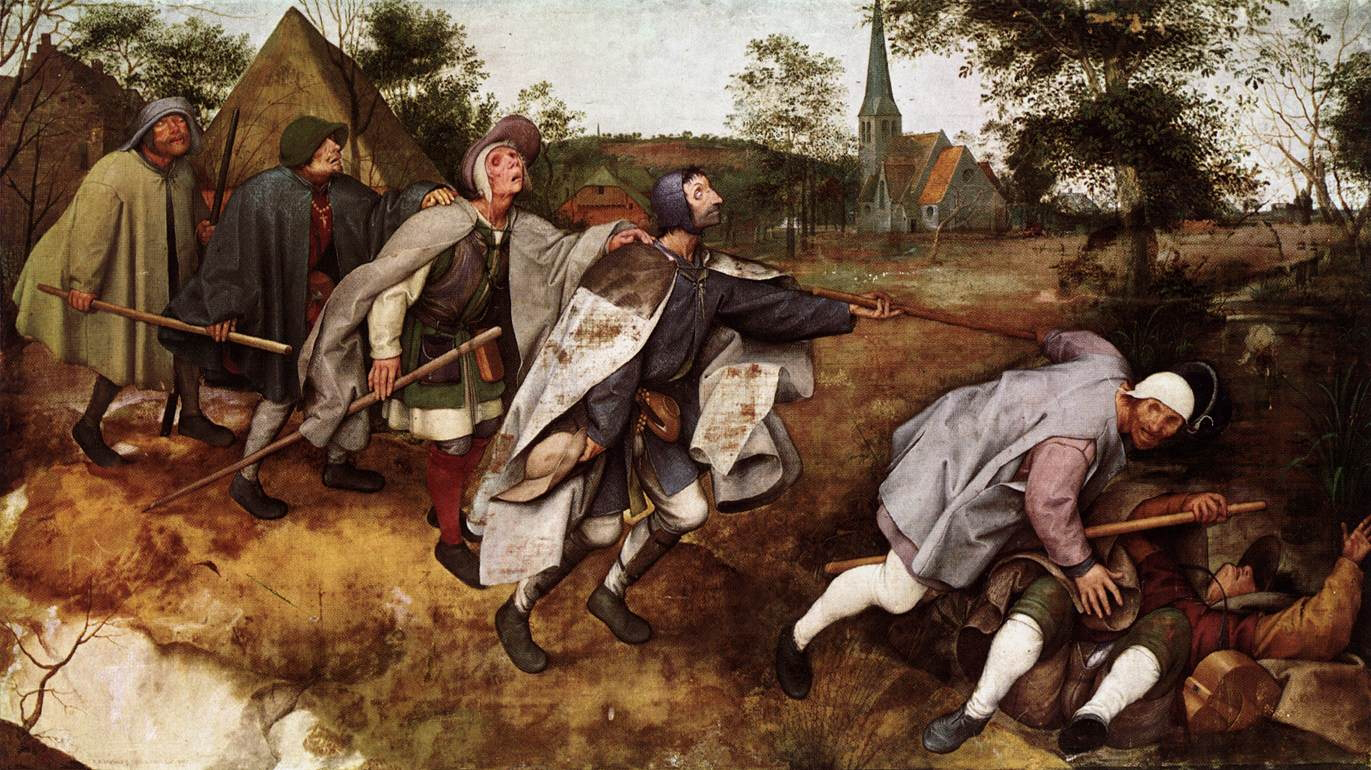
The figures of five men, walking in single file, each leaning on the one before him, cross from right to left the long rectangular canvas (86 x 154 cm) of “The Parable of the Blind” and dominate its composition.

A sixth man, the one who was at the head of the row, depicted on the far left, can only be glimpsed later: è he has fallen into a ditch and lies there with his hands stretched upward.

The one following him, who gives the viewer an unforgettable look made of orbs that have lost their eyes, is about to meet the same end. He holds a stick with which he guides the third of that row, with his gaze lost in nothingness, who by clinging to him, will inevitably follow him in his fall. The other three, also obviously blind, will also follow the same fate; è only a matter of a few steps and a few moments.

And this is one of the last pictures Bruegel painted (he completed it in 1568, a year before his death, which occurred when the artist was in medio aetatis flore) and è a splendid example of his attained maturity.

The attention to detail that had been of the young Bruegel, and that è of all Flemish painting before him, è is still evident, and his ability to render the grotesque of the human figure, which even in the sensibility of the general public associates him with Bosch, remains intact, but they are, the former as well as the latter, tempered by a different sensibility


✦ Secret World · suggested day

A perfect day in Museo e Real Bosco di Capodimonte

Start with Bruegel's Blind Men, then continue with nearby places selected by Secret World.

  1. 01
    Morning
    Bruegel's Blind Men
    📍 Museo e Real Bosco di Capodimonte
    Start here
  2. 02
    Afternoon
    📍 0.1 km away
  3. 03
    Evening
    📍 0.2 km away

Collect this place

Turn places you discover into stamps in your Secret Passport.

Open Secret Passport →

Keep exploring · Museo e Real Bosco di Capodimonte

Frequently Asked Questions

Bruegel's 'The Parable of the Blind' is preserved at the National Gallery of Capodimonte in Naples, Italy. This is the definitive location to view this masterwork, one of Bruegel's final and most mature paintings completed in 1568.
The painting measures 86 by 154 centimeters and features a long rectangular canvas with six blind men in single file, each leaning on the one before him as they walk from right to left. The lead figure has already fallen into a ditch on the far left, foreshadowing the inevitable fate of those following behind.
The painting depicts the Gospel parable of the blind man leading another blind man, as reported in Luke (VI,39) and Mark (XV,14). Bruegel's interpretation shows the tragic consequence of this parable through his visual narrative of sequential blindness leading to inevitable downfall.
Completed in 1568, just a year before his death, this painting exemplifies Bruegel's artistic maturity and mastery of the grotesque human figure. While maintaining the meticulous attention to detail characteristic of Flemish painting, the work is tempered by a more sophisticated sensibility that sets it apart from his earlier work.
Though the public often associates Bruegel with Hieronymus Bosch due to his ability to render the grotesque, 'The Parable of the Blind' demonstrates Bruegel's mature evolution beyond this comparison. The painting maintains Flemish attention to detail while displaying a refined sensibility that reflects his personal artistic growth and development.

Experiences nearby · Museo e Real Bosco di Capodimonte

Powered by Viator

See more on Viator.com