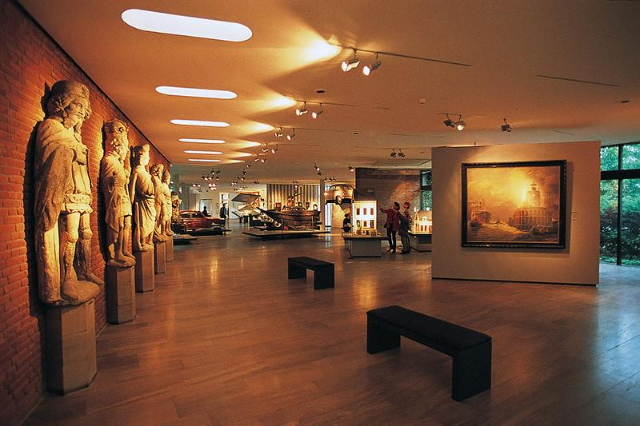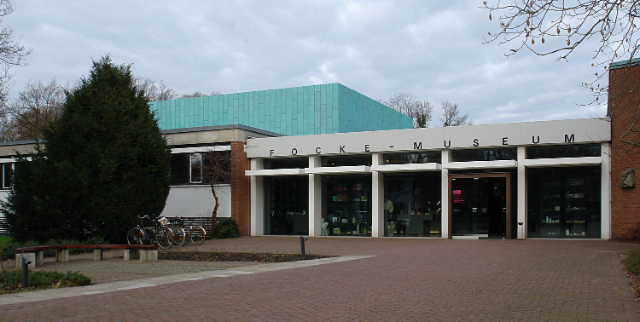

The museum is officially known as the "Bremer Landesmuseum für Kunst und Kulturgeschichte" and commonly known as the Focke-Museum, in honor of the museum's founder, art collector and historian Wilhelm Focke.The Bremer Landesmuseum is located in a historic building in the Schwachhausen district, which was built in the late 19th century in the Neo-Romanesque style. The building originally housed the Natural History Museum and was later renovated to become the Bremen Museum in 1930.In addition to the famous "Bremen Mummy," the museum also has one of the largest collections of prehistoric fossils in Germany and an extensive collection of ancient artifacts from the Egyptian civilization.The museum also houses a section devoted to the history and culture of the indigenous Sámi people, who live in the northern regions of Scandinavia and Russia. This collection is the largest and most comprehensive in Germany and includes artifacts and artifacts from the Sámi culture, such as traditional clothing, musical instruments, sculptures, and art objects.Other interesting collections in the museum include artifacts from Chinese culture, including ceramics, bronzes, and ancient coins.The Bremer Landesmuseum also organizes events and educational activities for families and school groups, such as guided tours, creative workshops and interactive activities.In summary, the Bremer Landesmuseum is a major cultural attraction in Bremen, offering visitors the chance to discover the history, art, and culture of the city and the northwest German region. With its vast collection of artifacts, objects, and exhibits on display, the museum is an ideal destination for fans of history, art, and culture, as well as for families who want to spend an interesting and informative day.