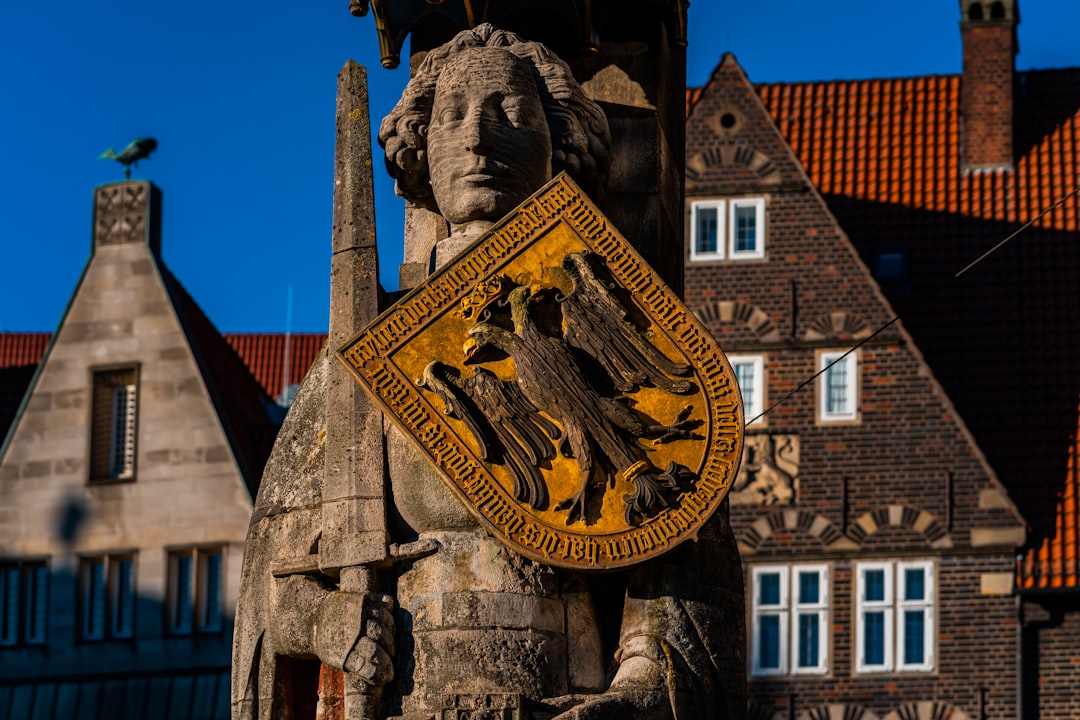

In the heart of the city of Bremen, Germany, the Statue of Roland stands majestically, a symbol of freedom and justice that embodies the historical legacy of this fascinating Hanseatic city. Located in one of the most emblematic squares, the statue represents not only a work of art but also an important cultural and historical landmark. Its presence attracts visitors from all over the world, eager to discover the profound meaning of this monument and the story it tells.
The Statue of Roland was erected in 1404 and, according to tradition, represents the Carolingian paladin who defended the city's freedom. The figure of Roland, with his sword raised, is not only a reminder of the past but also a symbol of the resistance and autonomy of the city of Bremen, which over the centuries has managed to maintain its identity and free spirit.
History and Origins
The Statue of Roland was commissioned as a sign of pride and independence by the inhabitants of Bremen, testifying to their will for self-determination. In the context of European history, the figure of Roland takes on a particular significance, connecting to legends and medieval tales that celebrate valor and loyalty. The statue is made of sandstone and rises over 5 meters, holding a sword that symbolizes justice and the protection of the city.
The statue was recognized as a UNESCO World Heritage Site in 2004, along with the Bremen Town Hall, highlighting the historical and cultural importance of this monument. Its strategic position in the market square makes it a landmark not only for locals but also for tourists visiting the city. The statue represents a tangible link to the past and the traditions that have forged Bremen's identity.
Elements to Observe
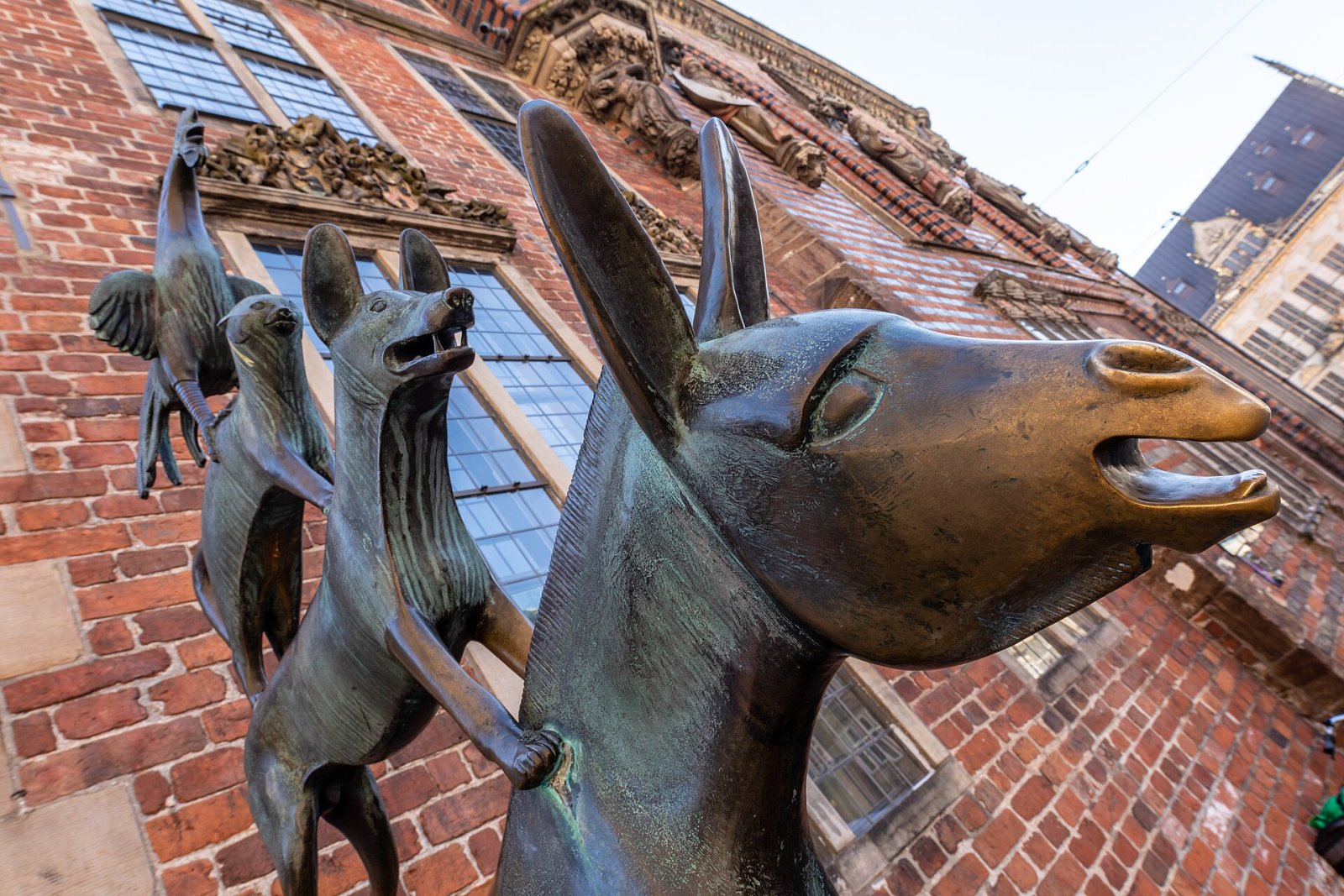
Observing the Statue of Roland, one cannot help but notice the details sculpted with great mastery. The figure of Roland is adorned with richly decorated armor, while his face expresses strong determination. Next to the statue is also the famous Bremen fountain, another attraction worth attention. The contrast between the statue and the surrounding architecture creates a unique atmosphere, making the square an ideal place for walks and photographs.
Another element of great interest is the proximity of the statue to the Bremen Town Hall, a masterpiece of Gothic architecture. Together, these two monuments tell the story of the city and its evolution over time. Visitors can explore both places, immersing themselves in the history and culture of Bremen, which is reflected in its architectural works and symbols.
Why It Is Interesting Today
Today, the Statue of Roland is not only a historical monument but also a symbol of unity and freedom. In an era when the values of justice and autonomy are being tested, the figure of Roland continues to inspire current generations. Its presence in the market square serves as a reminder of the importance of protecting fundamental rights and freedoms, not only in Bremen but around the world.
Moreover, the statue has become a meeting point for cultural events and celebrations, helping to keep the tradition and identity of the city alive. Its importance transcends time, making it a place for reflection and celebration of local history and culture.
Practical Information for Visitors
For those wishing to visit the Statue of Roland, it is easily reachable on foot from the center of Bremen. The square is well connected by public transport and offers numerous restaurants and cafes nearby, where visitors can enjoy local specialties. It is advisable to plan a visit during the day when natural light highlights the details of the statue and the surrounding architecture.
Additionally, for those who wish to delve deeper into the history of the statue and the city, guided tours are available that offer detailed information and interesting anecdotes. Don't forget to download the Secret World app to discover more curiosities and information about places to visit in Bremen.