Annaba, a jewel of Algeria, captivates with its stunning architecture, rich history, and vibrant culture. Nestled on the northeastern coast, this city has been a focal point of civilization for over three millennia. Its origins trace back to the Phoenicians, who recognized the strategic advantages of Annaba’s excellent natural port, fresh water sources, and fertile farmland around 3000 BC. The ancient city of Hippo Regius, which flourished under Roman rule, stands as a testament to its historical significance. Notably, it was the home of Saint Augustine, whose teachings shaped early Christian thought. The remnants of the Roman civilization can still be appreciated at the archaeological site, where the ruins lie gracefully beneath the modern Basilica of Saint Augustine. This basilica, with its striking neo-Byzantine architecture, invites visitors to reflect on the profound history of this remarkable city.
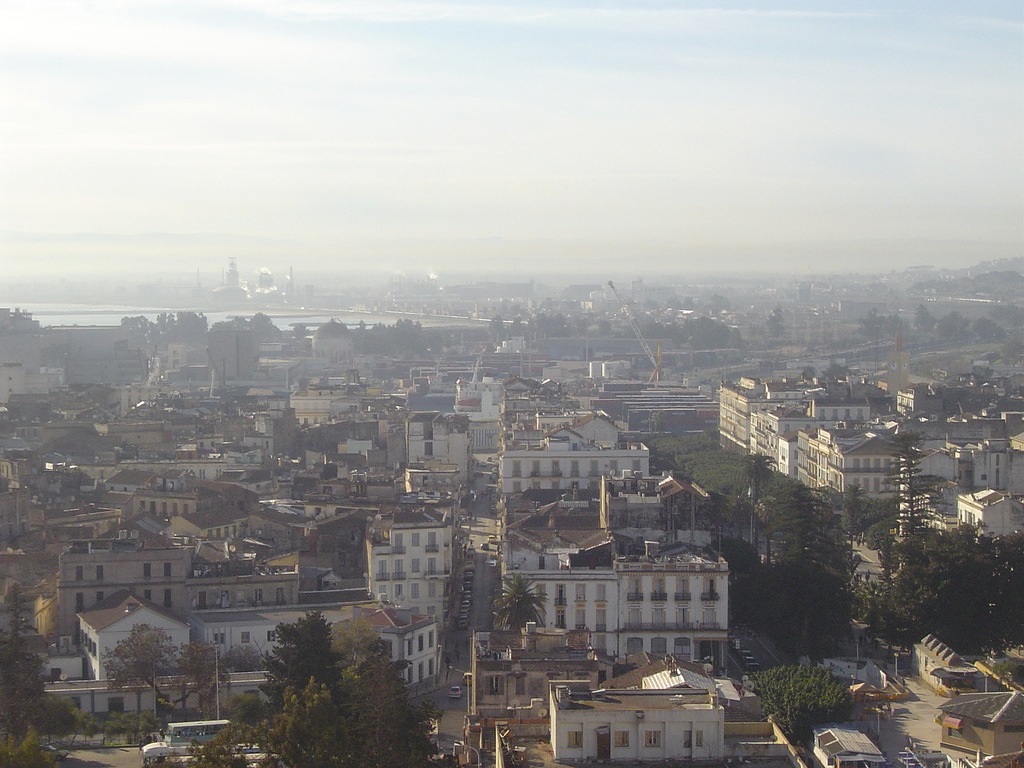
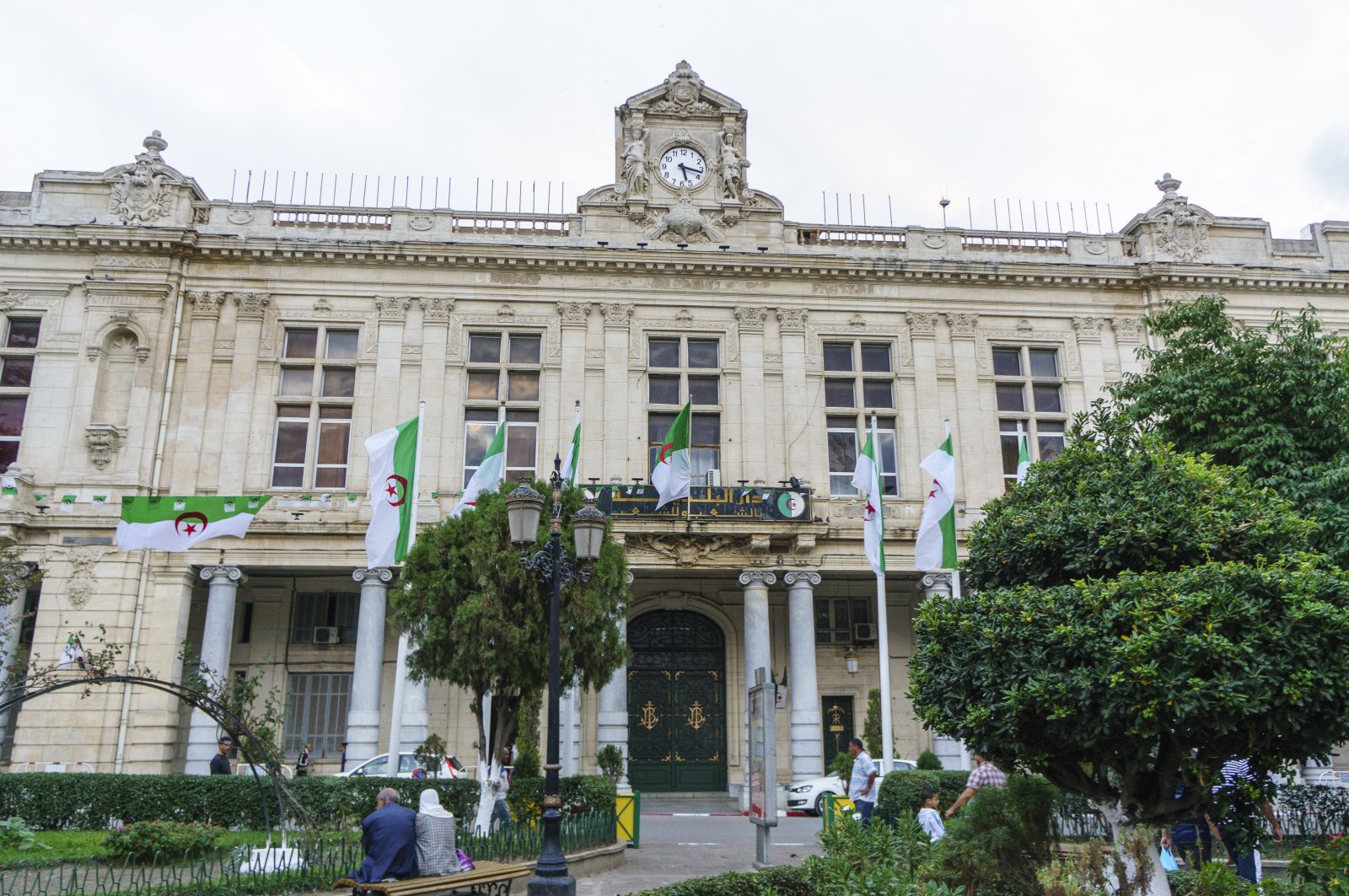
Beyond its historical context, Annaba showcases an eclectic mix of French colonial architecture and vibrant local culture. The town center is adorned with elegant buildings, characterized by intricate ironwork, expansive balconies, and grand facades that whisper stories of a bygone era. As you stroll through the avenues, be sure to admire the Place d'Armes, a central square lined with palm trees and bustling cafes, perfect for people-watching and indulging in the local ambiance.
Annaba's culture is a rich tapestry woven from its various influences. Traditional customs remain deeply rooted in the community, where family and hospitality are held in high regard. Festivals play a significant role in local life, with the Festival of the Mediterranean celebrating music, dance, and culinary delights, attracting visitors from around the region. This annual event, typically held in July, showcases the artistic prowess of local and international performers, underscoring Annaba’s role as a cultural hub in Algeria.
When it comes to gastronomy, Annaba does not disappoint. The city’s coastal location ensures a bounty of fresh seafood, and dishes like couscous with fish, mhadjeb (a type of stuffed flatbread), and brik (crispy pastries filled with egg and tuna) are local favorites. These dishes are often complemented by mint tea, a cherished beverage that symbolizes hospitality and friendship. Don’t miss the chance to visit the bustling markets, where spices fill the air with enticing aromas, inviting you to explore the culinary delights of the region.
As you delve deeper into Annaba, you may stumble upon lesser-known curiosities that enhance its charm. For instance, the Cascades of El-Madher nearby offer a stunning natural escape, hidden from the typical tourist path, where locals often go to unwind and enjoy picnics. Additionally, Annaba is known for its rich olive oil production, with some of the best oils originating from the surrounding hills. The annual olive oil festival in the fall is a delightful occasion to sample various local oils and learn about their production.
The best time to visit Annaba is during the spring (March to May) and fall (September to November), when the weather is pleasant and the city comes alive with festivals and local activities. To make the most of your trip, consider exploring the coastal beaches such as El Kala and Rizzi Amor, where crystal-clear waters invite relaxation and sunbathing.
As you plan your journey, remember to engage with the locals; their warmth and stories add depth to your experience. Whether you are wandering through ancient ruins, indulging in local dishes, or enjoying the vibrant festivals, Annaba promises an unforgettable adventure.
For a tailored experience exploring the beauty and culture of Annaba, consider using the Secret World app to create your personalized itinerary.