






Perched majestically on the cliffs of Bologhine in Algiers, Notre Dame d'Afrique (Our Lady of Africa) is more than just a basilica; it's a testament to the rich tapestry of Algerian history and the enduring interplay between cultures. The basilica's striking silhouette against the azure Mediterranean Sea is a sight to behold, drawing both the devout and the curious to its hallowed grounds.
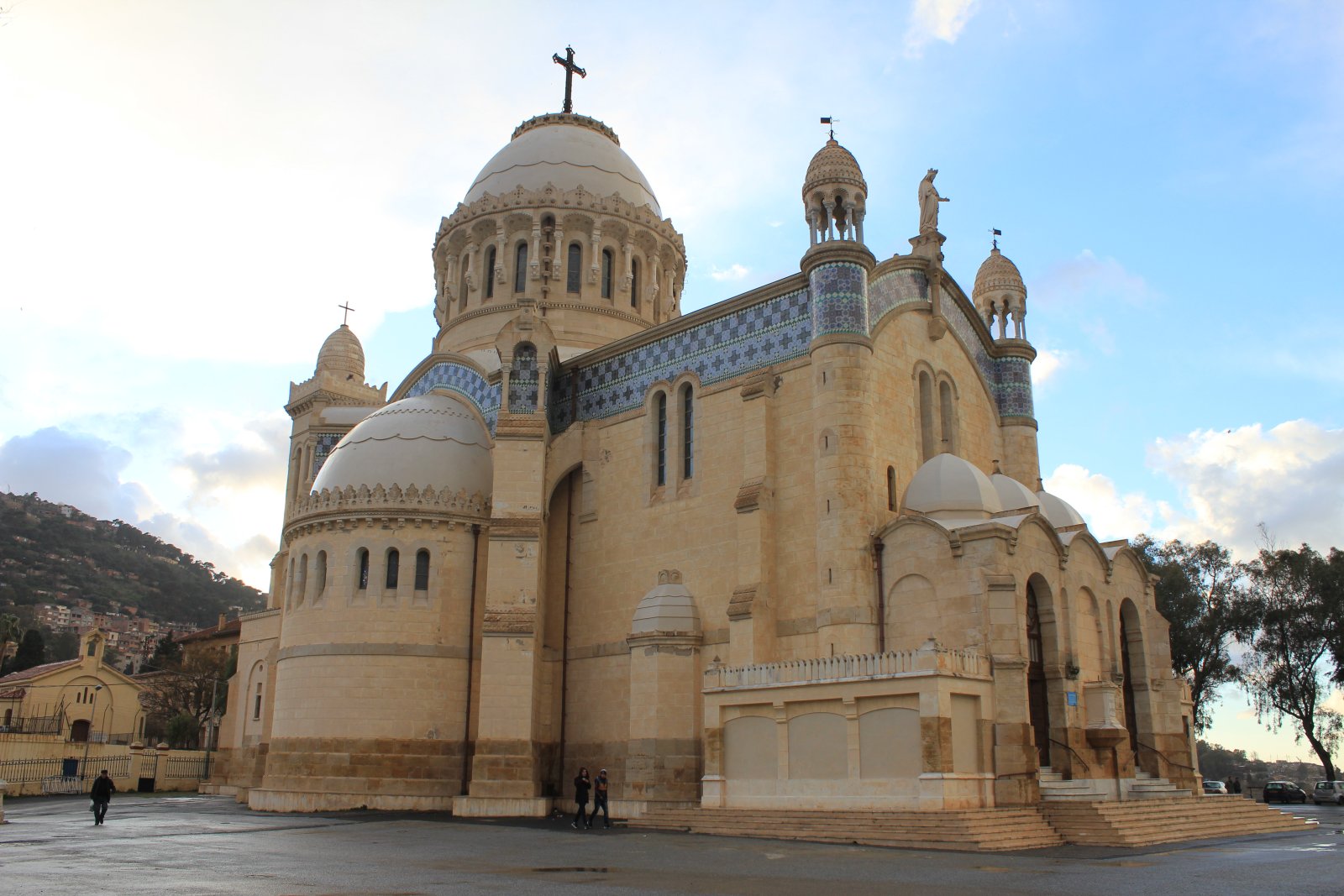
The origins of Notre Dame d'Afrique trace back to the mid-19th century, in a period when Algeria was a French colony. The basilica was conceived as a symbol of peace and reconciliation, a bridge between different faiths and traditions. The cornerstone was laid in 1858 under the patronage of the Archbishop of Algiers, Charles Lavigerie, a key figure in the Catholic Church in North Africa. Completed in 1872, the basilica was designed by Jean Eugène Fromageau, the chief architect for ecclesiastical buildings in French Algeria, who chose the Neo-Byzantine style to reflect a blend of European and North African influences.
The architectural style of Notre Dame d'Afrique is a harmonious fusion of Byzantine and Moorish elements, characterized by its grand dome, intricate mosaics, and ornate, arched windows. The basilica's interior is adorned with beautiful murals and mosaics depicting biblical scenes and figures, crafted by artisans who meticulously integrated local artistic traditions with Christian iconography. One of the most notable features is the statue of the Virgin Mary, which stands serenely above the altar, offering a sense of calm and sanctuary. Intriguingly, the basilica carries an inscription in French: "Notre Dame d'Afrique priez pour nous et pour les Musulmans" ("Our Lady of Africa, pray for us and for the Muslims"), symbolizing a call for unity and mutual respect among communities.
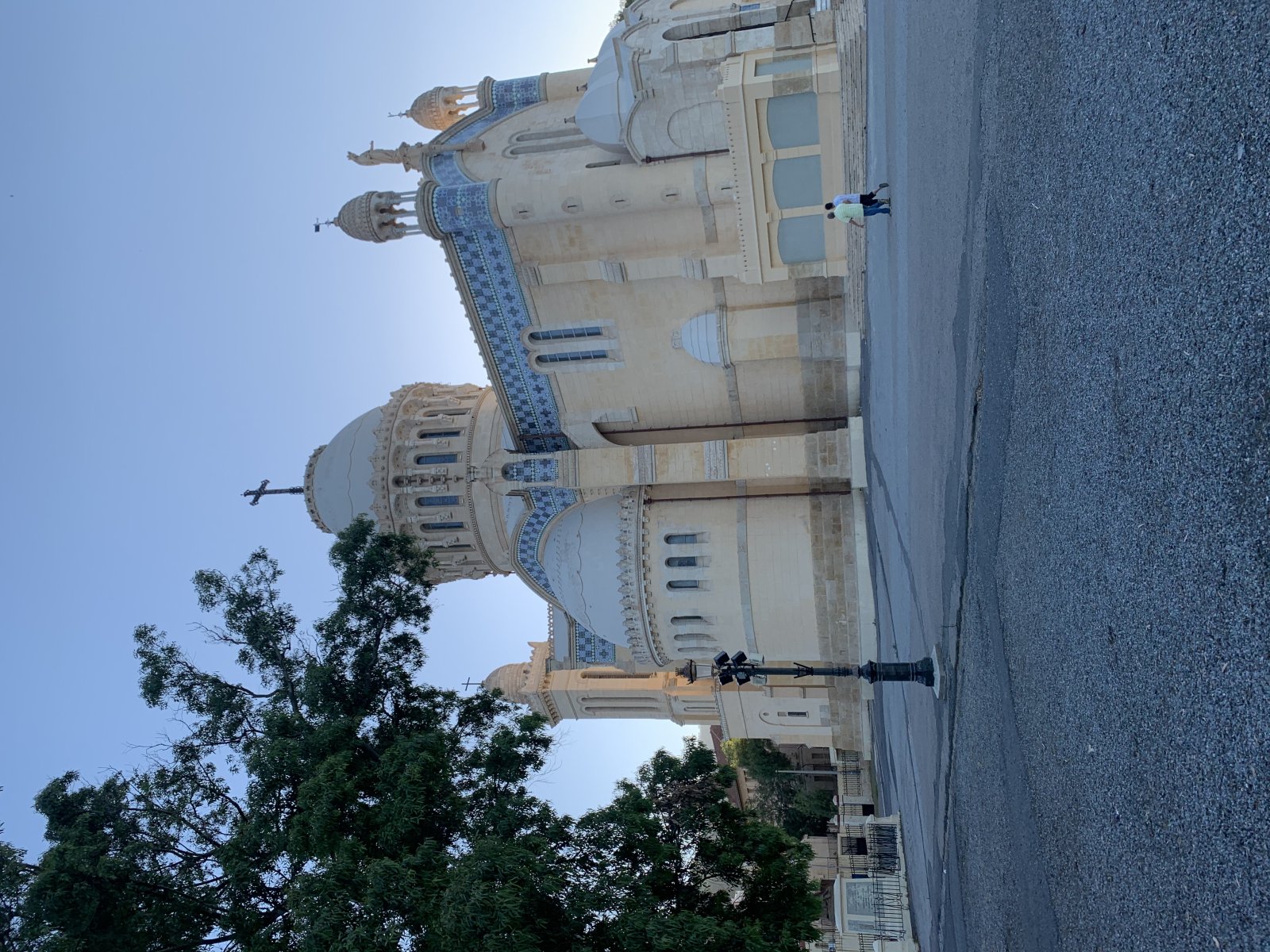
In the cultural tapestry of Algiers, Notre Dame d'Afrique holds a significant place. The basilica is a focal point during religious festivals such as the Feast of the Assumption, attracting pilgrims from diverse backgrounds. These gatherings are not only religious observances but also vibrant cultural events where traditional Algerian music and dance create a lively atmosphere. The local community, predominantly Muslim, shares a profound respect for the basilica, viewing it as a cherished part of their cultural heritage.
The culinary landscape of Algiers, particularly in Bologhine, is a reflection of its rich history. Visitors to Notre Dame d'Afrique can indulge in traditional Algerian dishes that are a feast for the senses. Couscous, often considered the national dish, is a must-try, served with a medley of vegetables and tender lamb or chicken. Brik, a delicate pastry filled with egg and tuna, offers a delightful snack. For a sweet conclusion, makroud, a date-filled semolina pastry, provides a taste of the region's culinary artistry.
Beyond its architectural splendor, Notre Dame d'Afrique is home to numerous lesser-known curiosities. Few visitors realize that the basilica's construction materials include stones transported from across the Mediterranean, symbolizing a physical and spiritual connection between Europe and Africa. Hidden in the shadows of the basilica's crypt is a small museum dedicated to the history of the basilica and its significance in Franco-Algerian relations, offering insights often overlooked by the casual tourist.
For those planning a visit, the best time to experience Notre Dame d'Afrique is during the cooler months from October to April, when the weather is pleasant and the crowds are thinner. Arrive early in the day to enjoy the tranquility of the basilica and the breathtaking views of the bay from its terrace. Don't miss the opportunity to climb to the dome's observation deck for a panoramic vista of Algiers. Respectful attire is recommended, as this remains a place of worship and reflection.
In essence, Notre Dame d'Afrique is a beacon of cultural fusion and spiritual reflection. Its soaring arches and serene ambiance offer a profound experience, inviting visitors to explore not just the physical structure but the rich history and stories that have shaped this remarkable site. Whether you're a history enthusiast, an architecture aficionado, or a seeker of cultural understanding, Notre Dame d'Afrique promises a journey that lingers long after you descend from its storied heights.