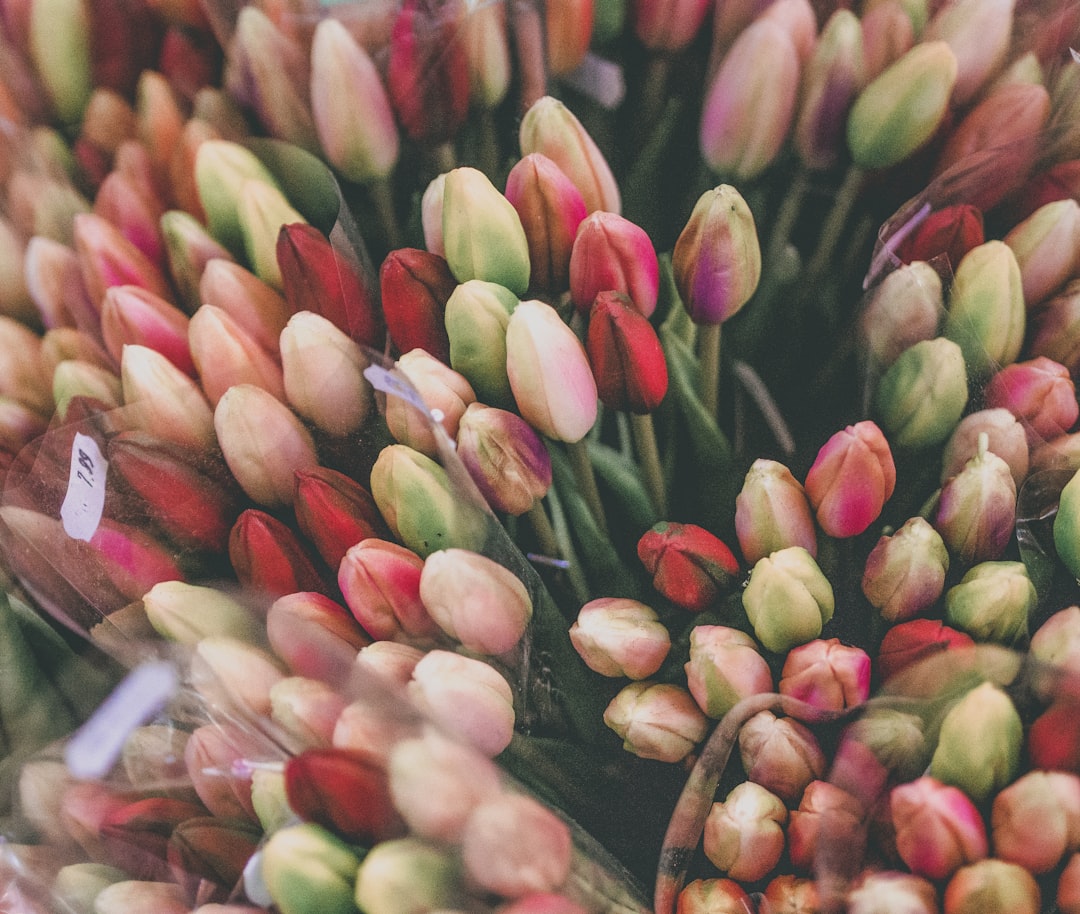

The smell arrives before the sight. Approaching the Bloemenmarkt along the Singel canal, a combination of damp earth, fresh petals, and freshly dug bulbs fills the air with an almost botanical precision. Here, on a row of barges securely moored to the water, lies the only floating flower market in the world — not a recent tourist gimmick, but an institution that has existed since 1862, when flower growers arrived directly from the fields with their boats loaded with fresh flowers.
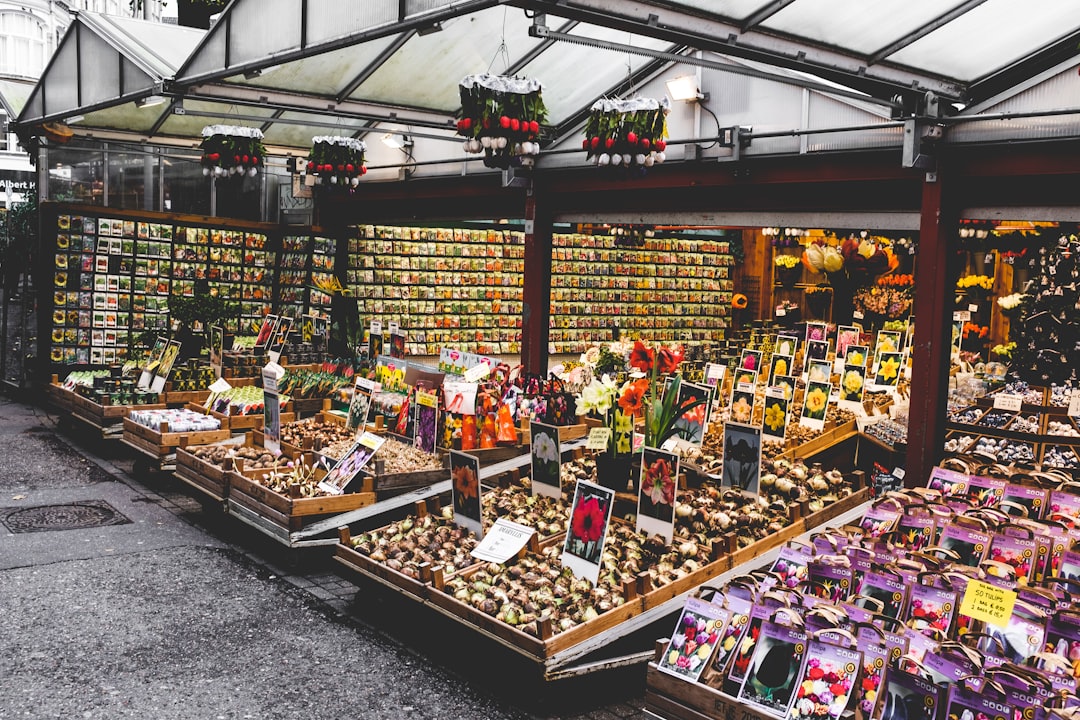
Today the barges no longer navigate, but remain anchored between Muntplein and Koningsplein, forming a fragrant and colorful strip that stretches for about 150 meters along the southern bank of the Singel. The stalls follow one after another, overflowing with packaged tulip bulbs, poppy seeds, hyacinths, daffodils, and ready-made floral arrangements. Each shop is technically built on top of a hull: walking inside them means literally being on the water, even though the floor does not sway.
A story over 160 years long
The market was born for practical reasons before aesthetic ones: the canals of Amsterdam were the commercial arteries of the city, and the flower growers from the floricultural regions around Haarlem and Aalsmeer found it more convenient to dock directly on the Singel to sell their goods. Over time, the boats transformed into fixed structures, but the floating identity remained — and with it the charm of a trade that has survived wars, economic crises, and urban transformations.
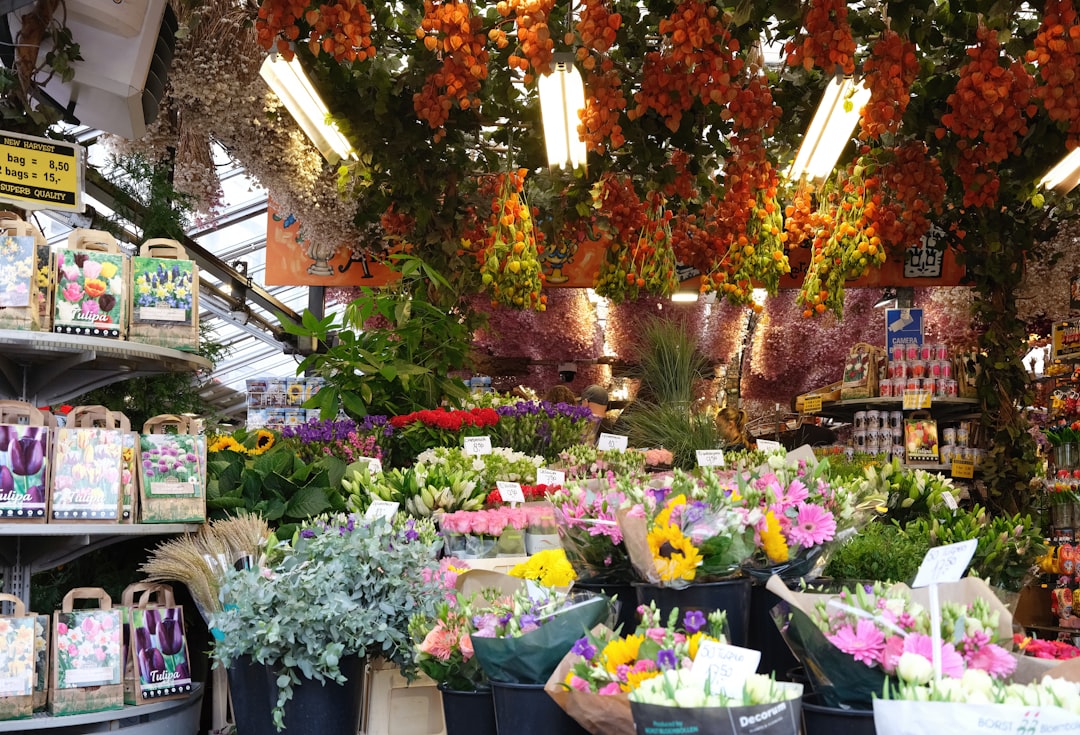
Today, the Bloemenmarkt has about 15 permanent stalls and shops, run by merchants who often belong to families with decades of presence in the market. Alongside the classic Dutch tulips — available in over a hundred varieties — there are agapanthus bulbs, dahlias, begonias, and even exotic succulents. Many shops also sell floral-themed souvenirs, painted wooden clogs, and Delft ceramics, making the market a convergence point between agricultural tradition and tourist commerce.
The tulips: varieties, colors, and what to buy
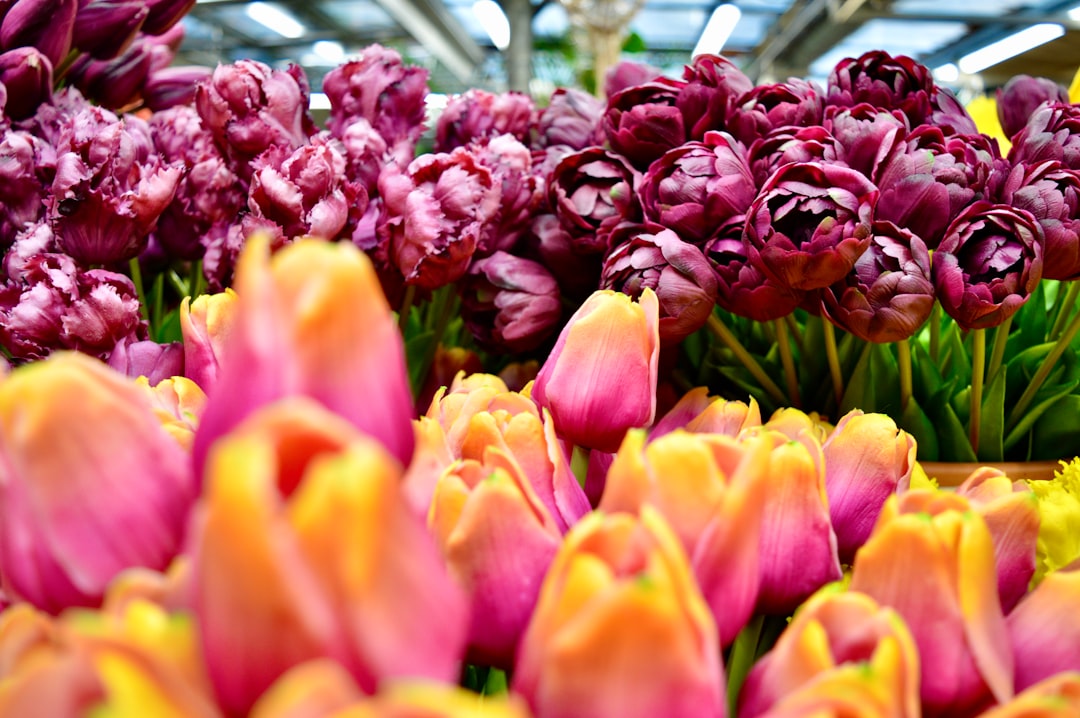
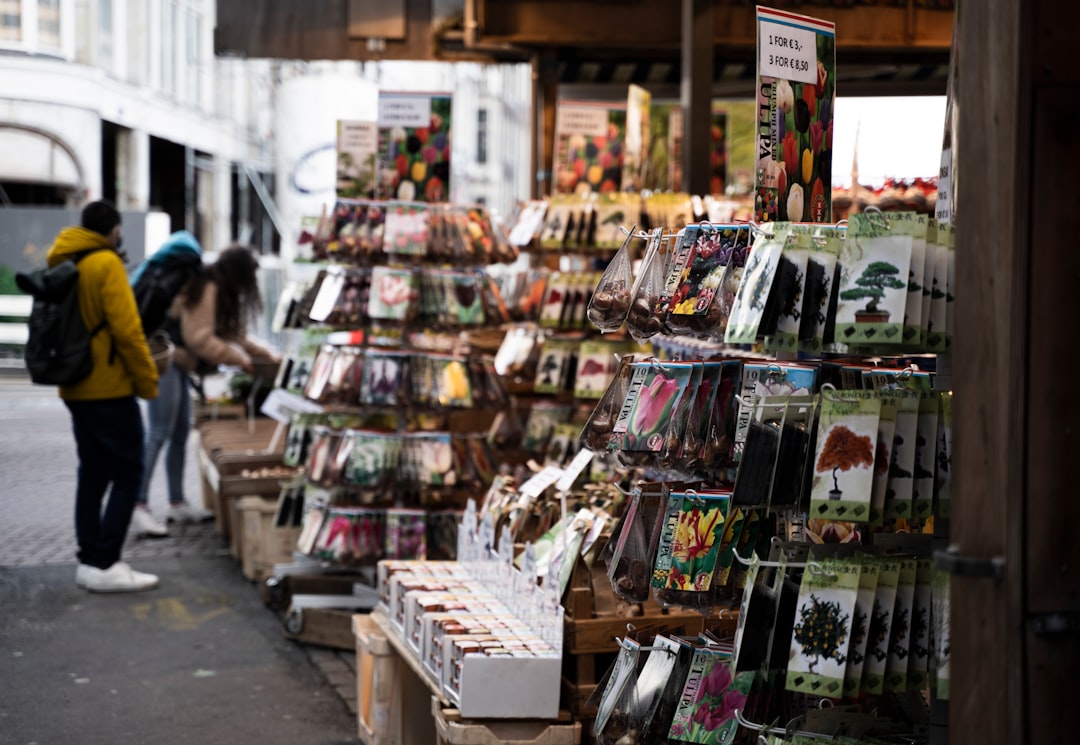
The tulip is obviously the undisputed star. The bulbs sold at the Bloemenmarkt are packaged in certified bags for export to European Union countries and, in many cases, also to non-European destinations such as the United States — but it is essential to check the customs regulations of your country before purchasing. The bags generally contain 10 bulbs and cost between 3 and 10 euros depending on the variety: parrot tulips and fringed tulips, with frayed and wavy petals, tend to be more expensive than classic cup-shaped ones.
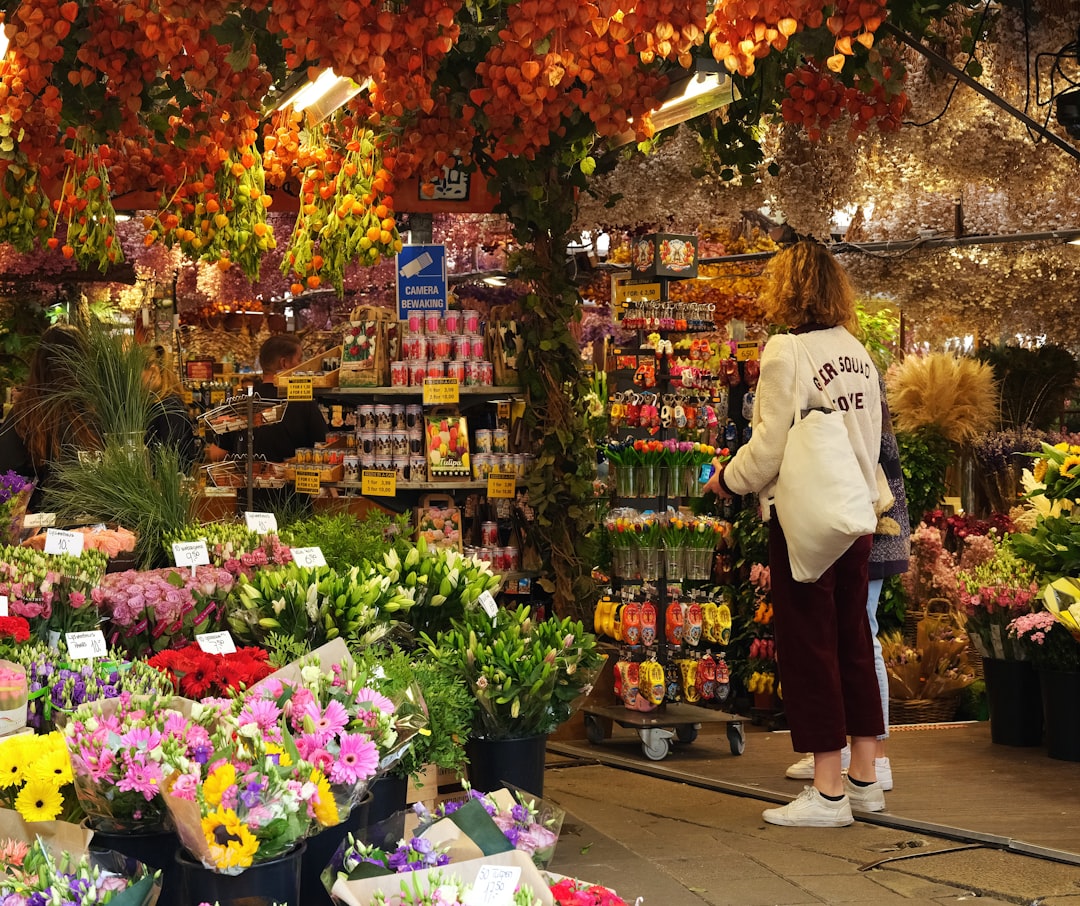
Those who do not want to take bulbs home can purchase arrangements of fresh flowers already prepared, or seeds of less common species. It is worth taking a moment to observe the illustrated labels attached to the bags: many show the expected bloom with detailed photographs, and comparing the raw bulb — often anonymous and earthy — with the flower it will become is one of the most surprising visual exercises of the market.
How to visit the Bloemenmarkt the right way
The market is open every day, generally from 9:00 AM to 5:30 PM, with reduced hours on Sundays. Entrance is free: you can stroll freely among the stalls without any obligation to purchase. The best time to visit is early in the morning on weekdays, when tourist groups have not yet invaded the Muntplein and the vendors are more willing to answer questions about the varieties.
To get there, the nearest tram stop is Koningsplein, served by lines 1, 2, and 5 — a point easily reachable from the historic center in just a few minutes. Those arriving by bicycle will find bike racks on the side streets, but it is best to avoid leaning bikes against the railings of the houseboats: the space on the edge of the canal is narrow and pedestrian traffic during peak hours can be intense. Spending between 30 and 45 minutes on the visit is sufficient to walk through the entire market at a leisurely pace and make thoughtful purchases.
The context: the Singel and the surrounding neighborhood
The Bloemenmarkt is located on one of the oldest canals in Amsterdam: the Singel was originally the medieval moat of the city, dug in the 14th century as the first line of defense. Today it is lined with narrow and tilted houses typical of 17th-century Dutch merchant architecture, with facades reflecting in the dark water of the canal. After the market, Koningsplein opens into a small square where one of the city's most famous bookstores, Athenaeum Boekhandel, has been active since 1966 — a curious contrast between flowers and words, both part of the daily fabric of Amsterdam.
Walking along the Singel after the market, towards Brouwersgracht or Begijnhof, allows one to understand how the Bloemenmarkt is not an isolated attraction but a node in a network of places that have maintained their original function while adapting over the centuries. The flowers change with the seasons, prices fluctuate, but the smell remains — concrete, vegetal, unmistakable.