
Florence has a problem that tourists always discover too late: the line at the Uffizi can exceed three hours, the Vasari Corridor requires booking weeks in advance, and the distance between Piazzale Michelangelo and the historic center is about 2 km uphill, not exactly a walk after a whole day among museums and churches. Those who arrive without a structured plan risk missing half of the most beautiful things in the city, or spending the trip waiting in line instead of experiencing it.
This is where the AI trip planner comes into play: in 2026, travel planning no longer means opening ten browser tabs, comparing contradictory blogs, and hoping not to forget anything. It means delegating the logistical part to an intelligent system that knows Florence (and over a million other destinations in the world) better than any paper guide. Tools like Secret World are redefining the way travelers prepare their itineraries, with concrete and measurable results.
How AI Builds a Customized Itinerary for Florence
An AI trip planner does not simply list the most famous attractions in alphabetical order. It analyzes real variables: how much time you have available, what your specific interests are (Renaissance art, Tuscan cuisine, medieval architecture), your daily budget, and even the opening hours of individual museums. In Florence, for example, the Bargello Museum opens at 8:15 and is often much less crowded than the Uffizi in the early morning hours: an AI system knows this and can create a route that takes advantage of this time window.
Secret World does exactly this. Through its AI-based itinerary engine, it generates daily travel plans that take into account the geography of the city, walking times, and actual entrance prices. A ticket for the Uffizi costs about 20 euros, while the one for Palazzo Pitti is 16 euros: AI can help you understand which combinations of museums offer the best quality-time ratio based on your interests, avoiding the cultural overload syndrome that affects almost all visitors to Florence.
KnowWhere: when AI truly knows the places
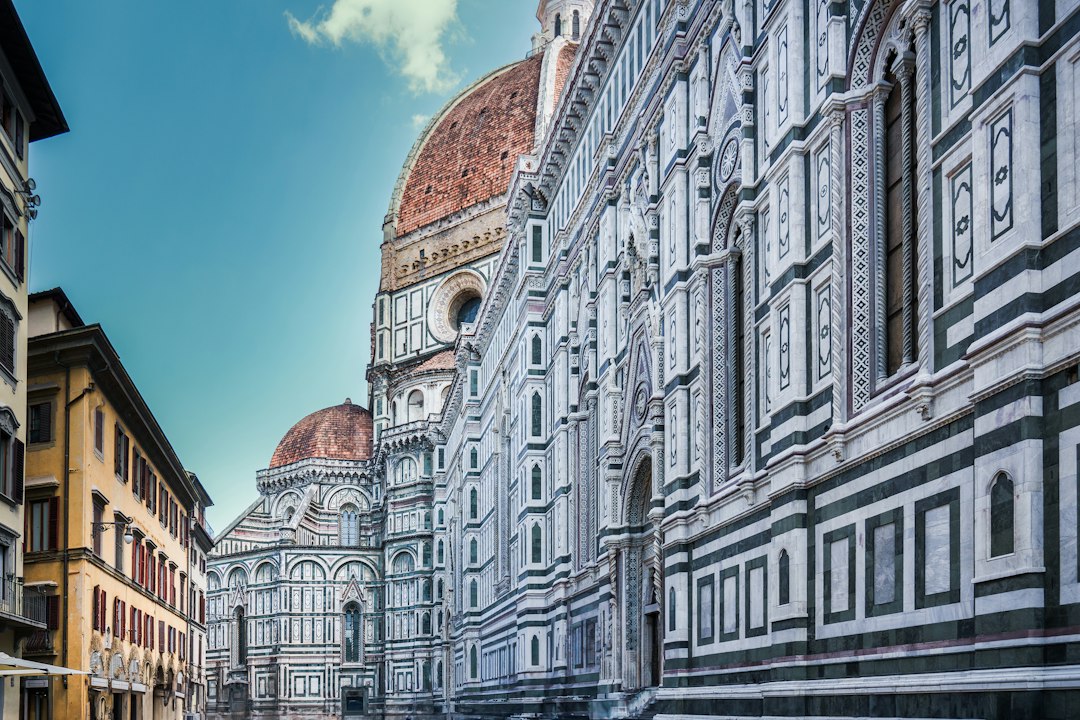
One of the most interesting features of Secret World is called KnowWhere, a system that does not just provide you with GPS coordinates, but tells you the context of what you are about to see. When you are in front of the Gates of Paradise of the Baptistery of San Giovanni, it is not enough to know that it is in Piazza del Duomo: you want to understand why Ghiberti worked on it for 27 years, what the gilded bronze panels represent, and why Michelangelo gave it that nickname.

This type of contextual information transforms a visit from touristy to cultural. In Florence, where every corner has centuries of history, the difference is enormous. KnowWhere works in real-time as you move through the city, adapting the information to your location and your pace of visit. It is not a static guide: it is a system that responds to where you are and what you are looking at at that precise moment.
The AI audio guide: Florence told while you walk

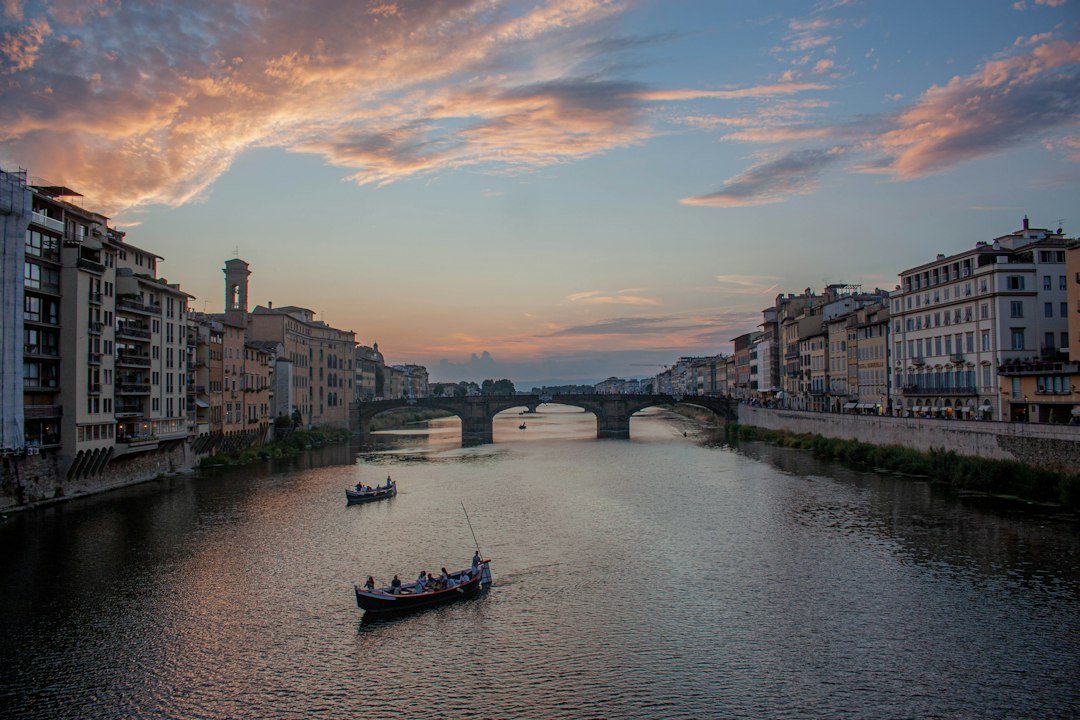
Secret World also integrates AI-generated audio guides, available directly on your smartphone while you explore the city. This means you can walk along the Lungarno Archibusieri, listen to the history of the Vasari Corridor that literally passes over your head, and understand why Cosimo I de' Medici had it built in 1565 without ever having to stop or open a separate app.
The difference compared to traditional audio guides is the personalization: the system already knows what you have visited, understands your interests, and adapts the narrative accordingly. If you have already spent two hours on Renaissance art at the Uffizi, the audio guide for the Santa Croce district might focus more on Gothic architecture and the stories of the figures buried in the basilica, from Michelangelo to Galileo Galilei, rather than repeating concepts already explored.
Over a million destinations: from the AI trip planner to the whole world
Florence is just one example. Secret World covers over a million destinations around the world, which means that the same system that helped you optimize three days between the Uffizi, Oltrarno, and Fiesole can do the same for Tokyo, Marrakech, or Mexico City. The logic is always the same: real data, intelligent personalization, concrete time savings in the planning phase.
In 2026, using an AI trip planner is no longer a choice for tech early adopters: it is simply the most efficient way to travel well. If you are planning a trip to Florence or anywhere else in the world, download Secret World for free and let the artificial intelligence build your perfect itinerary, with all the details that a traditional guide could never offer you.