← Back

White Pass and Yukon railroad

201 2nd Ave, Skagway, AK 99840, USA ★★★★☆ 278 views
Margherita Zoppas
Skagway
🏆 AI Trip Planner 2026

Get the free app

Discover the best of Skagway with Secret World — the AI trip planner with 1M+ destinations. Get personalized itineraries, hidden gems and local tips. Free on iOS & Android.

🧠 AI Itineraries 🎒 Trip Toolkit 🎮 KnowWhere Game 🎧 Audio Guides 📹 Videos
Scan to download iOS / Android
Scan for AppGallery Huawei users

About White Pass and Yukon railroad

White Pass and Yukon railroad - Skagway | Secret World Trip Planner

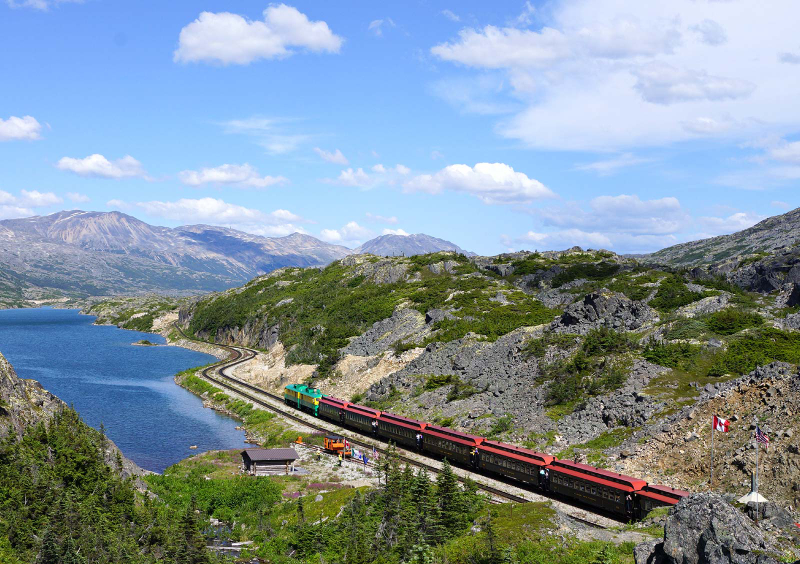
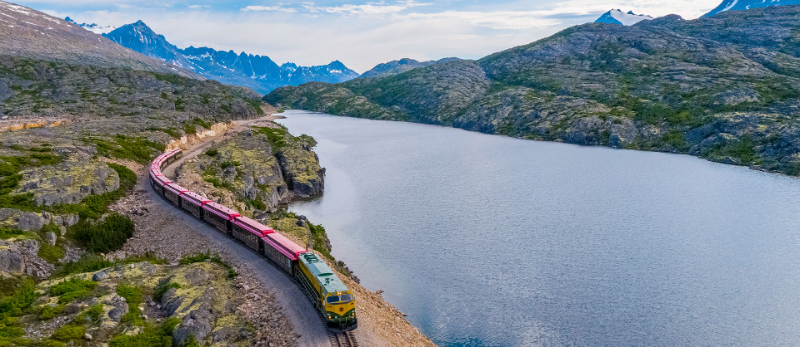
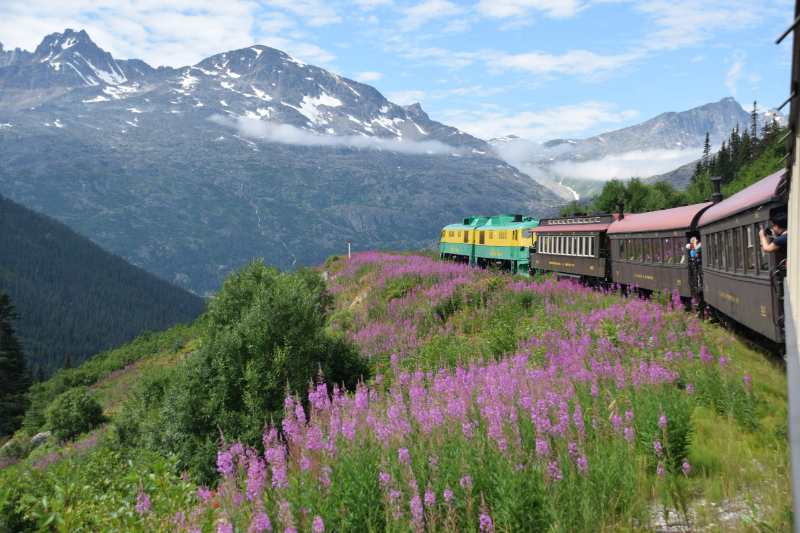
When a trio of prospectors found gold in a tributary of the Klondike River in 1896, they triggered one of the world’s largest gold rushes. To begin with, stampeders had to hike the treacherous Chilkoot Trail to get their treasure. But between 1898 and 1900, a narrow-gauge railway was built through the seemingly impossible terrain to make the journey a lot easier. The White Pass & Yukon Railroad necessitated tunnels, trestles, grades of up to 3.9% and tight cliff-teetering bends; it climbs almost 1,000m in its first 32 kilometres. Now, it carries visitors along the Skagway River, squeezing between waterfalls, thick forest and groaning glaciers, crossing the US/Canada border at White Pass, and descending to Lake Bennett, once the site of a bustling tent city, where pre-train prospectors paused after surviving the Chilkoot Trail.
White Pass and Yukon railroad - Skagway | Secret World Trip Planner

Buy Unique Travel Experiences

Powered by Viator

See more on Viator.com

Frequently Asked Questions

The railroad was built between 1898 and 1900 in response to the Klondike Gold Rush of 1896, providing an easier alternative to the treacherous Chilkoot Trail that prospectors previously had to hike. It was an engineering marvel that required tunnels, trestles, and tight cliff-teetering bends to navigate the seemingly impossible terrain, climbing almost 1,000 meters in just 32 kilometers.
The narrow-gauge railway features impressive engineering including grades of up to 3.9%, multiple tunnels and trestles, and dramatic cliff-side bends as it winds through the landscape. The route climbs nearly 1,000 meters in its first 32 kilometers while navigating between waterfalls, thick forest, groaning glaciers, and eventually crossing the US/Canada border at White Pass.
Passengers travel along the scenic Skagway River, passing between stunning waterfalls, dense forests, and active glaciers before crossing the US/Canada border at White Pass. The train then descends to Lake Bennett, a historically significant location that once served as a bustling tent city where gold rush prospectors rested after completing the grueling Chilkoot Trail.
The railroad begins in Skagway, Alaska and travels through breathtaking terrain while following the historic gold rush route before crossing the international border at White Pass. It concludes at Lake Bennett in Canada, the site of the former tent city that served as a crucial stopping point for prospectors during the Klondike Gold Rush era.
The railroad was constructed between 1898 and 1900 to provide a safer and more accessible route for gold rush stampeders, replacing the dangerous Chilkoot Trail that prospectors had to navigate on foot. It transformed travel through the treacherous mountain terrain into a manageable journey by train, making the route to the Canadian gold fields significantly easier for thousands of fortune seekers.