Nestled in the heart of Catalonia, the enchanting town of Besalú feels like a portal to the past. With its well-preserved medieval architecture and cobblestone streets, it’s easy to see why HBO chose this picturesque location to stand in for a 1940s Italian village in *Westworld* Season 3. As you stroll through its narrow lanes, you can sense the whispers of history that have shaped this fortified gem over the centuries.
History and Origins
The origins of Besalú date back to the 9th century, when it was established as a vital political and cultural center. The town flourished under the Besalú dynasty, a powerful noble family that ruled the region during the early Middle Ages. Notably, in the year 978, the town became the seat of a county, further solidifying its importance.
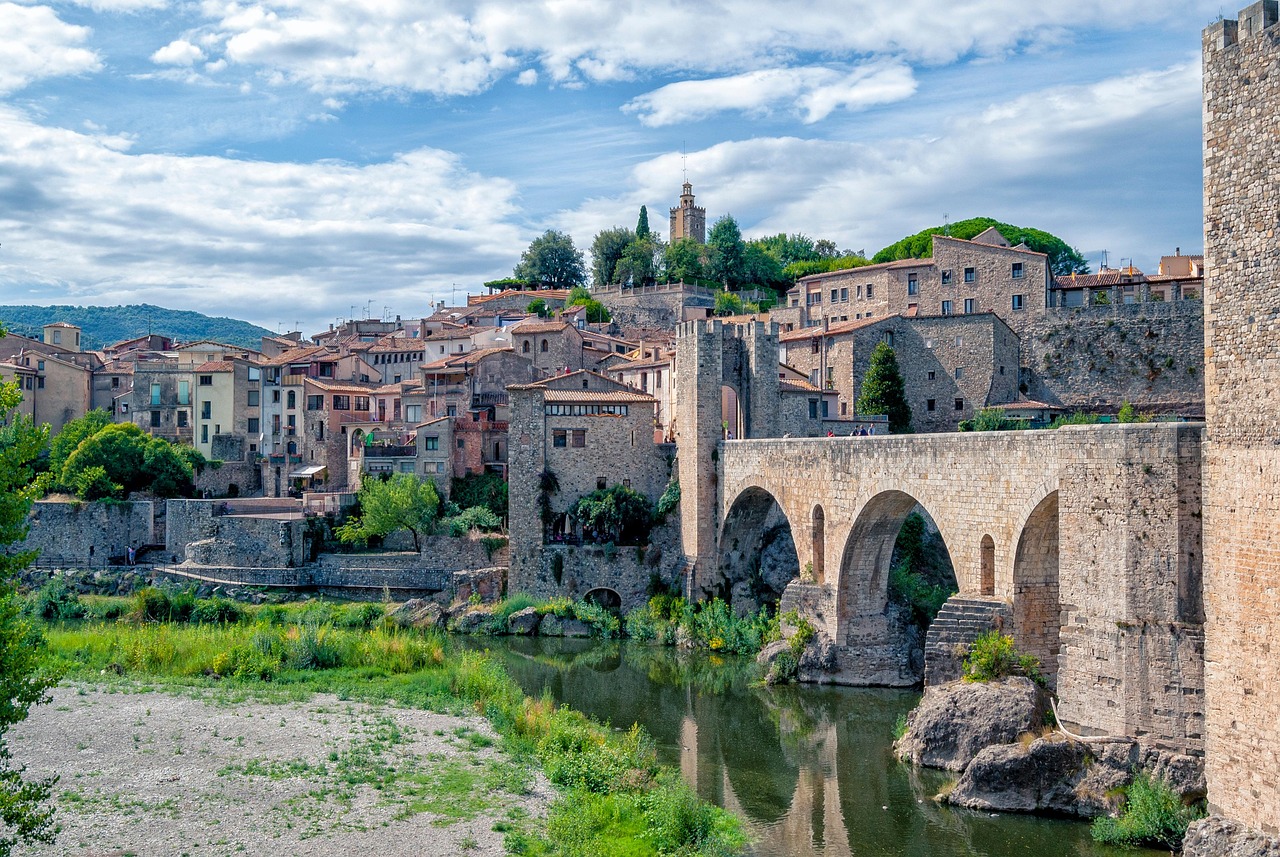
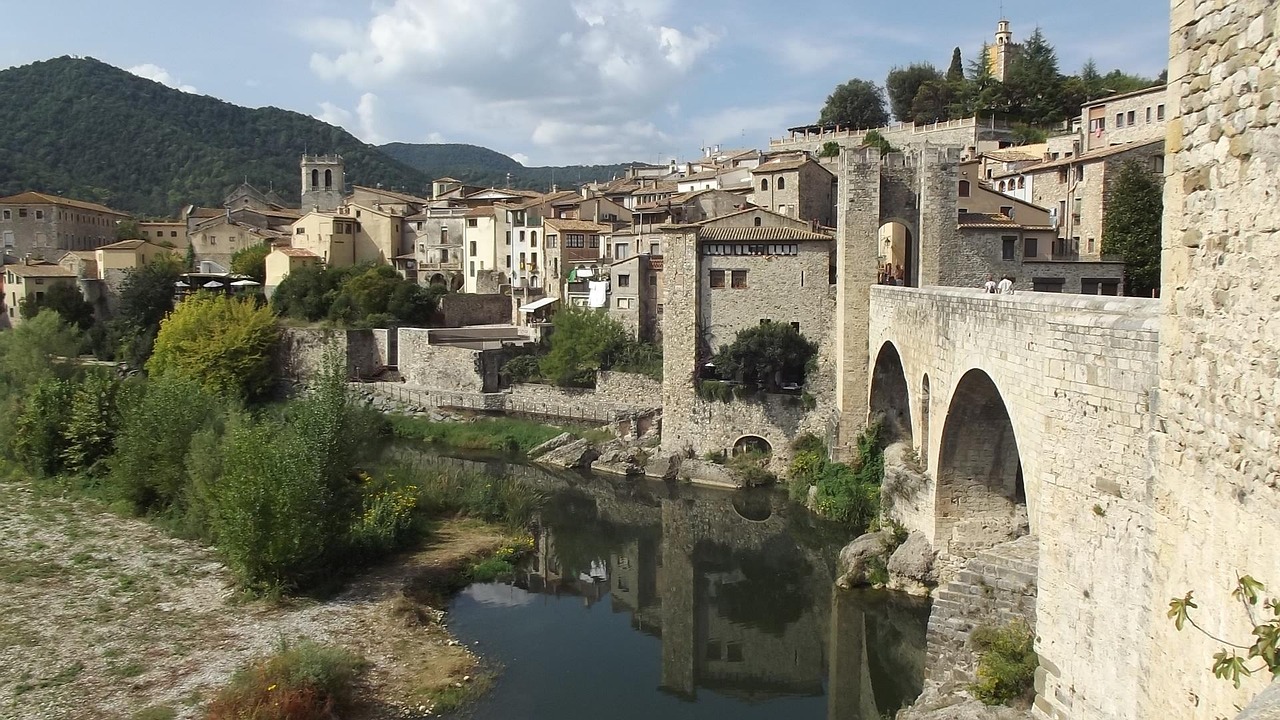
Throughout its history, Besalú witnessed significant events, including its capture by the Crown of Aragon in the 12th century. The town's strategic location made it a critical defense point against invasions, which led to the construction of formidable fortifications and the iconic Romanesque bridge that still stands today. This bridge, known as the Pont Vell, is a true architectural marvel, a symbol of the town that has been immortalized in countless photographs and paintings.
Art and Architecture
The architecture of Besalú is a stunning blend of Romanesque and Gothic styles, with each era leaving its mark on the town. The Pont Vell, with its five arches, is not just a means of crossing the river; it is an exquisite piece of art that captures the imagination. Walking across this bridge transports visitors to a time of knights and chivalry, and it’s especially magical when illuminated at night.
In addition to the bridge, the Church of Sant Pere is a must-see. Dating back to the 10th century, this church boasts a magnificent bell tower and intricate stone carvings that reflect the town’s artistic heritage. The Museum of Miniatures and Microminiatures, where scenes from the 19th century are displayed, offers a fascinating glimpse into the meticulous craftsmanship and dedication of artists who create works so small that they require a microscope to appreciate fully.
Local Culture and Traditions
Besalú is steeped in rich traditions and local customs, making it a vibrant part of Catalonian culture. One of the most celebrated events is the Fira de Sant Ermengol, held annually in October. This festival honors the town's patron saint and features a lively market showcasing local artisan crafts, traditional music, and delicious food. The streets come alive with the sounds of laughter and music as locals and visitors come together to celebrate.
Another important cultural event is the Medieval Fair, where the town transforms into a lively reenactment of medieval life. Performers in period costumes engage in jousting, crafts, and traditional dances, providing a unique opportunity to experience the town's historical roots firsthand.
Gastronomy
The culinary scene in Besalú is a delightful reflection of Catalonia’s rich gastronomic heritage. Local specialties include canelons (cannelloni) filled with rich meat sauces and escalivada, a dish made of smoky roasted vegetables like eggplant and peppers. Don’t miss out on sampling pa amb tomaquet, a simple yet flavorful bread topped with ripe tomatoes and drizzled with local olive oil.
To accompany these dishes, indulge in a glass of priorat red wine, which is highly regarded in the region, or try the sparkling cava for a refreshing treat. Local bakeries also offer panellets, sweet almond pastries that are especially popular during festivals.
Lesser-Known Curiosities
While many visitors flock to the main attractions, a few hidden gems often go unnoticed. One such curiosity is the Jewish Quarter, a labyrinth of narrow streets that holds the remnants of the town's once-thriving Jewish community. Here, you can find the remnants of a medieval mikveh (ritual bath), which offers a rare insight into the life of Jews in *Besalú* during the Middle Ages.
Additionally, the town is home to an ancient Romanesque hospital, the Hospital de Sant Julià, which served the sick and needy in the 12th century. This lesser-known site invites visitors to ponder the compassionate spirit of the medieval era.
Practical Visitor Information
The best time to visit Besalú is during the spring and fall when the weather is mild, and the town is less crowded. Be sure to wear comfortable footwear, as the cobbled streets can be uneven.
When you arrive, take the time to explore not just the main sights but also the quieter corners of the town. Spend a leisurely afternoon at Plaça Major, the town square, where you can sip coffee and soak in the atmosphere.
For a more personalized experience, consider using the Secret World app to create an itinerary tailored to your interests, ensuring you capture the magic of Besalú in all its medieval splendor.