





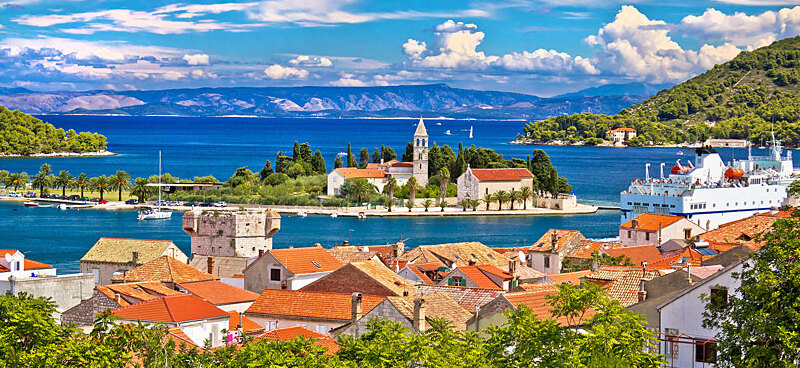
Nestled in the azure embrace of the Adriatic Sea, Vis, Croatia’s enigmatic gem, offers an intoxicating blend of history, culture, and natural beauty. Often overshadowed by its more famous neighbors like Hvar or Brac, Vis invites the inquisitive traveler to discover its layers of stories and secrets, whispered by time and tide.

The island's history is a tapestry woven with tales of conquest and resilience. Founded by the ancient Greeks as Issa in the 4th century BC, Vis was a pivotal maritime hub. Its strategic location made it a coveted prize for successive empires—from the Romans to the Venetians, and later the Austro-Hungarian Empire. During World War II, it became a key stronghold for the Yugoslav Partisans. The island's military significance extended into the Cold War, serving as a major naval base for Yugoslavia until 1989. Today, the remnants of this military past, like the intriguing submarine pen and abandoned bunkers, offer a unique glimpse into its storied past.
Strolling through the town of Vis, one is immediately struck by the island’s architectural charm. The narrow, winding streets are flanked by well-preserved stone houses, which speak to a Venetian influence that dates back to the 16th century. The Church of Our Lady of Spilice, with its striking Baroque facade, stands as a testament to the island’s religious and artistic heritage. Art enthusiasts will find the works of Jakša Fiamengo, a prominent poet and author native to Vis, particularly enriching, as his writings vividly capture the island's spirit and cultural nuances.

Vis is not just a repository of history and architecture; it is a vibrant mosaic of local culture and customs. The island’s festivals, such as the Vis Summer Festival, celebrate traditional music and dance, offering visitors an authentic taste of local life. The festival of St. George, the island’s patron saint, is another significant event, marked by lively processions and communal feasts that bring the island's close-knit community together.
Gastronomy is an integral part of the Vis experience. The island’s fertile soil and rich maritime resources have given rise to a distinctive culinary tradition. Peka, a slow-cooked dish of meat and vegetables, is a must-try, as is the local specialty Viška pogača, a savory pie filled with salted fish and tomatoes. Seafood lovers will revel in the freshness of the local catch, often accompanied by the island’s own Vugava wine, a white varietal that dates back to ancient times and is known for its unique, aromatic profile.
Yet, for all its charms, Vis holds secrets that elude the casual visitor. Beyond the well-trodden paths lies the Green Cave, a natural wonder on the islet of Ravnik, famed for its ethereal green light filtering through a hole in the cave's ceiling. The lesser-known Stiniva Bay, accessible only by a steep hike or boat, rewards intrepid explorers with its dramatic cliffs and secluded beach, a hidden paradise that feels worlds away from the hustle of modern life.
For those planning a visit, the best time to explore Vis is during the shoulder seasons of late spring and early autumn, when the weather is pleasant, and the island is less crowded. Be sure to rent a scooter or bike; it’s the ideal way to navigate the island’s scenic roads and discover its hidden gems. Keep an eye out for the Vis War Shelter, a lesser-known site where local guides share gripping tales of the island’s wartime history.
In a world where the pace of life accelerates daily, Vis offers a sanctuary of tranquility, history, and authentic Croatian culture. It invites travelers not just to visit, but to immerse themselves in a timeless rhythm that is all its own. Whether basking in the sun on a secluded beach, savoring a glass of Vugava at a seaside tavern, or exploring the island’s storied past, Vis promises an experience that is both enriching and unforgettable.