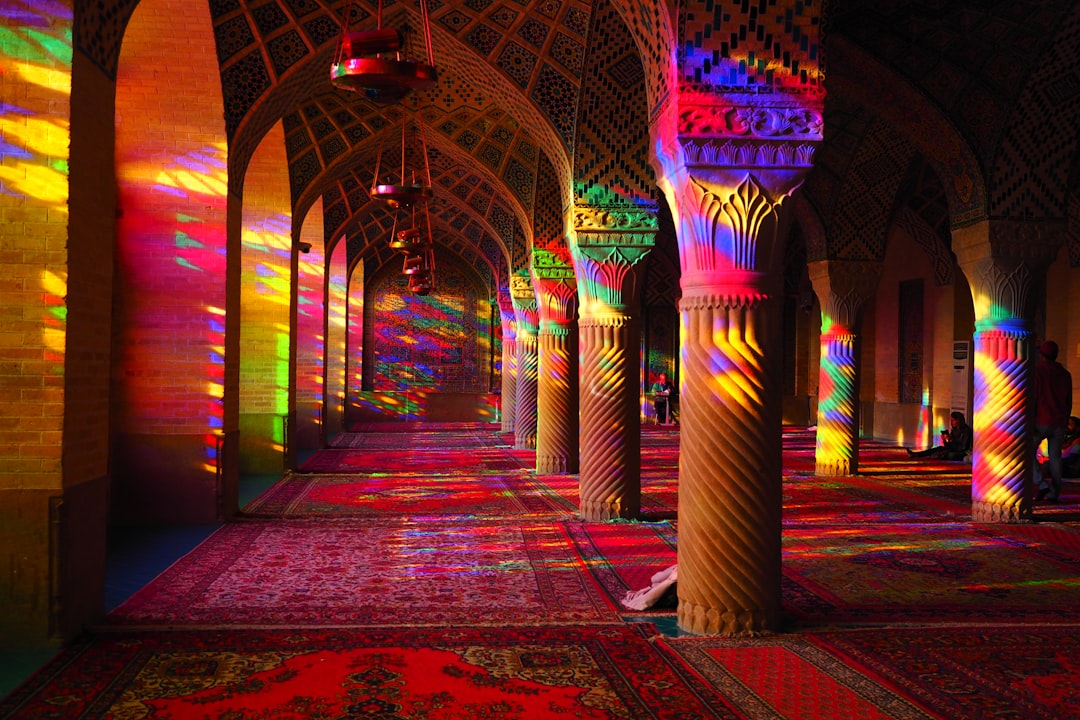

The smell of saffron and cardamom reaches you even before you cross the main entrance. The Vakil Bazaar in Shiraz is one of those places where the senses are overwhelmed one by one, in a precise order: first the nose, then the ears — the rhythmic hammering of blacksmiths on copper — and finally the eyes, when the brick vaulted ceilings open above you like a secular cathedral of commerce.
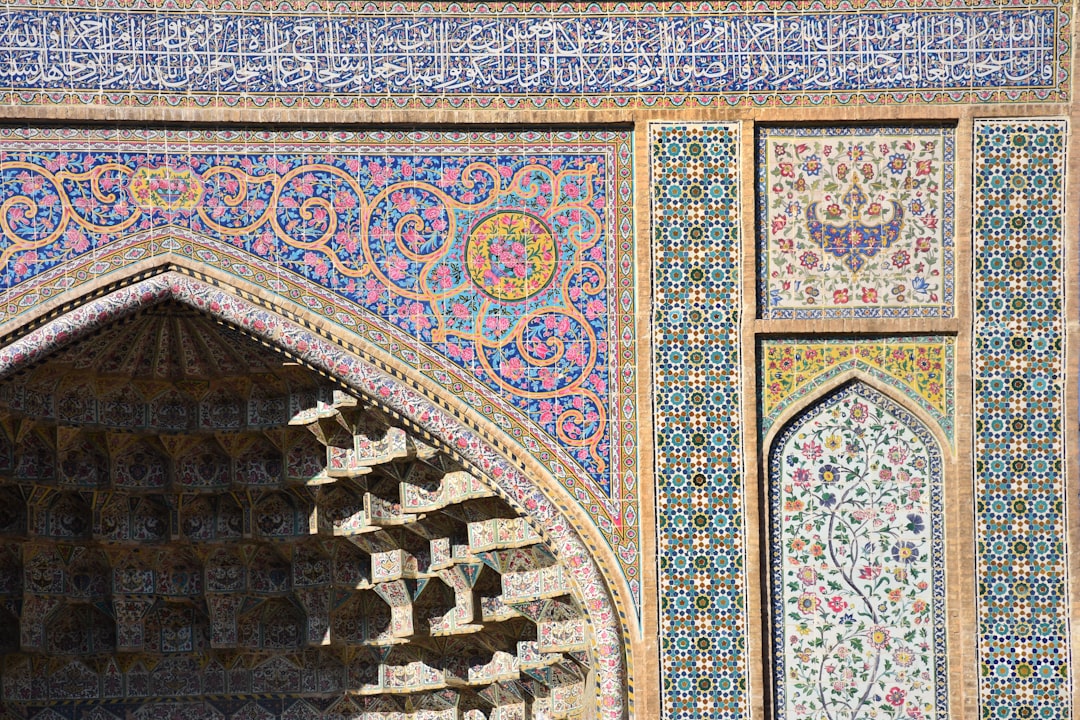
The bazaar was built during the Zand dynasty, in the 18th century, under the reign of Karim Khan Zand, the ruler who made Shiraz his capital and transformed the center into a monumental complex that also included the Vakil Citadel and the Vakil baths. The very name — Vakil, which in Persian means "regent" or "representative" — reflects the title that Karim Khan chose for himself, rejecting the title of Shah for formal modesty. The construction of the bazaar dates back approximately to the years 1750-1779, the peak period of Zand rule.
The architecture: bricks, light, and geometry

What visually distinguishes the Vakil Bazaar from other covered markets in the Middle East is the quality of its arched brick vaults, which stretch for hundreds of meters creating a bright tunnel effect. The bricks are arranged according to geometric patterns that are not merely decorative: they also regulate air circulation, keeping the internal environments cool in summer and relatively warm in winter, without any artificial systems.
At regular intervals, circular or octagonal openings are carved into the vaults that allow columns of natural light to filter through. In the central hours of the morning, these beams of light cut through the smoke of incense burners and the suspended dust, creating visual effects that photographers eagerly seek. The stone floor, worn by centuries, tells the story of millions of feet passing through: some slabs show deep grooves in the areas of heaviest traffic, near the spice shops and tea vendors.

The colors and scents: a sensory catalog
The sections dedicated to spices are the mandatory starting point for anyone wanting to understand what it means to shop in a Persian bazaar. Mountains of saffron in whole threads — Shiraz is located in the region that historically contributed to the production of this spice in Iran — are alongside piles of purple-red sumac, yellow ochre fenugreek, and shiny black pepper. Prices are almost always negotiable, and it is considered normal and respectful to do so.

In the sections of carpets, the colors change register: deep reds, cobalt blues, antique ivory. The Persian carpets sold at the Vakil Bazaar come from different regions of Iran, and the sellers are generally able to explain the differences between a carpet from Tabriz, one from Qom, and one produced locally in Fars. It is not uncommon for a merchant to invite visitors to sit down, offer tea, and dedicate half an hour to explaining the knots per square centimeter of a carpet without any pressure to buy — at least at the beginning.
The people: merchants and artisans

The Vakil Bazaar is still a vibrant market today, not a museum reconstruction. Next to the shops oriented towards tourism — those with miniature camel bone carvings and painted lacquer boxes — there are workshops that serve the local population: fabric sellers, shoe repairers, wholesalers of dried fruit. This overlap between the local economy and tourist flow creates an interesting tension that is felt during peak hours, when the alleys fill with Iranian families doing their ordinary shopping alongside groups of foreign visitors with cameras around their necks.
The copper artisans — the mísgarha, as they are called in Persian — still work in some workshops within the bazaar, producing pitchers, trays, and lamps using techniques passed down through generations. The sound of their work, a rhythmic metallic hammering, serves as a constant soundtrack in some sections of the market.
Practical tips for the visit
The best time to visit the Vakil Bazaar is in the early morning, between 9 and 11, when the natural light is most beautiful, the shops have just opened, and the crowd has not yet reached the levels of early afternoon. On Fridays — a holiday in Iran — many shops are closed or operate on reduced hours: it is preferable to plan the visit from Saturday to Thursday. The bazaar is free and accessible on foot from the center of Shiraz; the Vakil Citadel and the Vakil baths are located nearby and can be visited in the same half day. Allow at least two hours for a leisurely visit, three if you intend to stop to negotiate some purchases or to drink tea with the merchants.
Clothing: women must cover their hair with a scarf and wear clothes that cover their arms and legs, as required by Iranian law in all public places. It is essential to carry local currency — the Iranian rial or toman — as international credit cards are not accepted in Iran due to economic sanctions.