






Nestled in north-western Iran, the ancient city of Soltaniyeh stands as a testament to the country's rich history and architectural brilliance. Designated a UNESCO World Heritage Site in 2005, Soltaniyeh was once the capital of the Ilkhanate, a Mongolian dynasty that ruled over Persia in the 14th century. The city is renowned for its magnificent mausoleum of Ilkhan Oljeitu, a structure that embodies the zenith of Persian architecture and artistry during that era.

The mausoleum, an octagonal architectural marvel, was constructed between 1302 and 1312 and boasts a striking double dome that soars to 49 meters. Once adorned with exquisite blue majolica tiles, the mausoleum is encircled by eight slender minarets, which accentuate its grandeur. This structure not only served as a final resting place for Oljeitu but also symbolized the melding of Mongolian and Persian cultures, embodying a pivotal moment in Iran’s history.
In its glory days, Soltaniyeh was a bustling metropolis, a melting pot of ideas and cultures. Following the death of Oljeitu in 1316, the city flourished as a center of trade and scholarship. However, as political power shifted and the Ilkhanate declined, Soltaniyeh gradually fell into obscurity. By the end of the 14th century, the city was largely abandoned, leaving behind a legacy waiting to be rediscovered.
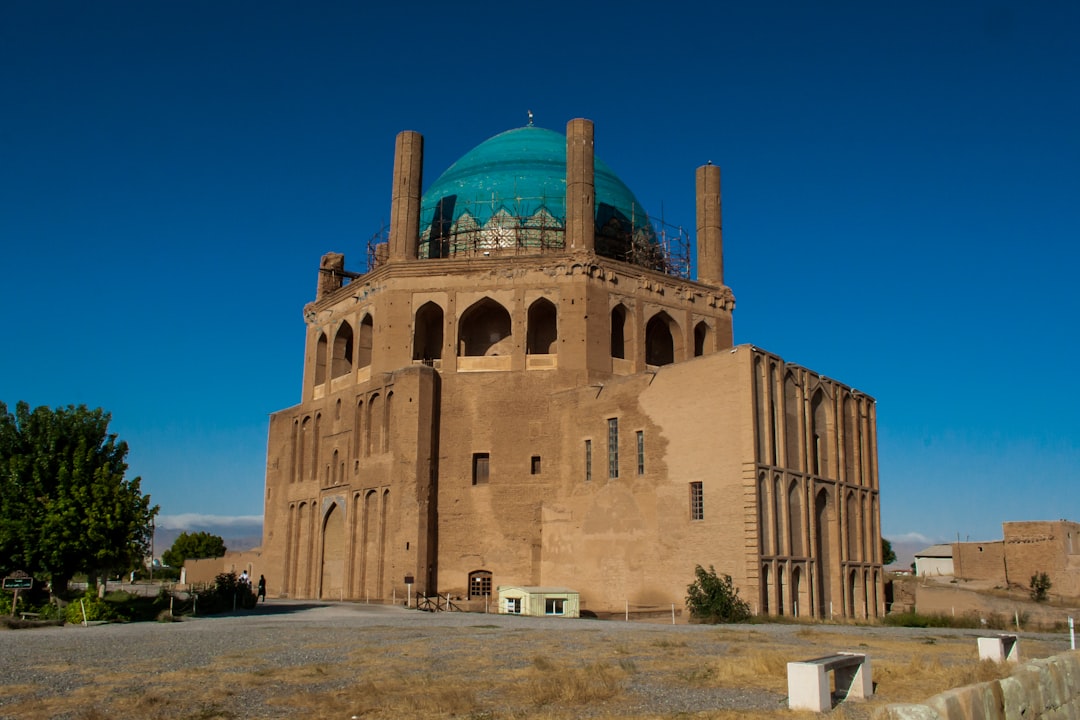
The architectural significance of the mausoleum cannot be overstated. It showcases the intricate tile work and geometric patterns that characterize Persian architecture, while also incorporating Mongolian influences. The structure's harmonious proportions and innovative engineering techniques reflect the artistic genius of its time. Inside, visitors can marvel at the stunning interior adorned with intricate stucco work and inscriptions, which add layers of meaning and context to the building's purpose.
Beyond its architectural wonders, Soltaniyeh is interwoven with the local culture. The city is home to various customs and traditions, including local festivals that celebrate its rich history. One of the most significant events is the Nowruz, the Persian New Year, which brings together the community in a vibrant celebration of renewal and hope. Traditional music and dance often fill the air during these festivities, creating an atmosphere of joy and togetherness.
Gastronomy plays an essential role in experiencing the local culture. Visitors to Soltaniyeh can indulge in traditional Persian dishes such as kebabs, dolmeh (stuffed grape leaves), and ash reshteh, a hearty noodle soup. The region is also known for its sweet treats like baklava and saffron-infused rice pudding, which offer a delicious glimpse into the culinary heritage of Iran. Pair these dishes with a cup of chai (tea), a staple in Persian hospitality, for an authentic dining experience.
While many tourists flock to the mausoleum, several lesser-known curiosities lie hidden within the city’s ruins. For instance, the surrounding area is dotted with ancient remnants of the once-thriving city, including remnants of mosques and palaces that hint at Soltaniyeh’s former grandeur. Additionally, the site is a treasure trove for archaeologists, with ongoing excavations revealing artifacts that tell the story of its past inhabitants.
For those planning to visit Soltaniyeh, the best time is during the spring or autumn months when the weather is mild and pleasant, allowing for a more comfortable exploration of the site. Visitors are encouraged to take their time, immersing themselves in the intricate details of the mausoleum and wandering through the surrounding ruins. A knowledgeable local guide can enrich the experience, bringing to life the stories and histories embedded in the stones.
As you stroll through the echoes of history in Soltaniyeh, consider using the Secret World app to craft a personalized itinerary that captures the essence of this remarkable destination.