






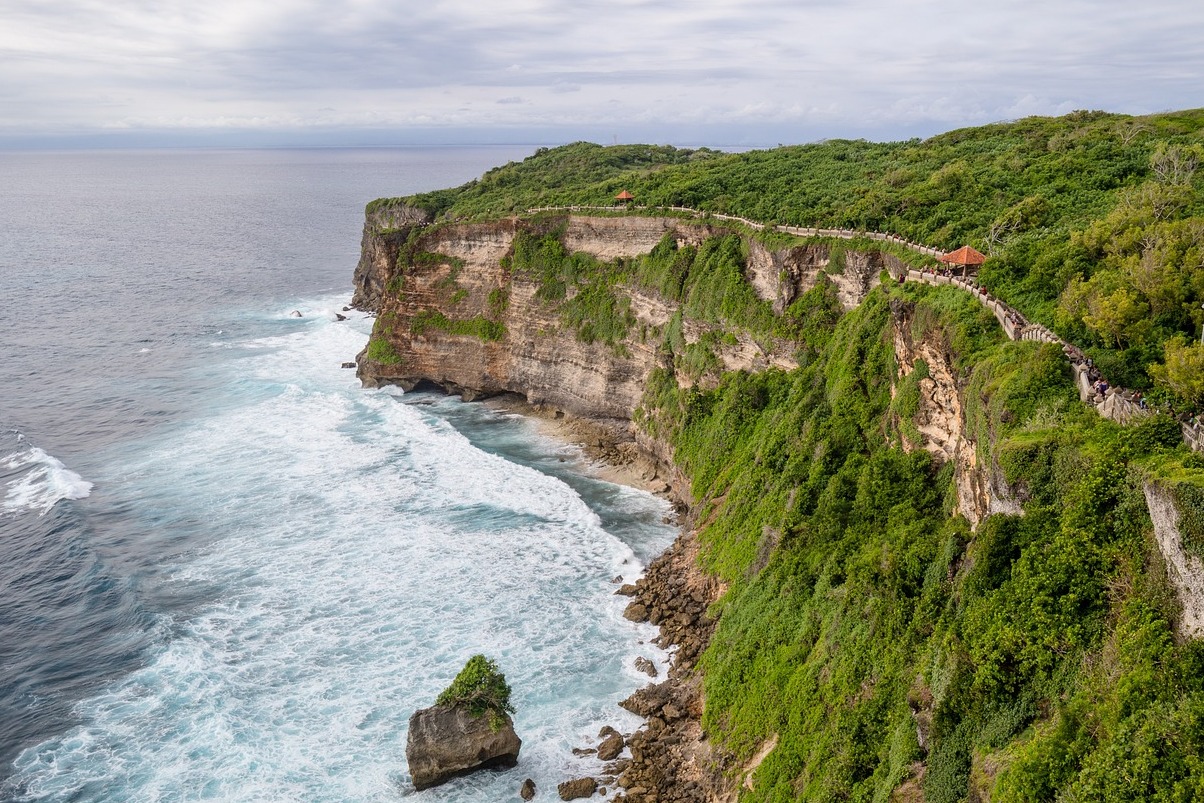
Perched majestically on a cliff 70 meters high, Uluwatu Temple, or Pura Luhur Uluwatu, is a stunning testament to Bali's rich spiritual heritage. Dating back to the 11th century, this sacred site is one of the island's six key temples, believed to act as a barrier against evil spirits. Legends tell of a high priest named Dhang Hyang Dwijendra, who is credited with the temple's founding, having traveled from Java to establish this spiritual haven. The temple's name, Pura Luhur, translates to 'the temple that has a high place', perfectly encapsulating its breathtaking location overlooking the Indian Ocean. The temple is not just a historical site; it is also a vibrant cultural hub, famous for its Kecak dance performances that take place against the backdrop of stunning sunsets, drawing visitors from around the globe.

### Art and Architecture The architectural style of Uluwatu Temple is quintessentially Balinese, characterized by intricate stone carvings, traditional gateways known as candi bentar, and beautifully manicured gardens. The temple's structures are adorned with ornate sculptures that depict scenes from Hindu mythology, particularly the Ramayana. The use of local stone, shaped over centuries, blends seamlessly with the natural landscape, enhancing its spiritual ambiance. Visitors are often captivated by the Pura's tiered shrines, which rise dramatically against the sky, creating a visual spectacle that reflects the island's artistic heritage.
### Local Culture and Traditions The cultural significance of Uluwatu Temple extends beyond its architectural beauty. It is a site of religious importance for the Balinese Hindus, who celebrate numerous ceremonies throughout the year. One of the most notable events is the Melasti ceremony, which takes place in March and involves a purification ritual at sea. Local customs are deeply intertwined with daily life here, and visitors may witness offerings being made at the temple, a practice that reflects the profound spirituality of the Balinese people.
### Gastronomy Visitors to Uluwatu can indulge in a variety of local delicacies. The area is famous for its seafood, particularly grilled fish and prawns, often served with sambal—a spicy, tangy sauce made from chili peppers. Don’t miss the opportunity to try nasi campur, a traditional dish that features a mix of rice, vegetables, meats, and sambal, providing a true taste of Balinese cuisine. For a refreshing drink, sample es kelapa muda, a young coconut drink that is both hydrating and delicious, perfect for the warm tropical climate.
### Lesser-known Curiosities While the stunning views and performances are well-known, there are hidden gems at Uluwatu Temple that many tourists miss. For instance, the surrounding area is teeming with monkeys, often seen as guardians of the temple; however, they can also be mischievous and known to snatch belongings from unsuspecting visitors. Additionally, the cliffs surrounding the temple are home to various endangered species of birds, making it a unique spot for birdwatching.
### Practical Visitor Information The best time to visit Uluwatu Temple is during the dry season from April to October, when the weather is typically sunny and pleasant. Arrive in the late afternoon to secure a good spot for the Kecak dance, which starts around sunset, offering a mesmerizing experience. It’s advisable to dress modestly, as the temple is a sacred site. Visitors should also take care of their belongings, especially around the monkey population.
In conclusion, Uluwatu Temple offers not just a glimpse into Bali's spiritual essence but also a chance to immerse oneself in its rich culture, stunning architecture, and delectable cuisine. For a personalized itinerary that captures all that this magnificent site has to offer, consider using the Secret World app to enhance your visit.