





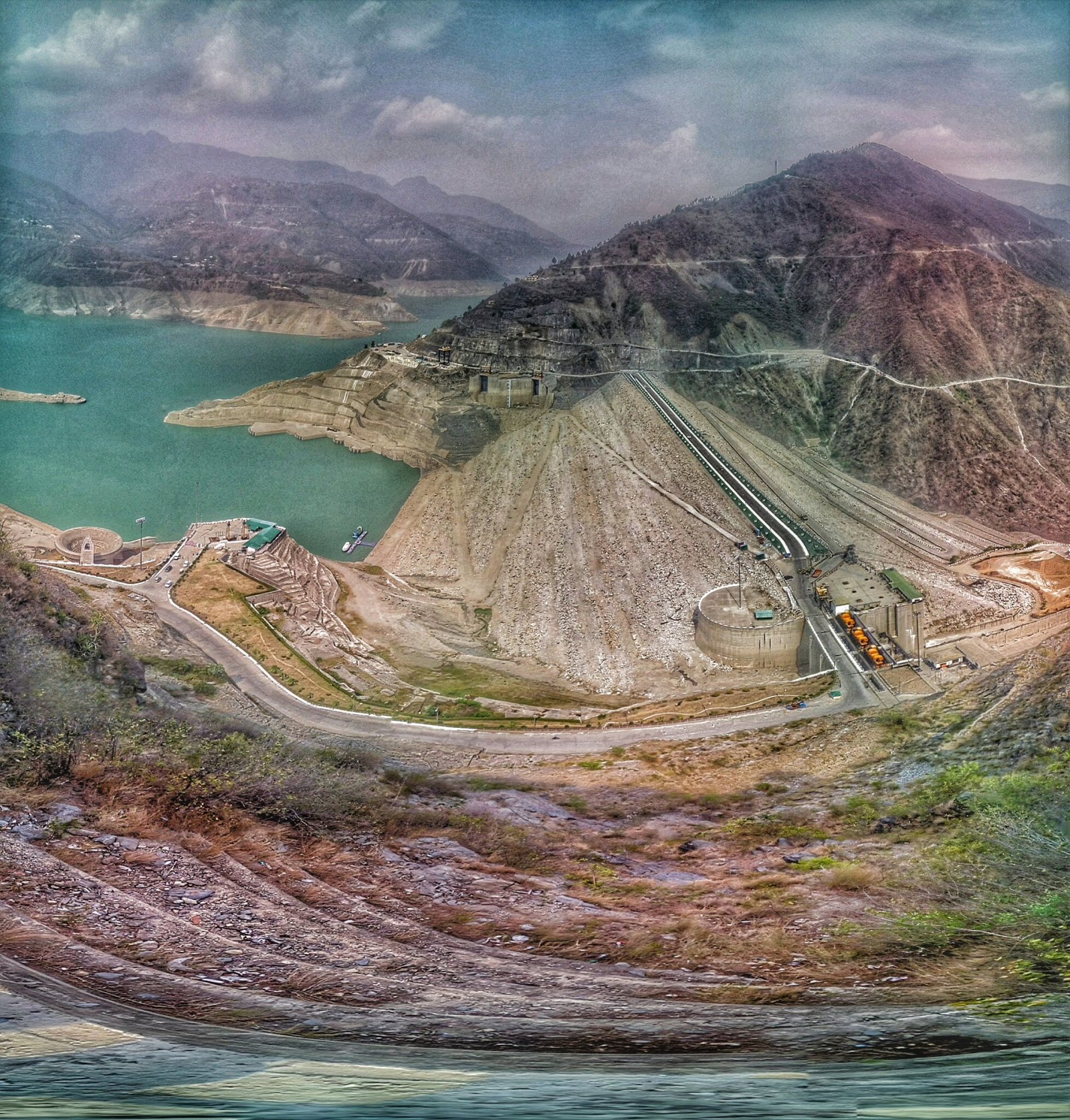
Perched majestically in the Himalayan foothills, the Tehri Dam is a marvel of modern engineering and a testament to India's ambitious spirit. As the highest dam in India, it stands as a towering sentinel over the Bhagirathi River, its colossal structure blending seamlessly with the rugged beauty of Uttarakhand. Those who journey here are rewarded not just with stunning vistas, but with a deep dive into the area's rich tapestry of history, culture, and natural wonder.

The origins of the Tehri Dam are deeply intertwined with the history of the region. The dam is situated near the ancient town of Tehri, which has been a significant cultural and economic center for centuries. The concept of the dam dates back to the mid-20th century, with initial surveys conducted in 1961. However, it wasn't until 1978 that construction began in earnest. The project faced numerous challenges, including environmental concerns and logistical hurdles, but it was finally completed in 2006. The dam's construction led to the submergence of Old Tehri town, a poignant reminder of the sacrifices made for progress. Today, New Tehri stands as a modern township, symbolizing rebirth and resilience.
Architecturally, the Tehri Dam is an engineering feat, a rock and earth-fill embankment standing at an impressive 260.5 meters. While its primary purpose is functional—providing hydroelectric power, irrigation, and drinking water—its design is a masterclass in harmonizing human achievement with nature. A lesser-known fact is the intricate network of tunnels and spillways that manage the river's flow, a hidden world beneath the surface that showcases the ingenuity of its architects.
The surrounding region is steeped in the vibrant culture and traditions of Uttarakhand. The local community, primarily composed of the Garhwali people, celebrates a plethora of festivals that reflect their deep-rooted connection to nature and spirituality. One such festival is Ganga Dussehra, which honors the descent of the Ganges from heaven to earth, celebrated with fervent rituals and colorful processions. The area is also known for its folk music and dance, where traditional instruments like the dhol and damau accompany spirited performances that tell stories of gods and heroes.
No visit to Tehri is complete without indulging in the region's distinctive gastronomy. The local cuisine is a delightful exploration of flavors, heavily influenced by the mountainous terrain and agrarian lifestyle. Dishes such as Kafuli, a spinach-based curry, and Chainsoo, made from black gram lentils, offer a hearty taste of traditional Garhwali cooking. Another must-try is the Aloo Ke Gutke, a spicy potato dish seasoned with local spices, often served with Mandua ki Roti, a nutritious flatbread made from finger millet.
Beyond the well-trodden paths, Tehri harbors intriguing curiosities. One such story is that of the Tehri Lake, formed by the dam's reservoir, which has become a hub for adventure sports, offering activities like jet skiing and paragliding. The lake's serene waters also conceal the remnants of Old Tehri, an underwater ghost town that sparks the imagination of those who venture to its depths.
For those planning a visit, the best time to experience Tehri's splendor is between March and June, when the weather is pleasantly cool, and the landscapes are lush with spring blooms. Travelers should pack accordingly, as temperatures can vary significantly between day and night. A visit to the Tehri Dam not only offers breathtaking views but also insightful tours that delve into the dam's construction and operation.
In conclusion, the Tehri Dam is more than just an architectural landmark; it is a gateway to understanding the cultural and natural wealth of Uttarakhand. Whether you're drawn by the allure of its engineering prowess, the vibrant local culture, or the promise of culinary adventures, Tehri stands ready to captivate and inspire.