The Palace of Wilanów, often referred to as the "Little Versailles," is a jewel nestled in the heart of Warsaw, Poland. This stunning baroque residence, built for King Jan III Sobieski in the late 17th century, stands as a testament to Poland's rich history and cultural heritage. The palace is not merely an architectural marvel; it encapsulates the aspirations and achievements of a nation that has undergone immense transformation through the centuries.

The origins of the Palace of Wilanów date back to 1677, when King Jan III Sobieski commissioned its construction as a summer residence. Sobieski, known for his military prowess and his pivotal role in the Battle of Vienna in 1683, envisioned a retreat that would reflect the grandeur of his reign. The palace was designed by Architect Giovanni Battista Lego, showcasing a blend of Polish and European architectural styles that emphasize both opulence and harmony with nature. By the time of its completion in 1696, Wilanów had become a symbol of the king's legacy and an embodiment of Polish nobility during a time of flourishing arts and culture.
Architecturally, the Palace of Wilanów is a striking example of baroque design. Its facade is adorned with intricate wall paintings, lush gardens, and detailed bas-reliefs, including a remarkable depiction of Cronos. The two-storey Entrance Hall greets visitors with its ornate decorations, while the Great Dining Hall showcases impressive ceilings and elegant furnishings. The Gallery of Polish Portraits, featuring works by notable artists, provides a glimpse into Poland's noble lineage, celebrating the Sobieski family's contributions to the nation.
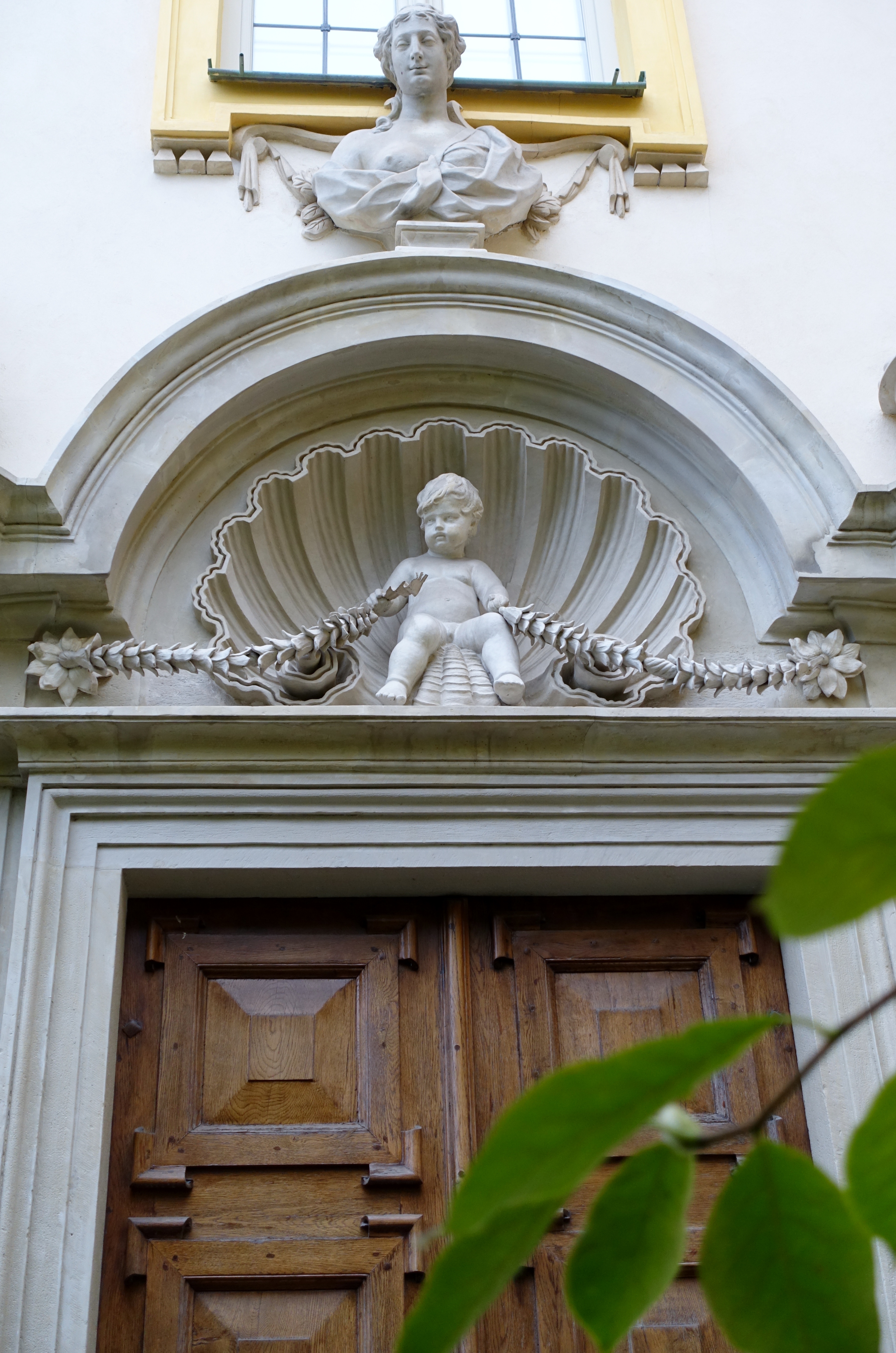
Beyond the architectural splendor, the palace houses a rich collection of artworks, furniture, and decorative arts. Visitors can admire exquisite portraits that capture the essence of 17th-century Polish nobility, alongside sculptures and jewellery that evoke the opulent lifestyle of the royal court. Each room within the palace tells a story, transporting guests back in time to an era of elegance and refinement.
The cultural significance of the Palace of Wilanów extends beyond its walls. It is a vibrant center for local customs and traditions, especially during the summer months when various festivals and events take place. The palace grounds often host outdoor concerts, art exhibitions, and historical reenactments, immersing visitors in the rich tapestry of Polish culture. The annual Wilanów Gardens Festival showcases the beauty of horticulture and celebrates the connection between nature and art, drawing both locals and tourists alike.
Gastronomy plays a pivotal role in the cultural experience of visiting Wilanów. The area around the palace is known for its traditional Polish cuisine, with local eateries offering dishes like pierogi (dumplings), bigos (hunter's stew), and sernik (cheesecake). Visitors can indulge in these hearty meals, often accompanied by a glass of Żubrówka, a unique bison grass vodka that adds a local twist to any dining experience.
For those keen on exploring lesser-known aspects of the palace, several intriguing details often remain overlooked. One such curiosity is the 17th-century sundial located on the palace's exterior, a subtle reminder of the passage of time and the importance of astronomy in the baroque era. Additionally, the palace's gardens, designed in the French style, are home to a variety of rare plant species, making it a delightful spot for botany enthusiasts. The Wilanów Palace Museum, established in 1805, also houses a collection of artifacts that tell the story of Poland's tumultuous history and artistic evolution.
The best time to visit the Palace of Wilanów is during the late spring and early summer months (May to June), when the gardens are in full bloom and the weather is pleasantly warm. Early mornings or late afternoons provide a tranquil atmosphere, allowing visitors to fully appreciate the beauty of the palace and its surroundings. For a more immersive experience, consider joining a guided tour, which often reveals hidden stories and insights that enhance the visit.
As you wander through the majestic halls of the Palace of Wilanów and explore its enchanting gardens, take a moment to absorb the rich history and vibrant culture that permeates every corner. From the intricate details of its architecture to the delectable local cuisine, Wilanów offers a unique glimpse into Poland's past and present.
For a personalized journey through Warsaw, consider using the Secret World app to plan your itinerary seamlessly.