← Back

The old imperial city of Aachen

Aquisgrana, Germania ★★★★☆ 991 views
Ranita Birla
Aquisgrana
🏆 AI Trip Planner 2026

Get the free app

Discover the best of Aquisgrana with Secret World — the AI trip planner with 1M+ destinations. Get personalized itineraries, hidden gems and local tips. Free on iOS & Android.

🧠 AI Itineraries 🎒 Trip Toolkit 🎮 KnowWhere Game 🎧 Audio Guides 📹 Videos
Scan to download iOS / Android
Scan for AppGallery Huawei users

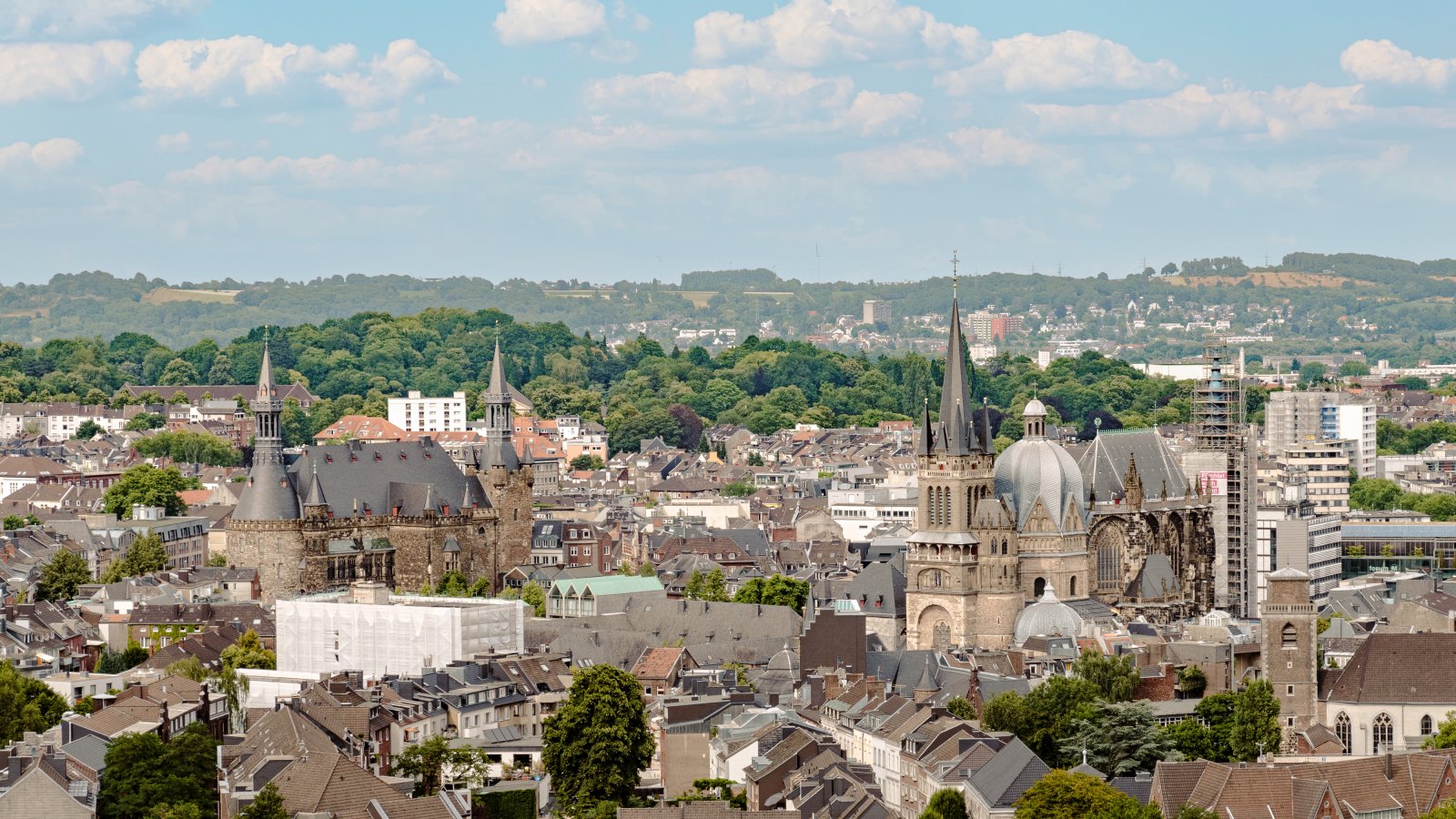
About The old imperial city of Aachen

The old imperial city of Aachen - Aquisgrana | Secret World Trip Planner

Aachen, often referred to as Aquisgrana, is a city steeped in rich history and cultural significance. Nestled at the crossroads of Germany, the Netherlands, and Belgium, Aachen has been a pivotal location for over 2000 years. This cosmopolitan town is perhaps best known for its role as the imperial capital under Charlemagne, who not only resided here but was also laid to rest in its majestic Aachen Cathedral. The city's unique blend of history, art, and culinary delights makes it a fascinating destination worth exploring.

The old imperial city of Aachen - Aquisgrana | Secret World Trip Planner

### History and Origins The history of Aachen can be traced back to the Roman Empire when it was known as Aquisgrana, a name derived from the Latin words for 'water' and 'granary.' The Romans utilized the natural hot springs that still flow today, establishing a spa town that attracted visitors seeking the therapeutic benefits of the mineral-rich waters.

In 787 AD, Charlemagne chose Aachen as his imperial residence and transformed it into a cultural and political hub. The city's significance grew as it became the site of the Palatine Chapel, a masterpiece of Carolingian architecture and a UNESCO World Heritage Site. Charlemagne's influence is evident throughout the city, and following his death in 814 AD, he was interred in the cathedral, cementing Aachen's status as a pilgrimage site.

The old imperial city of Aachen - Aquisgrana | Secret World Trip Planner

Over the centuries, Aachen continued to thrive as it hosted numerous German kings’ coronations. The Treaty of Aachen, signed in 1748, marked the end of the War of the Austrian Succession, further embedding the city in European history.

### Art and Architecture Aachen's architectural landscape is a reflection of its illustrious past. The Aachen Cathedral, built in the 9th century, is the city’s centerpiece, showcasing a stunning blend of Romanesque and Gothic styles. Its octagonal structure, adorned with intricate mosaics and gold leaf, houses the Palatine Chapel, which served as the coronation site for many Holy Roman Emperors.

Among the cathedral’s treasures is the Shrine of Charlemagne, an ornate reliquary that draws many visitors. The Renaissance and Baroque influences can also be seen in other structures around the city, such as the City Hall, which was built on the site of the imperial palace and boasts a beautiful façade and grand interior.

### Local Culture and Traditions Aachen's vibrant culture is celebrated through various local customs and festivals. One of the most notable events is the Aachen Christmas Market, held annually in December. The market transforms the city into a winter wonderland, where visitors can enjoy traditional crafts, festive decorations, and the famous Aachener Printen, a spiced gingerbread that has become synonymous with the city.

Another cherished tradition is the Aachen Carnival, celebrated with parades, music, and colorful costumes. This lively event attracts locals and tourists alike, showcasing the city's exuberant spirit and sense of community.

### Gastronomy No visit to Aachen is complete without indulging in its unique gastronomic offerings. The most renowned culinary delight is the Aachener Printen. This gingerbread, which dates back to the 15th century, is made with honey, spices, and almonds, creating a distinct flavor that has captivated generations.

Another local specialty is the Öcher Kappen, a traditional pastry typically enjoyed during carnival season. For those seeking a hearty meal, the Aachen-style Sauerbraten, a pot roast marinated in vinegar and spices, is a must-try.

### Lesser-Known Curiosities While many tourists flock to the cathedral, several hidden gems often go unnoticed. For example, the Aachen Elisenbrunnen, a historic fountain located in the city center, is a nod to the city’s Roman roots. Visitors can sample the thermal waters, which are still believed to have healing properties.

Additionally, the Centre Charlemagne offers an insightful look into the city’s history through interactive exhibits. It’s an excellent stop for those wanting to delve deeper into Aachen's past beyond the iconic cathedral.

### Practical Visitor Information The best time to visit Aachen is during the spring and early autumn months when the weather is mild, and the city is less crowded. However, if you want to experience the festive spirit, the Christmas Market in December is a truly magical time to be in the city.

When planning your visit, consider setting aside time to explore the surrounding border triangle region, which is rich with natural beauty and historical sites.

To navigate Aachen’s highlights and hidden treasures, the Secret World app can help you craft a personalized itinerary tailored to your interests.

🗺 L'app dei tesori italiani

Plan your visit to Aquisgrana

Suggested itinerary near The old imperial city of Aachen

MAJ+
500.000+ travelers worldwide
  1. 🌅
    Morning
    The old imperial city of Aachen
    📍 Aquisgrana
  2. ☀️
    Afternoon
    AI Trip Planner Aachen 2026: Revolutionize Your Travels
    📍 0 km · Aquisgrana
  3. 🌆
    Evening
    Unesco: Aachen Cathedral
    📍 0.1 km · Aquisgrana

Buy Unique Travel Experiences

Powered by Viator

See more on Viator.com

Explore nearby · Aquisgrana

Frequently Asked Questions

Aachen's Latin name 'Aquisgrana' derives from words meaning 'water' and 'granary,' referring to the natural hot springs that attracted Romans seeking therapeutic benefits. The city has been significant for over 2000 years, beginning as a Roman spa town and later becoming the imperial capital under Charlemagne in 787 AD, which transformed it into a major cultural and political hub of Europe.
Aachen Cathedral, built in the 9th century, is a UNESCO World Heritage Site showcasing a stunning blend of Romanesque and Gothic architecture with an octagonal structure adorned with intricate mosaics and gold leaf. It houses the Palatine Chapel, a masterpiece of Carolingian architecture, and served as the coronation site for numerous German kings, plus it contains the burial place of Charlemagne himself.
Aachen is strategically nestled at the crossroads of Germany, the Netherlands, and Belgium, making it a cosmopolitan location at a crucial intersection of European borders. This unique position has historically made it a pivotal location for over 2000 years and continues to make it an accessible destination for travelers from multiple countries.
Beyond Charlemagne's rule, Aachen hosted the coronations of numerous German kings throughout the centuries, solidifying its importance in European royal history. The city also played a crucial diplomatic role when the Treaty of Aachen was signed in 1748, marking the end of the War of the Austrian Succession and further embedding the city in European political significance.
Aachen offers a unique combination of over 2000 years of rich history, exceptional art and architecture centered around its UNESCO World Heritage Cathedral, and the natural therapeutic hot springs that have attracted visitors since Roman times. Its role as Charlemagne's imperial capital, its blend of culinary delights, and its position at the crossroads of three countries make it a fascinating destination that few other German cities can match.