
← Back

The Magic Owl

Place Notre Dame, 21000 Dijon, Francia ★★★★☆ 321 views
Ingrid Dolores
Dijon
🏆 AI Trip Planner 2026

Get the free app

Discover the best of Dijon with Secret World — the AI trip planner with 1M+ destinations. Get personalized itineraries, hidden gems and local tips. Free on iOS & Android.

🧠 AI Itineraries 🎒 Trip Toolkit 🎮 KnowWhere Game 🎧 Audio Guides 📹 Videos
Scan to download iOS / Android
Scan for AppGallery Huawei users

About The Magic Owl

The Magic Owl - Dijon | Secret World Trip Planner

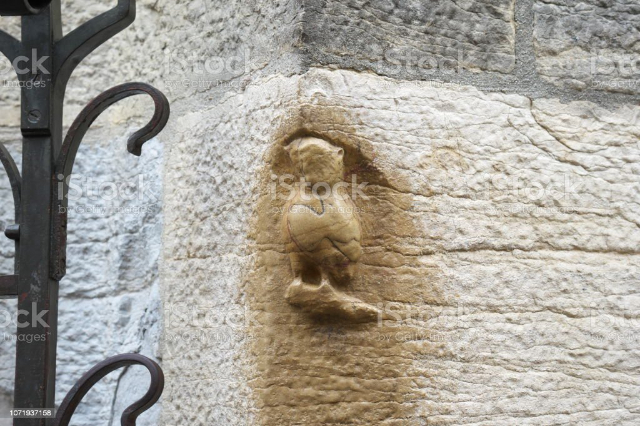
Dijon is a city located in the Burgundy region of France. It is known for its rich history, medieval architecture and cultural heritage. One of its most iconic attractions is the Magic Owl of Dijon.The Magic Owl is a small sculpture of an owl, made of stone or wood, found within the city. This symbol has become an amulet of good luck for Dijon and its inhabitants. It is believed to bring prosperity, happiness and success to those who touch it or gesture to it.The legend of the Magic Owl originated in the 18th century, when it was placed on the spire of a church. According to the story, the owl supposedly had the power to protect the city from natural disasters, such as fires or storms. Over the centuries, the Magic Owl has become a symbol of identity for Dijon and one of its main tourist attractions.Today, Dijon's Magic Owl has become an icon of the city, and many visitors go specifically to admire it and to touch it in the hope of getting lucky. It is considered a symbol of welcome and good luck for those who visit Dijon.In addition, Dijon offers many other tourist attractions, including its well-preserved historic center with picturesque streets, Renaissance palaces, and one of the oldest universities in Europe. The city is also famous for its gastronomy, particularly its mustard, and offers a variety of museums, art galleries, and cultural festivals that celebrate its historical and artistic heritage.Thus, the Magic Owl of Dijon represents not only an object of superstition and good luck, but also a symbol of the city's own history, culture, and identity.


🗺 L'app dei tesori italiani

Plan your visit to Dijon

Suggested itinerary near The Magic Owl

MAJ+
500.000+ travelers worldwide
  1. 🌅
    Morning
    The Magic Owl
    📍 Dijon
  2. ☀️
    Afternoon
    France & Food | Dijon Mustard
    📍 0.1 km · Dijon
  3. 🌆
    Evening
    Secret World App Review Dijon 2026: The Best Trip Planner
    📍 0.1 km · Dijon

Buy Unique Travel Experiences

Powered by Viator

See more on Viator.com

Explore nearby · Dijon

Frequently Asked Questions

The Magic Owl is a small sculpture found within Dijon, the capital city of the Burgundy region in France, and is made of either stone or wood. Originally placed on a church spire in the 18th century, it has become one of the city's most iconic attractions and symbols of identity.
According to 18th-century legend, the Magic Owl was believed to protect Dijon from natural disasters like fires and storms, and it is said to bring prosperity, happiness, and success to those who touch or gesture to it. Today, many visitors specifically seek out the sculpture to touch it in hopes of receiving good luck, making it a symbol of welcome for the city.
Beyond the Magic Owl, Dijon offers a well-preserved historic center with picturesque streets, Renaissance palaces, and one of Europe's oldest universities. The city is also famous for its mustard, and features a variety of museums, art galleries, and cultural festivals celebrating its historical and artistic heritage.
The Magic Owl originated as a legend in the 18th century when it was placed on a church spire, and over the centuries it has evolved into a symbol of Dijon's identity and one of its main tourist attractions. Its status as an icon has grown significantly, with many modern visitors traveling specifically to experience its supposed good luck powers.
While the Magic Owl functions as a good luck charm and amulet for visitors, it represents much more than mere superstition—it is a fundamental symbol of Dijon's history, culture, and identity. The sculpture embodies the city's heritage and has become integral to how both locals and tourists connect with Dijon's rich past and character.