
← Back

The Ducal Castle of Agliè

Piazza Castello, 2, 10011 Agliè TO, Italia ★★★★☆ 145 views
Rossella Do Pinto
Agliè
🏆 AI Trip Planner 2026

Get the free app

Discover the best of Agliè with Secret World — the AI trip planner with 1M+ destinations. Get personalized itineraries, hidden gems and local tips. Free on iOS & Android.

🧠 AI Itineraries 🎒 Trip Toolkit 🎮 KnowWhere Game 🎧 Audio Guides 📹 Videos
Scan to download iOS / Android
Scan for AppGallery Huawei users

About The Ducal Castle of Agliè

The Ducal Castle of Agliè - Agliè | Secret World Trip Planner

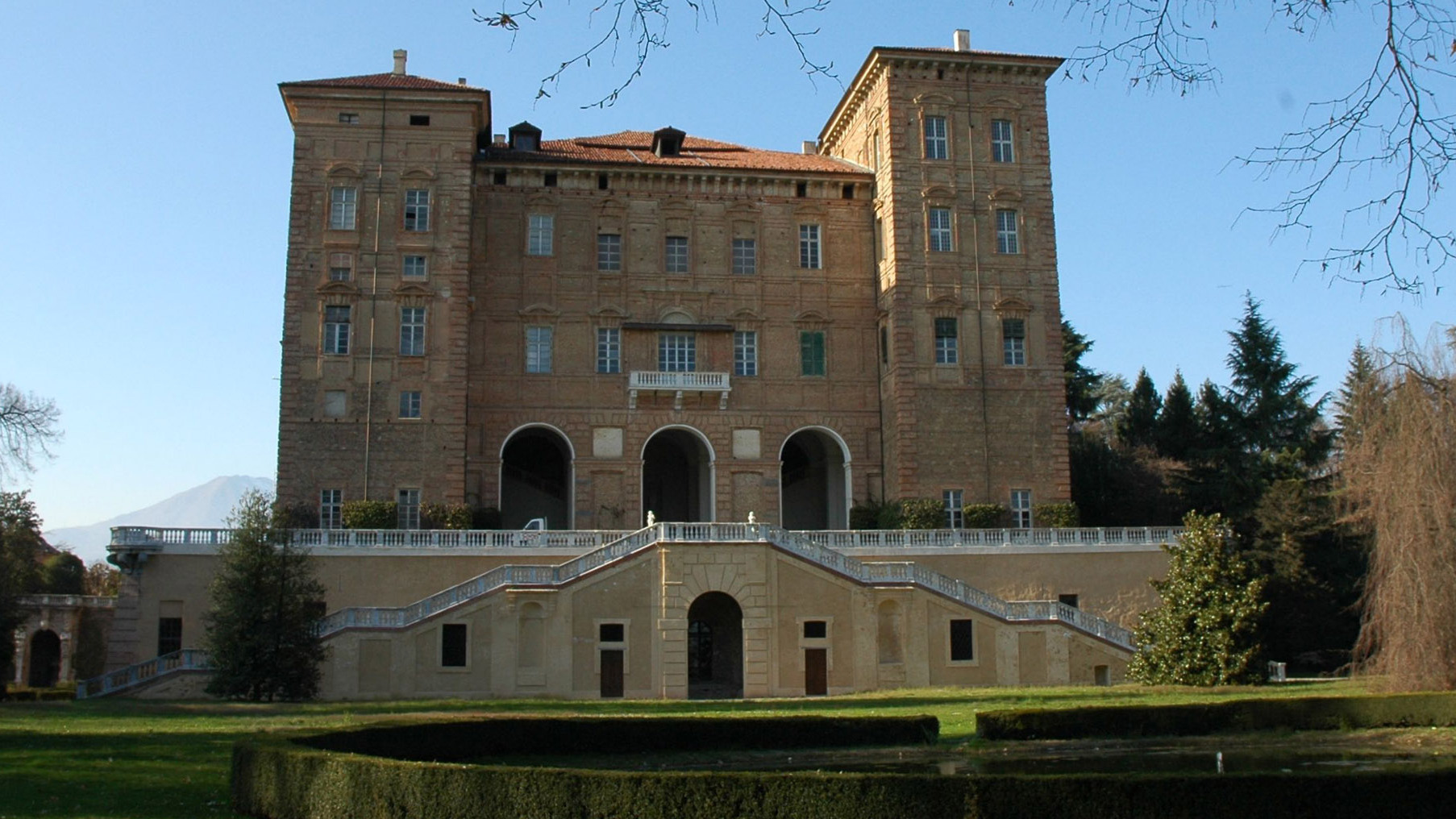
The ducal castle of Agliè is an elegant and imposing building located in the municipality of Agliè, not far from Turin.The castle, located in the homonymous town, is part of the Savoy Residences of Piedmont. It is a building with a quite particular architectural style as it is the sum of different styles that have succeeded each other over the centuries. The history of the Castle of Aglié begins in the Middle Ages, when the first nucleus of the construction dates back to. During the 17th century the Castle was owned by Filippo San Martino, councillor of Christine of France, who commissioned the architect Amedeo di Castellamonte to make several changes and additions to the estate. Among these are the remaking of the facade on the garden, the construction of two galleries and the palace courtyard. The Savoys bought the castle in the second half of the 18th century, making it a royal estate. They commissioned other additions and modifications to the castle, which in these years saw the construction of the apartments and the church, connected to the palace through a two-storey gallery. During the 19th century, after the years of Napoleonic domination in which the castle became a shelter, the estate returned to the hands of the Savoys. Under the reign of Carlo Felice, the Castle of Aglié underwent a major renovation of the interior furnishings. Again in the 19th century, the small lake, the large lake and the islands were built, which considerably changed the external appearance of the palace. The Castle of Aglié, sold to the Italian State in 1939 by Duke Tommaso di Savoia-Genova.


🗺 L'app dei tesori italiani

Plan your visit to Agliè

Suggested itinerary near The Ducal Castle of Agliè

MAJ+
500.000+ travelers worldwide
  1. 🌅
    Morning
    The Ducal Castle of Agliè
    📍 Agliè
  2. ☀️
    Afternoon
    Piedmontese Delights: The Duchess' Biscuit
    📍 2.8 km · Agliè
  3. 🌆
    Evening
    Village of San Giusto canavese
    📍 3.5 km · Agliè

Buy Unique Travel Experiences

Powered by Viator

See more on Viator.com

Explore nearby · Agliè

Frequently Asked Questions

The castle features a unique architectural style that blends different periods, as it has been modified and expanded over centuries. Notable transformations include 17th-century changes commissioned by Filippo San Martino, including a redesigned garden facade, two galleries, and a palace courtyard designed by architect Amedeo di Castellamonte.
The Ducal Castle of Agliè is located in the municipality of Agliè, which is not far from Turin, making it a convenient day trip for visitors exploring the Piedmont region. The castle is part of the prestigious Savoy Residences of Piedmont UNESCO World Heritage sites.
When the Savoys purchased the castle in the second half of the 18th century and made it a royal estate, they commissioned significant additions including new apartments, a church connected to the palace by a two-storey gallery, and later landscaping features. In the 19th century under Carlo Felice's reign, the castle underwent major interior renovations and the addition of a small lake, large lake, and islands that dramatically transformed its appearance.
The Castle of Agliè was sold to the Italian State in 1939 by Duke Tommaso di Savoia-Genova, ending centuries of private Savoy ownership. This transition made the castle accessible to the public as part of Italy's important cultural heritage sites.
Visitors can explore the elegantly furnished apartments, including those renovated during Carlo Felice's reign, the on-site church, the galleries constructed in the 17th century, and the palace courtyard. The castle's exterior features distinctive landscaping with lakes and islands that were added in the 19th century, offering scenic views of this architectural gem.