
← Back

The Dance of Death

Kermaria an Isquit, 22580 Plouha, Francia ★★★★☆ 181 views
Malika Dell
Plouha
🏆 AI Trip Planner 2026

Get the free app

Discover the best of Plouha with Secret World — the AI trip planner with 1M+ destinations. Get personalized itineraries, hidden gems and local tips. Free on iOS & Android.

🧠 AI Itineraries 🎒 Trip Toolkit 🎮 KnowWhere Game 🎧 Audio Guides 📹 Videos
Scan to download iOS / Android
Scan for AppGallery Huawei users

About The Dance of Death

The Dance of Death  - Plouha | Secret World Trip Planner

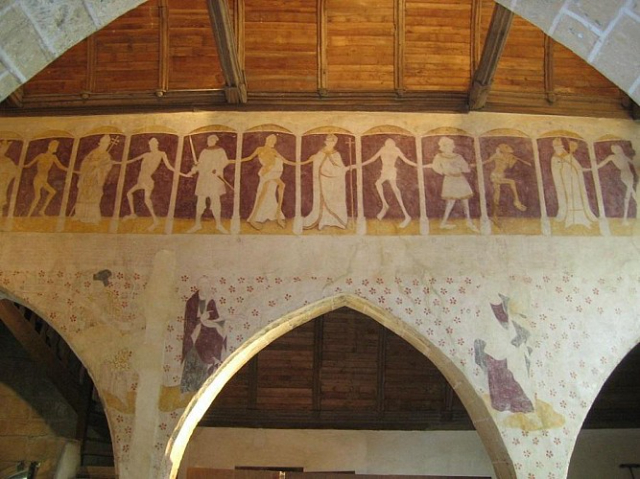
The Dance of Death at Chapelle Kermaria an Iskuit, also known as the Danse Macabre Fresco, is a fascinating medieval artwork located in Plouha, a commune in northern Brittany, France. The fresco is housed in the Chapelle Kermaria an Iskuit, a small chapel renowned for its exceptional collection of medieval art.
The Dance of Death  - Plouha | Secret World Trip Planner

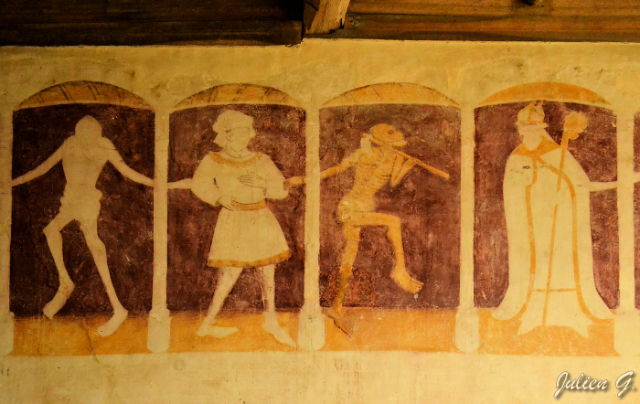
The Danse Macabre Fresco depicts a popular theme from the Middle Ages known as the Dance of Death. This artistic motif portrays a procession of figures, usually skeletons or skeletal figures, leading people from different walks of life, including kings, queens, clergy, peasants, and even children, in a dance that symbolizes the inevitability of death and the equality of all individuals in the face of mortality. The Dance of Death was a reminder of the transient nature of life and the need to prepare for death and the afterlife.

The fresco at Chapelle Kermaria an Iskuit is particularly remarkable due to its well-preserved state and the high level of detail in the artwork. It dates back to the 15th century and covers the interior walls of the chapel. The fresco consists of a series of scenes depicting various individuals being led by skeletons, often accompanied by symbolic elements such as hourglasses, shovels, and other reminders of mortality.

The Dance of Death  - Plouha | Secret World Trip Planner

The figures in the fresco are arranged in a procession, each engaged in different activities or professions, conveying a powerful message about the universality of death and its indiscriminate nature. The artwork serves as a reminder to the living to contemplate their mortality and consider their actions in light of the inevitable end.

Chapelle Kermaria an Iskuit, besides its stunning fresco, is an architectural gem itself, featuring Gothic elements and intricate stonework. It is a popular destination for art and history enthusiasts, providing a glimpse into medieval beliefs and artistic expressions.

Visitors to Plouha and the Chapelle Kermaria an Iskuit can experience the awe-inspiring Dance of Death fresco, appreciating its historical significance and the craftsmanship that went into creating it.


🗺 L'app dei tesori italiani

Plan your visit to Plouha

Suggested itinerary near The Dance of Death

MAJ+
500.000+ travelers worldwide
  1. 🌅
    Morning
    The Dance of Death
    📍 Plouha
  2. ☀️
    Afternoon
    Lanleff’s temple
    📍 5.3 km · Plouha
  3. 🌆
    Evening
    La Vapeur du Trieux,
    📍 11.5 km · Plouha

Buy Unique Travel Experiences

Powered by Viator

See more on Viator.com

Explore nearby · Plouha

Frequently Asked Questions

The Dance of Death fresco, also known as the Danse Macabre Fresco, is a 15th-century medieval artwork housed in Chapelle Kermaria an Iskuit in Plouha, Brittany. It depicts a procession of skeletal figures leading people from all walks of life—kings, clergy, peasants, and children—in a symbolic dance that represents the inevitability of death and the equality of all individuals before mortality.
Chapelle Kermaria an Iskuit is located in Plouha, a commune in northern Brittany, France. This small chapel is renowned for its exceptional collection of medieval art and serves as a significant destination for visitors interested in medieval history and artistic expressions.
The fresco is particularly remarkable due to its well-preserved state and exceptional level of detail, having survived since the 15th century. The artwork covers the interior walls of the chapel and retains its intricate scenes with symbolic elements such as hourglasses, shovels, and other reminders of mortality.
Beyond the stunning Dance of Death fresco, Chapelle Kermaria an Iskuit is an architectural gem featuring Gothic elements and intricate stonework. The chapel provides visitors with a comprehensive glimpse into medieval beliefs, artistic expressions, and the craftsmanship of the period.
The Dance of Death fresco served as a powerful memento mori, reminding the living to contemplate their mortality and the transient nature of life. The artwork conveyed that death is universal and indiscriminate, encouraging people to consider their actions and prepare for the afterlife regardless of their social status.