




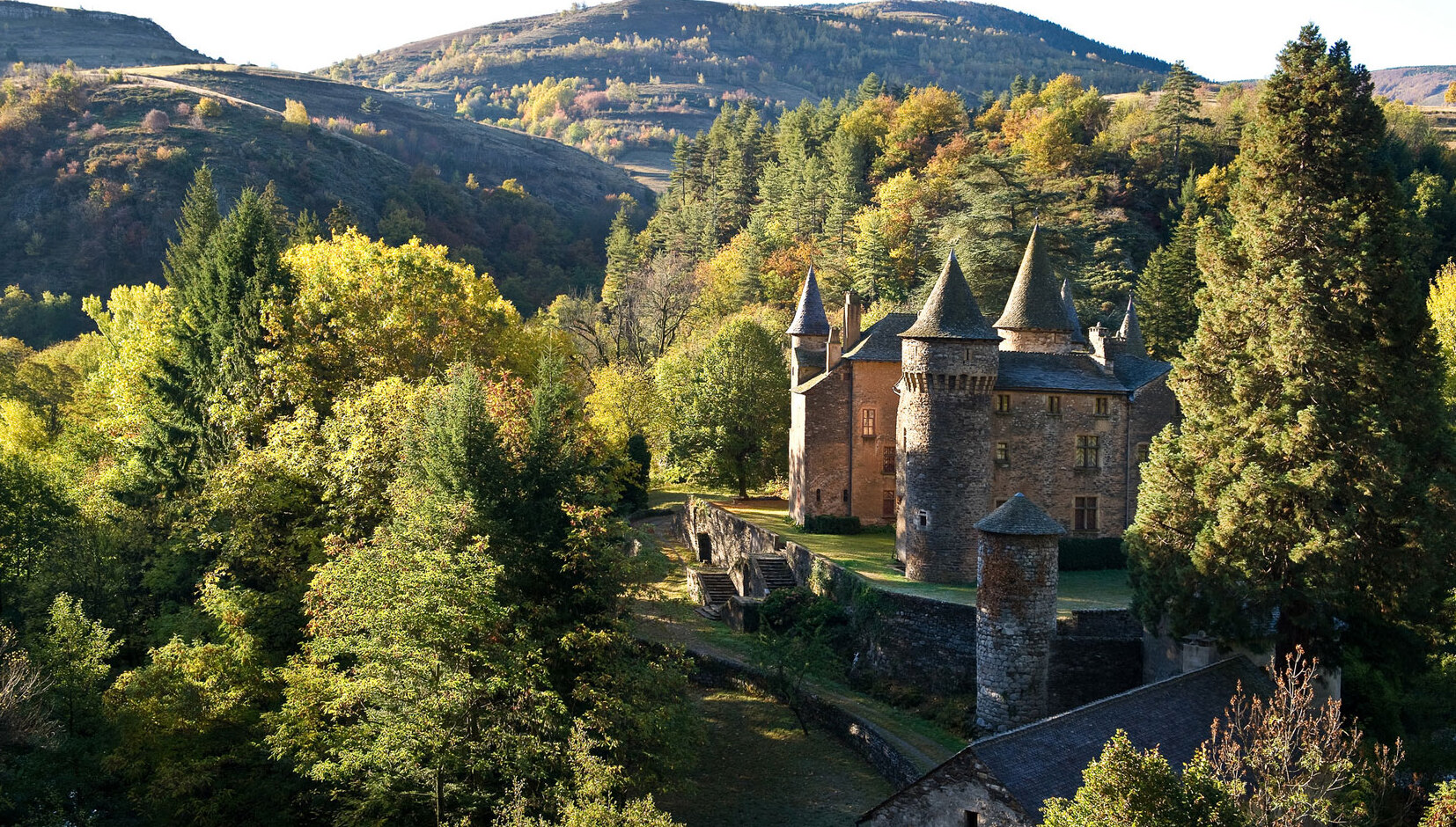
Nestled in the heart of the picturesque Lozère department in the Occitanie region of France, the Château du Champ is a captivating testament to the rich tapestry of French history and culture. First recorded in 1498, this medieval fortress has stood the test of time, bearing witness to centuries of transformation while maintaining its enigmatic allure.
The origins of the Château du Champ are steeped in the mists of the late Middle Ages, a period marked by feudal conflicts and the consolidation of territories. The initial construction of the keep, or donjon, laid the foundation for what would become a sprawling estate. By the 16th century, additional buildings had been erected, expanding the château into a more complex structure. Its strategic location in the Cévennes National Park offered both a defensive advantage and a serene retreat for its occupants.
The architectural style of the Château du Champ is an exquisite blend of medieval fortification and Renaissance elegance. The imposing donjon remains the centerpiece, a stark reminder of its martial origins. However, the later additions reflect a shift towards more refined aesthetics, characterized by ornate stonework and elegantly proportioned windows. Inside, visitors can find remnants of period artwork, including frescoes and tapestries that whisper tales of nobility and intrigue. The château’s design is a narrative carved in stone, illustrating the evolution of French architecture through the ages.
Beyond its walls, the château is deeply entwined with the local culture of Altier. This small commune, with its rustic charm, is a microcosm of the Cévennes’ rich traditions. The residents of Altier celebrate various festivals throughout the year, such as the Fête de la Transhumance, which marks the seasonal migration of livestock. These events offer a glimpse into the agrarian lifestyle that has sustained the region for generations.
The gastronomy of the region is as rich and diverse as its history. Visitors to Altier can indulge in Lozère’s traditional cuisine, which features hearty dishes like aligot—a creamy blend of mashed potatoes and local cheese—and caillettes, savory pork sausages wrapped in chard leaves. The nearby Aubrac Plateau is renowned for its beef, offering succulent cuts that are a staple in local fare. Accompanying these robust meals are regional wines, such as those from the Languedoc, which provide the perfect complement to the flavors of the land.
For those seeking lesser-known curiosities, the Château du Champ does not disappoint. It is said that the château was once a clandestine meeting place for Huguenots during the Wars of Religion in the 16th century. Hidden passageways and secluded chambers within the grounds hint at its secretive past. Furthermore, local lore speaks of a spectral inhabitant, a lady in white who is said to wander the halls by moonlight, adding an air of mystery to the château's storied past.
Visitors planning a trip to the Château du Champ should consider coming in the spring or early autumn. During these seasons, the surrounding landscapes burst into color, offering breathtaking views and pleasant temperatures for exploring the region's natural beauty. When visiting, be sure to take a leisurely stroll through the château’s gardens, which provide a peaceful retreat and a chance to appreciate the harmonious blend of nature and architecture.
In practical terms, reaching the Château du Champ is an adventure in itself. The winding roads of the Cévennes offer stunning vistas at every turn. While there, it’s advisable to allocate a full day to explore not only the château but also the quaint village of Altier. Local guides are available for those interested in a deeper dive into the château's history and secrets. Remember to check the opening hours in advance, as they can vary with the seasons.
The Château du Champ is more than just a historical monument; it is a gateway to the soul of the Lozère region. With its rich history, stunning architecture, and connection to local culture, it offers an immersive experience that captivates the imagination and enriches the spirit.