
🎄 Win a month in Italy for two — €10,000 · The Secret Italy Prize GO →
Templar Frederick Castle — Roseto Capo Spulico
← Back
Palaces, Villas and Castles 📍 Roseto Capo Spulico, Italy 497 views

Templar Frederick Castle

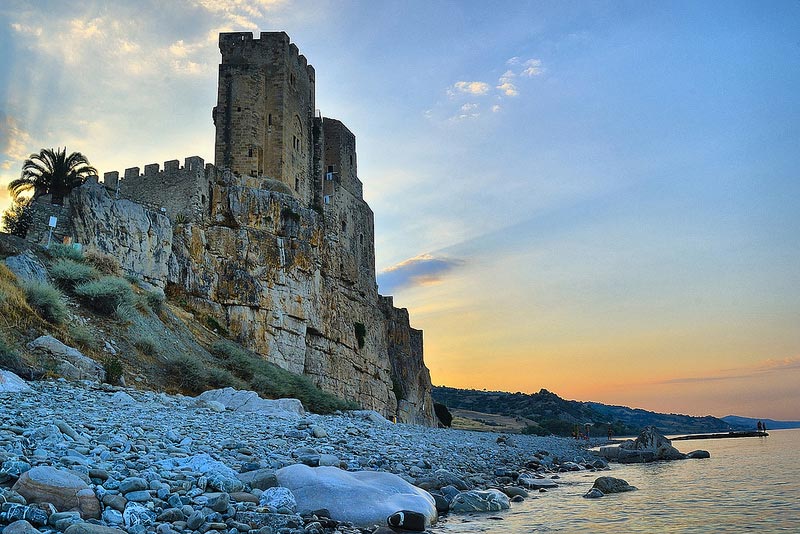
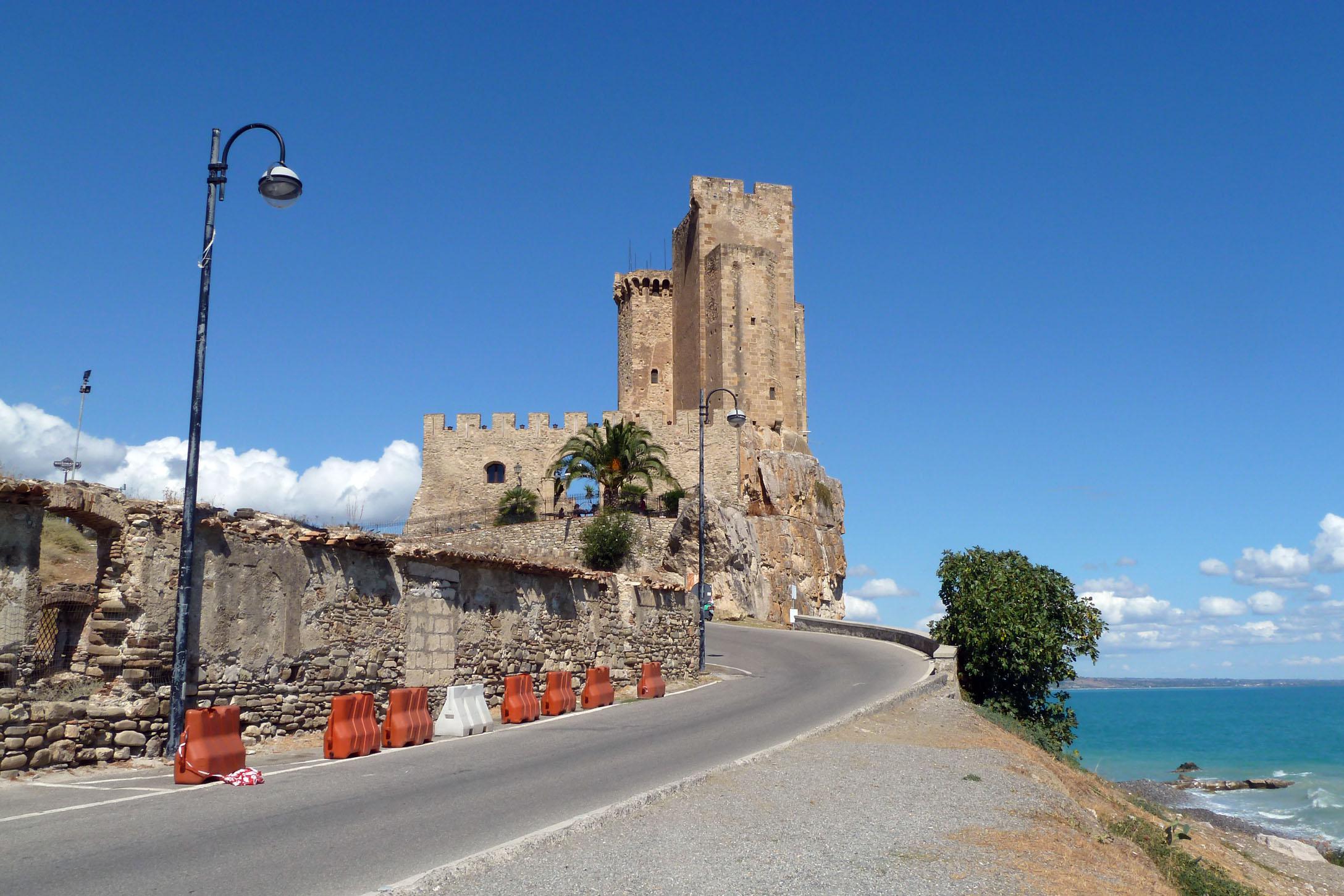
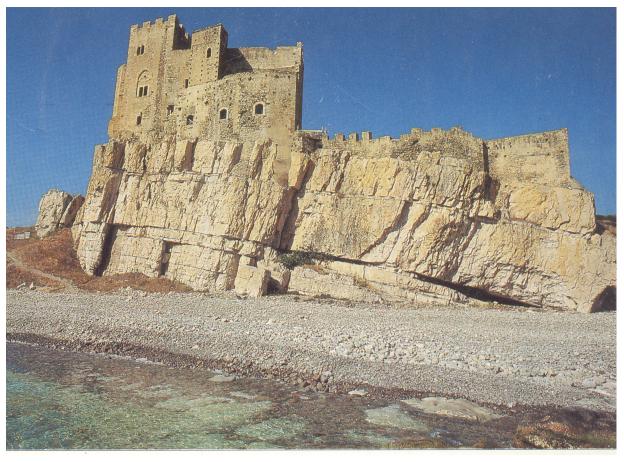
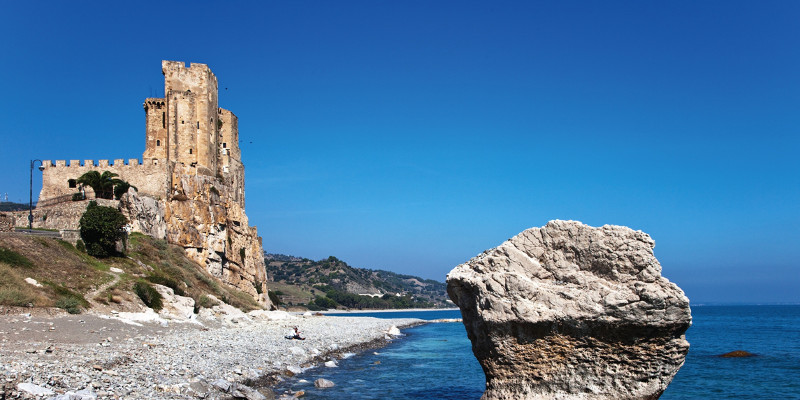
The castle of Roseto Capo Spulico (Alto Ionio Cosentino), firmly implanted on the cliff that juts out toward the sea, dates back to the 10th century. In fact, as recalled by St. Vitale of Castronuovo, it was on the "Petre Roseti" that the saint is said to have founded a monastery...

Photo · Diane M.

Templar Frederick Castle — Roseto Capo Spulico, Italy.

Location
Roseto Capo Spulico
Type
Palaces, Villas and Castles
Opening hours
Weather now
26°C
↗ Directions

About Templar Frederick Castle

Templar Frederick Castle - Roseto Capo Spulico | Secret World Trip Planner

The castle of Roseto Capo Spulico (Alto Ionio Cosentino), firmly implanted on the cliff that juts out toward the sea, dates back to the 10th century. In fact, as recalled by St. Vitale of Castronuovo, it was on the "Petre Roseti" that the saint is said to have founded a monastery, and in the 11th century on the ruins of the sacred building arose the "Castrum Petrae Roseti" by the Normans. At that time (1027-1154) the castle marked the boundary between the possessions of Robert Guiscard and his brother Roger I, grandfather of Constance of Altavilla (as the daughter of Roger II), the latter heir to the kingdom of Sicily and mother of Frederick II Hohenstaufen (1194-1250). In the post-Federician period, from the second half of the 13th century, it was adapted as a military fortress, so much so that from the Angevin records we know the extent of the garrison assigned to the fortress, which in 1275 turns out to consist of the castellan, a squire and twelve guards. But it is with Frederick II that the architectural artifact is included in the "Plan of the Castles" of 1230 wanted by the emperor on his return from the Sixth Crusade (1228). The same Frederick to whom the castle was very close to his heart, in his will, as reported, in "Monumenta Germaniae Historica, Legum sectio IV: Tomus II, n.274 "assigned the territory of Porta Roseti to his natural son Manfred while all the castles and especially the "Templar Petre Roseti," to his legitimate sons who would also be kings of Jerusalem. Today, after careful restoration works, it shines as a classic example of Templar-derived Frederician architecture (Barrio 1700) or Templar Fortress (D.Rotundo "Templars, Mysteries and Cathedrals." Ed.Templari-Roma 1983). The large courtyard surrounded by crenellated walls is closed by an archway bearing alchemical-Templar coats of arms such as the "Rose" and "Lilies" that make the "Castrum Petrae Roseti" a Temple of the Cistercian Order. A temple temple whose rose on the entrance channel is an alchemical symbol of the religious-military order of the Ishmaelites and Rosicrucians. Recently, to complete the historical investigation based on the Tsarist Archives there is news that, in the castle was kept, by Frederick II the Holy Shroud. This discovery is corroborated by the studies of Lapicides of the castle, which led to the reading of the "Griffin," which belonged to Frederick II and, to the "Seal of Solomon" which reproduces that of the time of Jerusalem.
Templar Frederick Castle - Roseto Capo Spulico | Secret World Trip Planner
✦ Secret World · suggested day

A perfect day in Roseto Capo Spulico

Start with Templar Frederick Castle, then continue with nearby places selected by Secret World.

  1. 01
    Morning
    Templar Frederick Castle
    📍 Roseto Capo Spulico
    Start here
  2. 02
    Afternoon
    📍 4.2 km away
  3. 03
    Evening
    📍 5.9 km away

Collect this place

Turn places you discover into stamps in your Secret Passport.

Open Secret Passport →

Keep exploring · Roseto Capo Spulico

Frequently Asked Questions

The castle dates back to the 10th century when St. Vitale of Castronuovo founded a monastery on the site, and by the 11th century the Normans built the 'Castrum Petrae Roseti' on its ruins. It served as a crucial boundary marker between the possessions of Robert Guiscard and Roger I, and later became a favored fortress of Frederick II Hohenstaufen, who included it in his 'Plan of the Castles' of 1230.
The castle features distinctive Templar-derived Frederician architecture with alchemical-Templar coats of arms including the 'Rose' and 'Lilies' symbols on its entrance, making it a Temple of the Cistercian Order. Its large courtyard surrounded by crenellated walls and architectural design are classic examples of Templar fortress construction from the medieval period.
The castle is located in Roseto Capo Spulico in the Alto Ionio Cosentino region, firmly planted on a cliff that juts out toward the sea in southern Italy. Its dramatic coastal position made it an ideal strategic defensive location throughout its long history.
After careful restoration works, visitors can see the large courtyard surrounded by crenellated walls, the distinctive archway bearing alchemical-Templar coats of arms with rose and lily symbols, and the architectural elements characteristic of Templar fortress design. The castle showcases the blend of military functionality and symbolic Templar heritage that defines this unique medieval structure.
Frederick II held the castle in such high regard that he specifically mentioned 'Templar Petre Roseti' in his will, assigning it to his legitimate sons who would be kings of Jerusalem. His personal attachment to the fortress is evident in his inclusion of it in his comprehensive 'Plan of the Castles' commissioned in 1230 upon his return from the Sixth Crusade.

Experiences nearby · Roseto Capo Spulico

Powered by Viator

See more on Viator.com