← Back

Staffolo | Museum of Wine Art

60039 Staffolo AN, Italia ★★★★☆ 292 views
Maya Kim
Staffolo
🏆 AI Trip Planner 2026

Get the free app

Discover the best of Staffolo with Secret World — the AI trip planner with 1M+ destinations. Get personalized itineraries, hidden gems and local tips. Free on iOS & Android.

🧠 AI Itineraries 🎒 Trip Toolkit 🎮 KnowWhere Game 🎧 Audio Guides 📹 Videos
Scan to download iOS / Android
Scan for AppGallery Huawei users

About Staffolo | Museum of Wine Art

Staffolo | Museum of Wine Art - Staffolo | Secret World Trip Planner

Nestled in the heart of the Marche region, Staffolo offers a delightful exploration of wine culture at the Museum of Wine Art. This small yet captivating museum is a testament to the area's deep-rooted viniculture. The history of wine production in Staffolo stretches back centuries, intertwined with the rich tapestry of Italian agricultural traditions. The museum, housed within the charming historical center, showcases an impressive collection of artifacts, including an ancient oak wine press from 1695, crafted with precision and care from local stone. Visitors can marvel at the 19th-century wooden capping frog, essential for sealing bottles, alongside unique hand-blown glass bottlers, barrels, and vats that reflect the craftsmanship of their time.

Staffolo | Museum of Wine Art - Staffolo | Secret World Trip Planner

Art and Architecture The museum's architecture is a blend of rustic charm and historical significance, with stone walls that whisper stories of the past. As you wander through the rooms, you’ll notice the careful curation of exhibits that celebrate the artistry inherent in winemaking. The design harmonizes with the surrounding medieval streets, creating an immersive experience that transports visitors to a time when wine was both a livelihood and a craft. The museum's layout encourages exploration, allowing guests to engage with the artifacts while enjoying the backdrop of Staffolo's picturesque streets.

Local Culture and Traditions Staffolo is not only about wine; it embodies a vibrant culture shaped by its people and traditions. The town hosts various festivals throughout the year, such as the Sagra del Vino, a wine festival that celebrates local producers and their exquisite offerings. This event typically features tastings, live music, and traditional dances, inviting locals and tourists alike to revel in the joyous atmosphere. Additionally, the Festa della Vendemmia, or Harvest Festival, is celebrated in September, marking the grape harvest with parades, food stalls, and communal feasts, encapsulating the essence of the community's connection to the land.
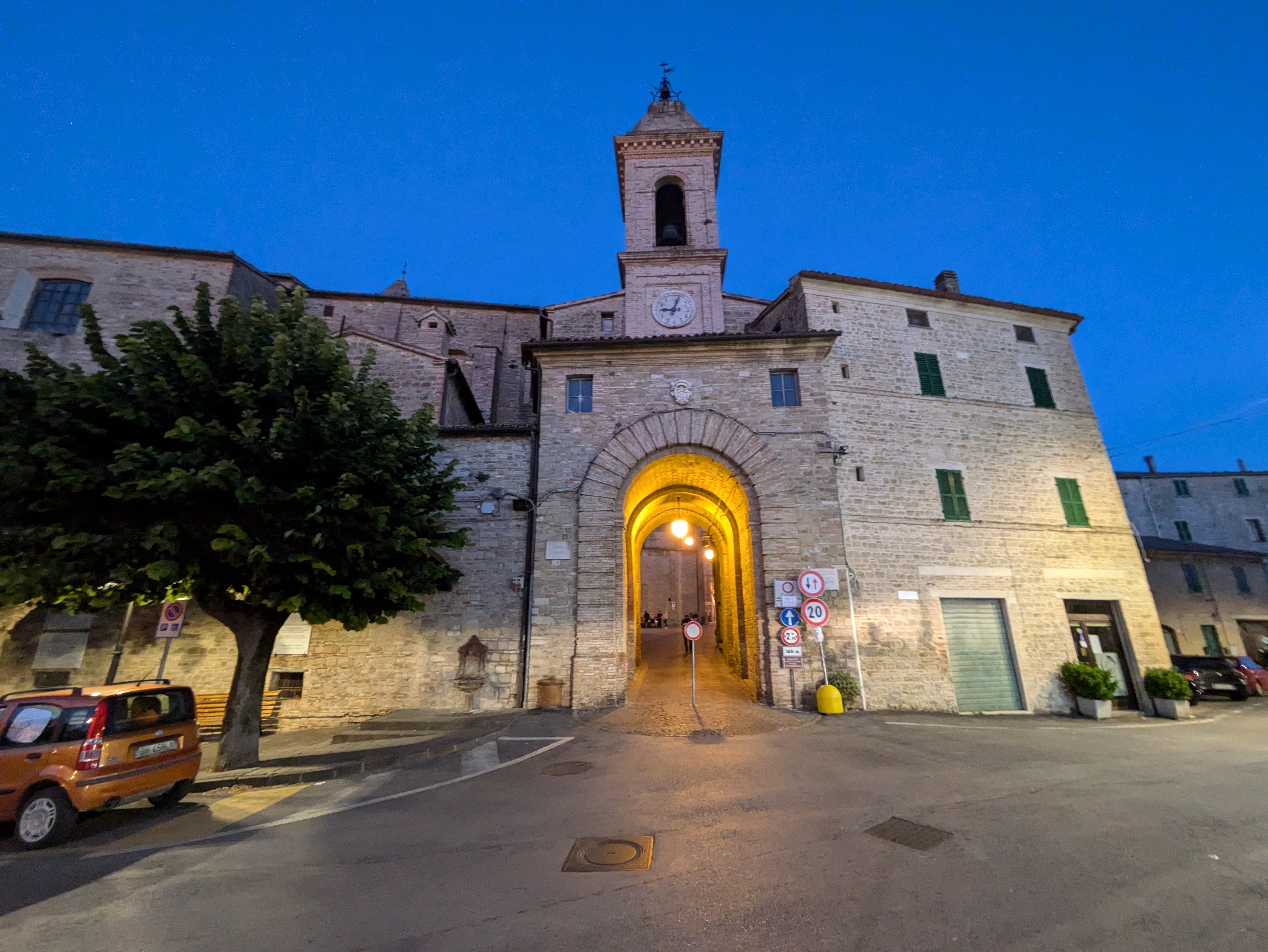
Staffolo | Museum of Wine Art - Staffolo | Secret World Trip Planner

Gastronomy A visit to Staffolo would be incomplete without indulging in its culinary delights. The region is known for its Verdicchio wines, particularly the Verdicchio dei Castelli di Jesi, renowned for its crispness and aromatic complexity. Pairing perfectly with local dishes, the wines elevate the gastronomic experience. Traditional foods include crescia (a type of flatbread), olive all’ascolana (stuffed olives), and the rich stracciatella cheese, all of which highlight the area's agricultural bounty. Many restaurants in Staffolo offer farm-to-table dining, where you can savor the flavors of the Marche region while enjoying breathtaking views of the rolling hills.

Lesser-Known Curiosities While the Museum of Wine Art is a central attraction, there are lesser-known gems scattered throughout Staffolo. One such curiosity is the ancient Fountain of the Seven Spouts, which dates back to the 15th century and is said to provide water that brings good fortune. Additionally, Staffolo is home to a unique tradition known as


🗺 L'app dei tesori italiani

Plan your visit to Staffolo

Suggested itinerary near Staffolo | Museum of Wine Art

MAJ+
500.000+ travelers worldwide
  1. 🌅
    Morning
    Staffolo | Museum of Wine Art
    📍 Staffolo
  2. ☀️
    Afternoon
    Roman Bridge of the Intagliata
    📍 4.5 km · Staffolo
  3. 🌆
    Evening
    International Wine Label Museum
    📍 5.5 km · Staffolo

Buy Unique Travel Experiences

Powered by Viator

See more on Viator.com

Explore nearby · Staffolo

Frequently Asked Questions

The Museum of Wine Art is located in Staffolo's charming historical center and showcases the region's centuries-old wine production heritage through an impressive collection of artifacts. Highlights include an ancient oak wine press from 1695 made from local stone, a 19th-century wooden capping frog used for sealing bottles, and unique hand-blown glass bottlers, barrels, and vats that demonstrate the craftsmanship of past winemakers.
The best times to experience Staffolo's wine culture are during the Sagra del Vino wine festival, which celebrates local producers with tastings, live music, and traditional dances, and the Festa della Vendemmia (Harvest Festival) held in September that marks the grape harvest with parades and food stalls. Both events offer immersive cultural experiences that showcase the town's vibrant traditions.
Staffolo is nestled in the heart of the Marche region in Italy, a picturesque area known for its deep-rooted viniculture and agricultural traditions. The town's medieval streets and historical center create an authentic Italian village experience that perfectly complements its renowned wine heritage.
Wine production in Staffolo has a centuries-long history intertwined with Italian agricultural traditions, as evidenced by artifacts like the ancient oak wine press dating back to 1695. This heritage is carefully preserved and celebrated through the Museum of Wine Art, which documents the evolution of local winemaking techniques and craftsmanship.
The Museum of Wine Art features a blend of rustic charm and historical significance with stone walls that reflect the region's past, harmonizing perfectly with Staffolo's surrounding medieval streets. The museum's thoughtful layout encourages exploration, allowing visitors to engage with winemaking artifacts while enjoying the immersive backdrop of the town's picturesque historical architecture.