





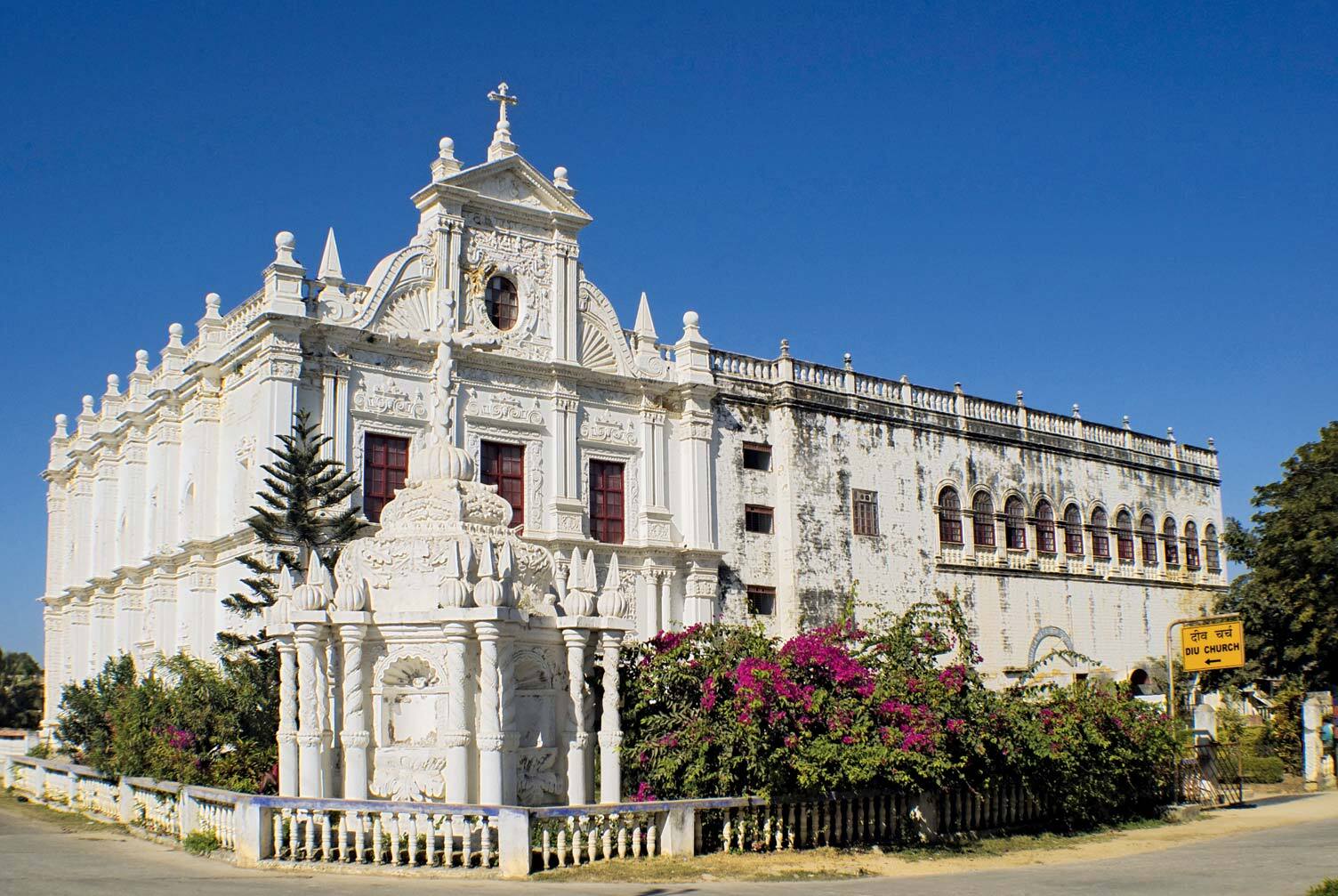
Nestled on the scenic shores of Diu, St. Paul’s Church stands as a remarkable testament to the island's colonial past and cultural richness. Constructed between 1593 and 1601, this church is dedicated to Our Lady of Immaculate Conception and is a prime example of Gothic architecture, showcasing the Portuguese influence that permeated the region during their rule. The church is not just an architectural marvel; it is also a vibrant part of the local culture, representing the blending of traditions and histories that define Diu.
### History and Origins The roots of St. Paul’s Church trace back to the late 16th century when the Portuguese sought to establish a stronghold in the Diu archipelago. The island played a crucial role in maritime trade routes, making it a significant strategic location. The church, completed in 1601, was primarily built as a symbol of faith and resilience amidst the tumultuous times of colonial expansion. Notably, the church is often compared to the Basilica of Bom Jesus in Goa, another splendid example of Portuguese ecclesiastical architecture.
Throughout its history, St. Paul’s Church has withstood numerous challenges, including the dwindling influence of the Portuguese in India and the eventual transfer of Diu to Indian control in 1961. Yet, it has remained a beloved landmark, drawing visitors who are eager to explore its rich heritage.

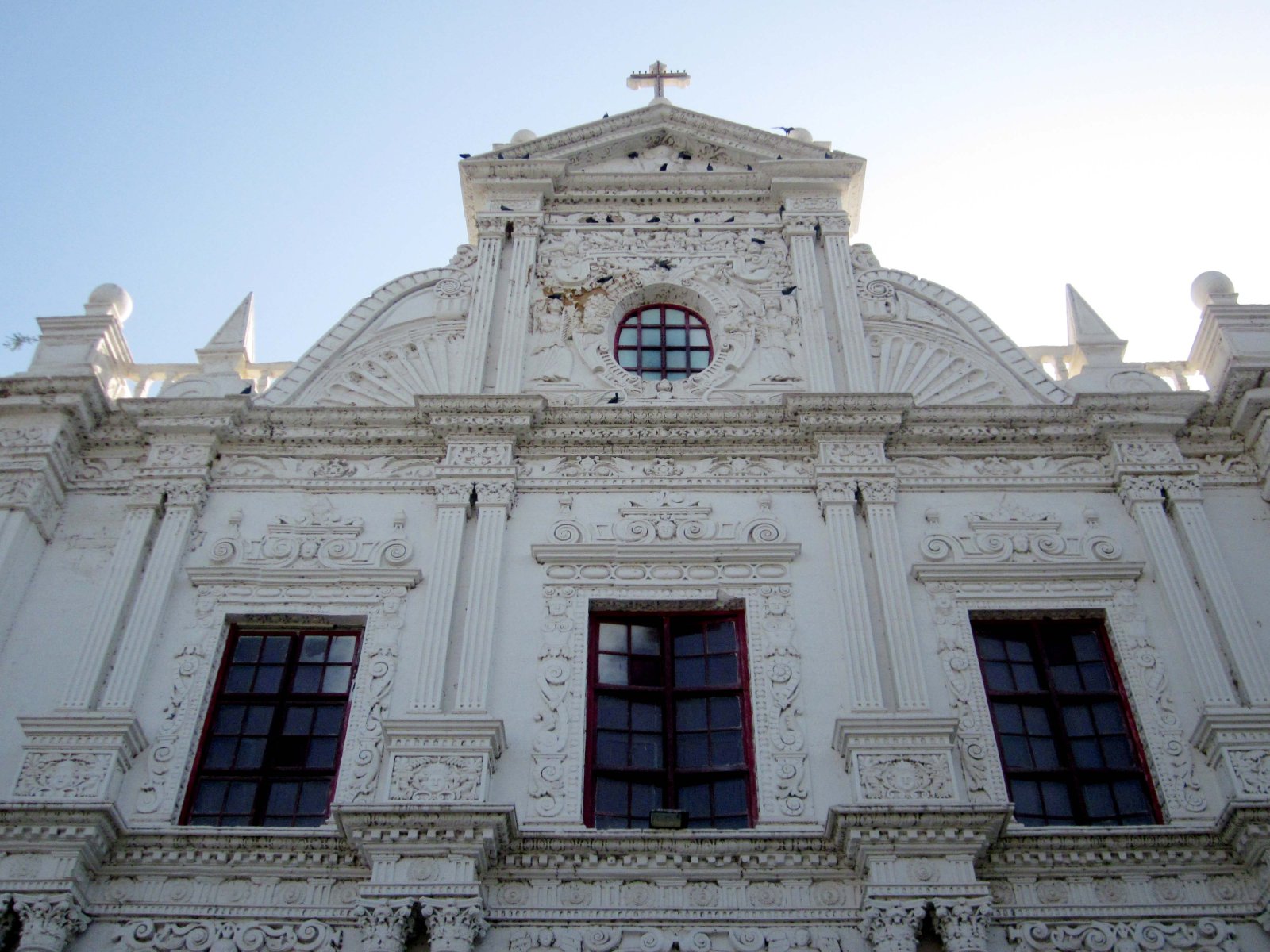
### Art and Architecture The church’s architectural style is predominantly Gothic, characterized by pointed arches, ribbed vaults, and flying buttresses. However, it also incorporates elements of Mannerism, which is evident in its ornate façade and intricate detailing. Inside, visitors are greeted by stunning wood paneling, widely regarded as the finest in Diu. The wooden altars and intricately carved benches display the craftsmanship of Portuguese artisans, reflecting their dedication to beauty and artistry.
The interior is adorned with vibrant wall paintings that depict various scenes from the Bible, further highlighting the church's artistic significance. The play of light through stained glass windows casts a kaleidoscope of colors, creating a serene and contemplative atmosphere that invites visitors to pause and reflect.
### Local Culture and Traditions Diu is a melting pot of cultures, and St. Paul’s Church serves as a focal point for many local traditions. The Feast of Our Lady of Immaculate Conception, celebrated in early December, attracts both locals and tourists. This vibrant festival is marked by processions, traditional dances, and a spirit of togetherness, showcasing the rich cultural tapestry of the island.
The church is also a place of solace for devotees, drawing people from various backgrounds who come to pray and seek blessings. The harmonious coexistence of different faiths is a testament to Diu’s inclusive culture, where traditions are respected and celebrated.
### Gastronomy No visit to Diu is complete without indulging in its local cuisine, which reflects a mix of Indian and Portuguese influences. Seafood lovers will revel in the fresh catch available at local eateries, with dishes such as prawn curry, fish vindaloo, and xacuti being particularly popular. Feni, a traditional fermented drink made from cashew apples or coconut sap, is a must-try for those seeking an authentic taste of the region. Many restaurants near the church offer dining experiences that include these delightful local delicacies.
### Lesser-known Curiosities While many tourists flock to St. Paul’s Church for its beauty, few are aware of its fascinating secrets. For instance, the church houses a bamboo cross that is said to have miraculous properties, attracting pilgrims who seek healing. Additionally, the church’s bell, which is one of the oldest in the region, has a unique sound that resonates across the island, a charming detail often missed by visitors.
The church also features a small museum displaying artifacts related to its history, allowing visitors to delve deeper into the cultural significance of this sacred space.
### Practical Visitor Information The best time to visit Diu and St. Paul’s Church is between October and March, when the weather is pleasantly cool and ideal for exploring. It is advisable to dress modestly, respecting the sanctity of the church, and to be mindful of ongoing services when planning your visit.
Take time to explore the surrounding area, which is dotted with quaint cafes and shops. Be sure to look up local guides who can share stories and insights about the church’s history and its impact on the community.
As you wander through the tranquil space of St. Paul’s Church, take a moment to soak in the serene ambiance and reflect on the rich tapestry of history and culture that Diu embodies. For a truly personalized experience, consider using the Secret World app to plan your itinerary and discover hidden gems in this beautiful coastal town.