





← Back

Solna Church

Prostvägen 14, 171 64 Solna, Svezia ★★★★☆ 205 views
Lana De Blase
Prostvägen 14
🏆 AI Trip Planner 2026

Get the free app

Discover the best of Prostvägen 14 with Secret World — the AI trip planner with 1M+ destinations. Get personalized itineraries, hidden gems and local tips. Free on iOS & Android.

🧠 AI Itineraries 🎒 Trip Toolkit 🎮 KnowWhere Game 🎧 Audio Guides 📹 Videos
Scan to download iOS / Android
Scan for AppGallery Huawei users

About Solna Church

Solna Church - Prostvägen 14 | Secret World Trip Planner

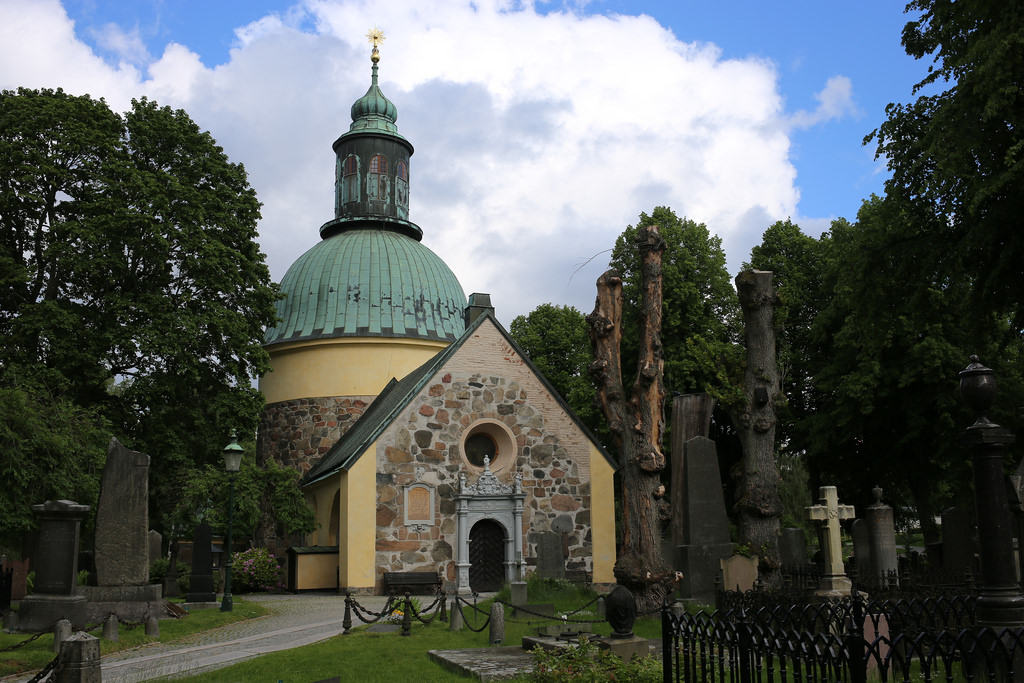
The medieval church of Solna is a so-called round church. The oldest part of the church, the roundhouse, originates from the late 12th century, and was especially built for defense purposes. Attached to this round center is a weaponhouse (south), a rectangular choir to the east, and a rectangular nave to the west. North of the choir is the sacristy, and to the east an octagonal grave choir. There is a second grave choir on the south side of the nave. The roundhouse (central tower) is covered by a tall cupola, which dominates the appearance of the church. The choir was added in the 13th century. The oldest part of the nave is from the 14th century, and was extended during the 15th century, when the weaponhouse and sacristy were built.

Solna Church - Prostvägen 14 | Secret World Trip Planner

The church achieved large parts of its interior under the patronage of Magnus Gabriel de la Gardie. In 1674 the western portal was added, a sculptured portal originally constructed for Karlbergs slott in 1637, and moved to Solna church in 1674. In 1708 Queen Ulrika Eleonora commissioned a grave choir dedicated to count Tomas Polus. The roof was destroyed in a fire in 1723, and the current cupola was built after this incident. The Lange grave choir was constructed in the 1780s. In 1883 the church was given a roof of copper plates. A major restoration took place in 1928 under supervision of architect Erik Fant, when the church's medieval paintings were recovered. The medieval murals from ca. 1440 are attributed to Albertus Pictor.

The choir is dominated by the altar centre-piece, sculpted in wood in 1666 by Hans Jerling. The centre-piece frames two oil paintings with biblical motifs, and is crowned by a wood-sculptured Madonna from the late 16th century, while the altar is made of brick and covered by a limestone plate.

References: Wikipedia

🗺 L'app dei tesori italiani

Plan your visit to Prostvägen 14

Suggested itinerary near Solna Church

MAJ+
500.000+ travelers worldwide
  1. 🌅
    Morning
    Solna Church
    📍 Prostvägen 14
  2. ☀️
    Afternoon
    Gustav III's Pavilion
    📍 1.2 km · Prostvägen 14
  3. 🌆
    Evening
    Kristineberg Palace in Kungsholmen
    📍 2.4 km · Prostvägen 14

Buy Unique Travel Experiences

Powered by Viator

See more on Viator.com

Explore nearby · Prostvägen 14

Frequently Asked Questions

Solna Church is a rare medieval round church, with its oldest part—the roundhouse—dating from the late 12th century and originally built for defense purposes. The distinctive tall cupola that dominates the church's appearance was reconstructed after a fire destroyed the roof in 1723, creating its iconic silhouette.
The church features remarkable medieval murals from around 1440 attributed to the renowned artist Albertus Pictor, which were recovered during a major restoration in 1928. The choir also showcases a stunning wooden altar centerpiece sculpted by Hans Jerling in 1666, crowned with a late 16th-century wood-sculptured Madonna.
The western portal was added in 1674, featuring an ornate sculptured design that was originally constructed for Karlbergs slott in 1637 before being relocated to Solna Church. This portal is a notable example of 17th-century craftsmanship and adds significant architectural interest to the church's western entrance.
Queen Ulrika Eleonora commissioned a grave choir dedicated to Count Tomas Polus in 1708, and the Lange grave choir was constructed in the 1780s. The church also benefited greatly from the patronage of Magnus Gabriel de la Gardie, who was instrumental in developing much of the church's interior.
A major restoration took place in 1928 under the supervision of architect Erik Fant, during which the church's remarkable medieval paintings were recovered and preserved. Prior to this, in 1883, the church was given a new roof of copper plates, helping protect the historic structure from further deterioration.