
← Back

Sicilian Cannoli

90037 Piana degli Albanesi PA, Italia ★★★★☆ 185 views
Giovanna Houston
Piana degli Albanesi
🏆 AI Trip Planner 2026

Get the free app

Discover the best of Piana degli Albanesi with Secret World — the AI trip planner with 1M+ destinations. Get personalized itineraries, hidden gems and local tips. Free on iOS & Android.

🧠 AI Itineraries 🎒 Trip Toolkit 🎮 KnowWhere Game 🎧 Audio Guides 📹 Videos
Scan to download iOS / Android
Scan for AppGallery Huawei users

About Sicilian Cannoli

Sicilian Cannoli - Piana degli Albanesi | Secret World Trip Planner

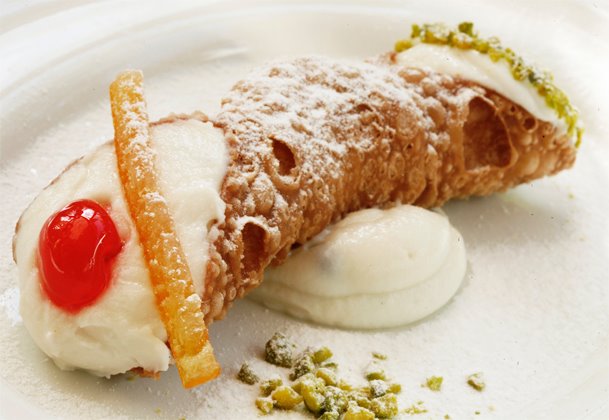
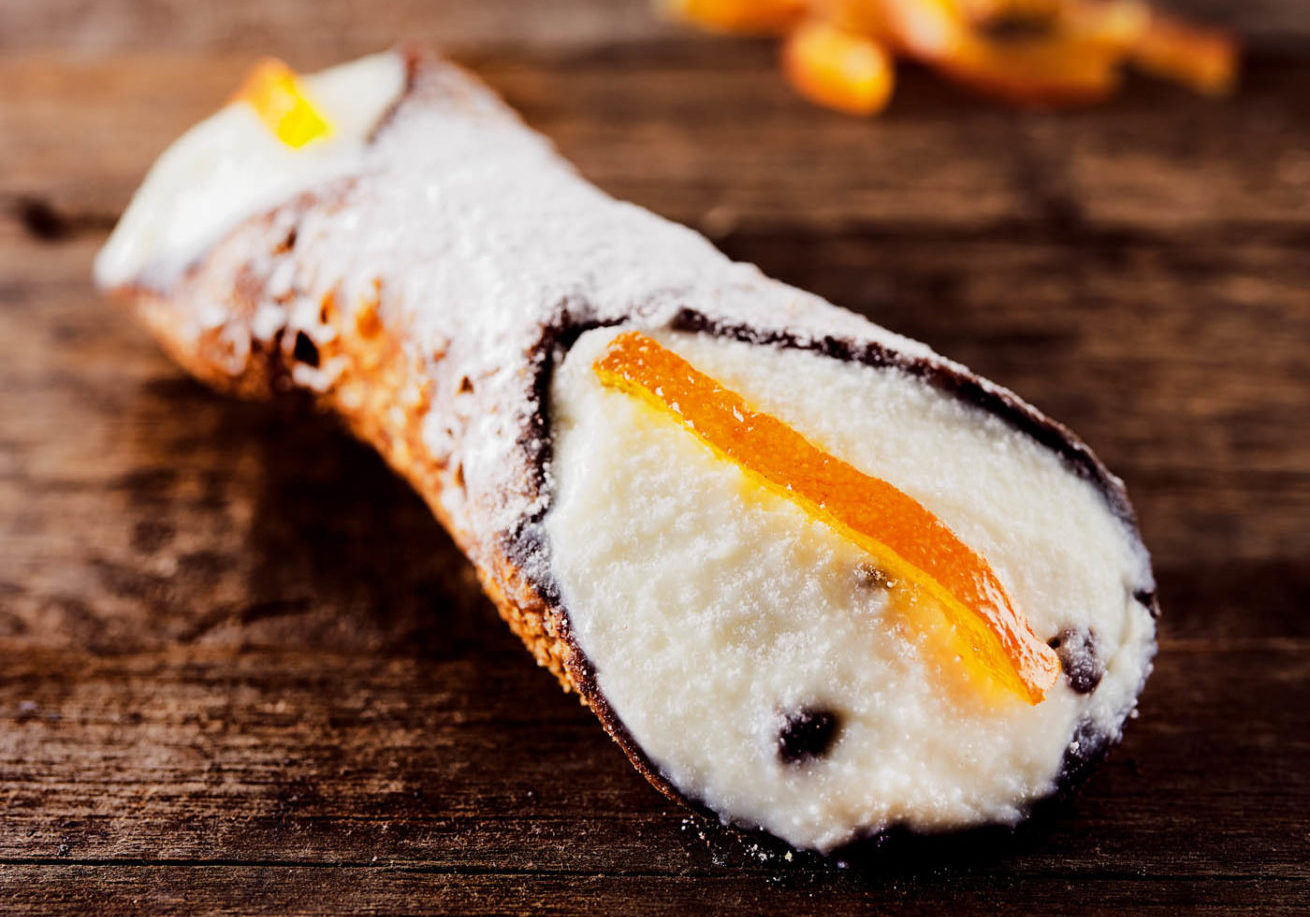
According to one legend, the birth of cannoli took place in Caltanissetta, "Kalt El Nissa," a locution that in Arabic means "Castle of the women," at that time the seat of numerous harems of Saracen emirs.Today's Sicilian cannolo would therefore have ancient origins, although it has undergone several transformations over the centuries, and its ancestor may have been a banana-shaped sweet, filled with ricotta cheese almonds and honey. The most credited hypothesis would be that the emir's favorites, in order to pass the time, devoted themselves to the preparation of delicious dishes, especially sweets, and in one of their many culinary experiments they would have "invented" the cannoli, an obvious allusion to the sultan's "talents." Another source, however, relates that cannoli were first prepared in a convent also near Caltanissetta. It is said that on the occasion of Carnival, the nuns "invented" a dessert consisting of a wrapper ("scorcia") filled with a cream of ricotta and sugar and enriched with chunks of chocolate and almond granules (cucuzzata). Whether nuns or concubines, "these women, made different by their vow of chastity, probably in their innermost selves were not so different when faced with the voluptuous pleasure offered by the magnificent dessert." We certainly know that its roots go back to Arab rule in Sicily (827 to 1091).
Sicilian Cannoli - Piana degli Albanesi | Secret World Trip Planner
🗺 L'app dei tesori italiani

Plan your visit to Piana degli Albanesi

Suggested itinerary near Sicilian Cannoli

MAJ+
500.000+ travelers worldwide
  1. 🌅
    Morning
    Sicilian Cannoli
    📍 Piana degli Albanesi
  2. ☀️
    Afternoon
    The Archaeological Excavations of Monte Jato
    📍 8.4 km · Piana degli Albanesi
  3. 🌆
    Evening
    The Norman heritage of Sicily: The Palatine Chapel,
    📍 14.2 km · Piana degli Albanesi

Buy Unique Travel Experiences

Powered by Viator

See more on Viator.com

Explore nearby · Piana degli Albanesi

Frequently Asked Questions

The most credited origin of cannoli is Caltanissetta, which means 'Castle of the women' in Arabic, a location that housed harems of Saracen emirs during Arab rule in Sicily (827-1091). The dessert's ancestor is believed to have been a banana-shaped sweet filled with ricotta cheese, almonds, and honey that underwent several transformations over the centuries.
One popular legend credits the favorite concubines of Saracen emirs in Caltanissetta, who invented cannoli during their culinary experiments as a sensual allusion to the sultan's talents. Another credible source attributes the invention to nuns in a convent near Caltanissetta, who created them for Carnival celebrations with ricotta cream, chocolate chunks, and almond granules.
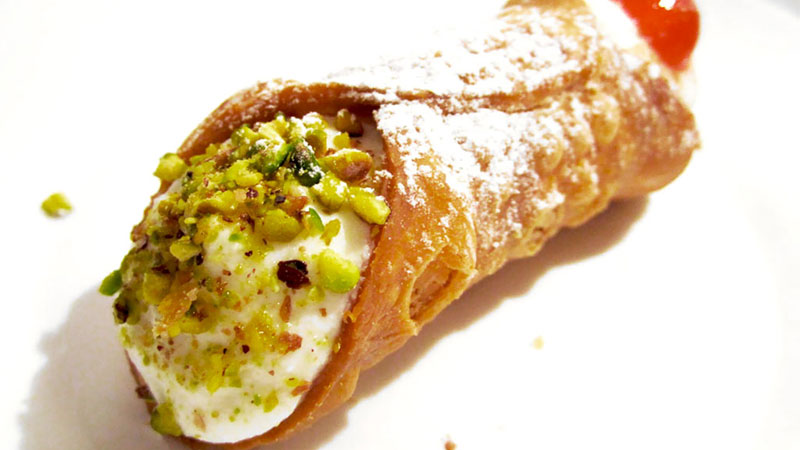
Traditional Sicilian cannoli consist of a crispy pastry shell called a 'scorcia' filled with a cream made from ricotta and sugar, enriched with chunks of chocolate and almond granules (cucuzzata). The original recipes from both the harem and convent traditions featured these basic components that remain popular in Sicily today.
Cannoli's roots trace back to the Arab rule in Sicily, which lasted from 827 to 1091, making them over a thousand years old. They likely evolved from earlier sweet preparations into the recognizable form we know today through multiple cultural influences during this medieval period.
Cannoli are traditionally associated with Carnival celebrations in Sicily, making this the most festive time to enjoy them in their historical context, particularly in Caltanissetta where they were invented. However, these beloved pastries are available and celebrated year-round throughout the region as an iconic Sicilian dessert.