In the heart of Naha, the capital of Okinawa Prefecture in Japan, stands majestically Shuri Castle, a symbol of a rich and fascinating history. This UNESCO World Heritage site represents the ancient Ryukyu Kingdom, a time when Okinawa thrived as a crossroads of Asian cultures. With origins dating back to the Ryukyu Kingdom period, Shuri Castle is not only a place of great historical value but also an icon of local culture.
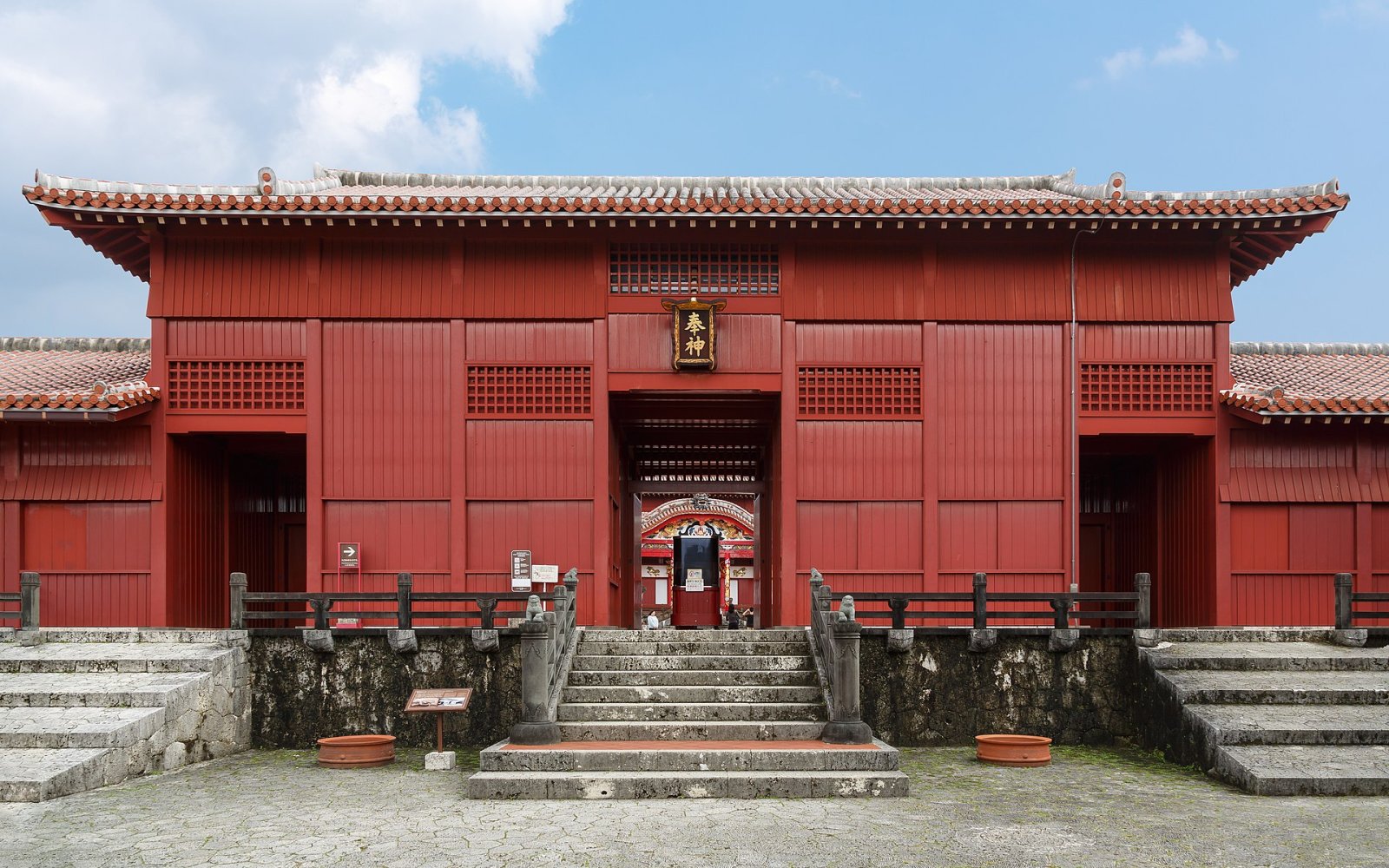
Visiting it means immersing oneself in a past that tells of trade exchanges, cultural influences, and a unique identity. The architectural structure of the castle, with its red roofs and elaborate decorations, is a clear reflection of the fusion of Japanese and Chinese styles, testifying to Okinawa's importance in the Asian context.
History and Origins

Shuri Castle played a central role in Okinawa's history, serving as the residence of the sovereign of the Ryukyu Kingdom. Although the precise origins of the castle are shrouded in the mists of history, it is known to have undergone numerous renovations and restorations over the centuries. Its strategic location allowed Okinawa to become a meeting point for merchants and travelers, contributing to its prosperity and cultural development.
In 1879, with the annexation of Okinawa to Japan, the castle underwent a change in function, becoming a symbol of the loss of the kingdom's independence. However, its history does not stop there: after the devastation of World War II, the castle was rebuilt, uniting the efforts of the local community and Japanese authorities to preserve this important historical site.
Elements to Observe
Inside Shuri Castle, visitors can admire a series of unique architectural elements, such as the ornate doors and the gardens surrounding the structure. Every detail tells a story, from traditional decorations to symbols representing Ryukyu culture. In particular, the main hall, with its stunning vaulted ceiling, offers a fascinating glimpse into the life and traditions of the kingdom.
Don't miss the opportunity to stroll through the castle gardens, where the beauty of the local flora merges with the serenity of the landscape. These green spaces not only provide a refuge from the hustle and bustle of the city but are also the ideal place to reflect on the history and cultural significance of this site.
Why It Is Interesting Today
Today, Shuri Castle is not just a historical monument but also a vibrant cultural center, hosting events, exhibitions, and festivals that celebrate Okinawa's culture. Its importance is amplified by the fact that it represents a tangible link to the historical and cultural roots of the region, attracting visitors from around the world eager to discover its beauty and history.
In an era where tourism is constantly evolving, Shuri Castle offers a unique opportunity to understand the challenges and transformations that Okinawa has faced throughout its history. Visiting the castle also means supporting the preservation of a cultural heritage that continues to influence the lives of the island's inhabitants.
Practical Information for Visitors
For those wishing to visit Shuri Castle, it is important to plan ahead. The castle is easily accessible from downtown Naha and offers several public transport options. Opening hours may vary, so it is advisable to check the official website before your visit. Additionally, audio guides are available in various languages, enriching the experience and providing interesting details about the site's history.
Finally, don't forget to explore the surroundings of the castle, where there are souvenir shops and restaurants offering local specialties. For an even more complete experience, consider using the Secret World app, which offers additional information and tips for your trip.