





← Back

Shahr-i Sokhta, the Pompeii of the East

Shahr-i Sokhta, Iran ★★★★☆ 587 views
Rosalinda Marino
Shahr-i Sokhta
🏆 AI Trip Planner 2026

Get the free app

Discover the best of Shahr-i Sokhta with Secret World — the AI trip planner with 1M+ destinations. Get personalized itineraries, hidden gems and local tips. Free on iOS & Android.

🧠 AI Itineraries 🎒 Trip Toolkit 🎮 KnowWhere Game 🎧 Audio Guides 📹 Videos
Scan to download iOS / Android
Scan for AppGallery Huawei users

About Shahr-i Sokhta, the Pompeii of the East

Shahr-i Sokhta, the Pompeii of the East - Shahr-i Sokhta | Secret World Trip Planner

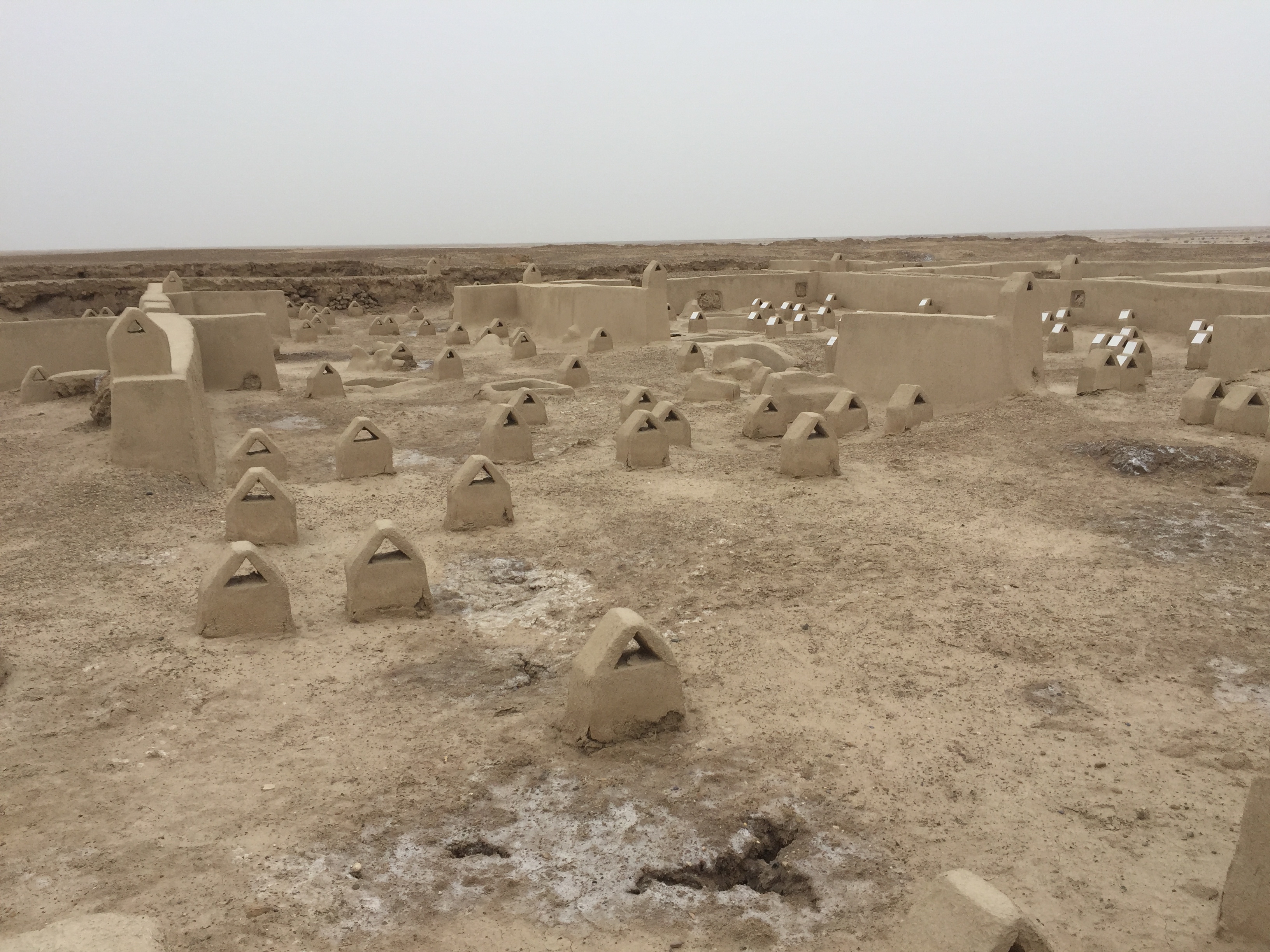
It is called the Pompeii of the East, but what destroyed and preserved it was not a volcano but the sands of the salty desert of Lut. Shahr-i Sokhta, in the heights of Baluchistan, in Iran, is a still image of history. Shahr-e Sukhte the "Burnt City" is an archaeological site dating back to the Bronze Age. It is an urban settlement attributable to the Jiroft Culture. The site is the subject of an international multidisciplinary Archaeological Project launched in 2016 by the Department of Cultural Heritage of the University of Salento, which is funding it with the Ministry of Foreign Affairs and private entities. The mission works jointly Mansur Sajjadi for the Iranian Center for Archaeological Research (who have been excavating in Shahr-i Sokhta since 1997). Founded around the second half of the fourth millennium B.C. in the area of Sistan, not far from the borders with Pakistan and Afghanistan, collapsed around the second millennium B.C. for causes still unknown and on the UNESCO list for its "universal value", Shahr-i Sokhta was a flourishing centre of trade and agriculture, located between four great river civilisations: Oxus, Indus, Tigris-Euphrates and Halil. The site covers an area of 151 ha and represents one of the oldest and largest cities in the world. The saline concretions have sealed artifacts and structures, giving archaeologists entire slices of life. We know that one of the most profitable activities in this city was the trade of turquoise and beautiful lapis lazuli. The buildings were up to two meters high, enriched with wall decorations that, however, did not represent figures, but geometric patterns. The same for jars, doors or seals: no divinity, probably because without an elite in command there was no need to convey propaganda messages. They certainly loved luxury: they covered the floors with mats and used many pearls.
Shahr-i Sokhta, the Pompeii of the East - Shahr-i Sokhta | Secret World Trip Planner

Buy Unique Travel Experiences

Powered by Viator

See more on Viator.com

Frequently Asked Questions

Like Pompeii, Shahr-i Sokhta was preserved in time by a natural disaster, but instead of volcanic ash, it was sealed by the sands and saline concretions of the Lut Desert. This preservation has kept artifacts and structures intact, giving archaeologists remarkable snapshots of daily life from the Bronze Age.
Shahr-i Sokhta was a flourishing trade and agricultural center, with turquoise and lapis lazuli being among its most profitable commodities. Its strategic location between four great river civilizations—the Oxus, Indus, Tigris-Euphrates, and Halil—made it a crucial hub for commerce in the Bronze Age.
Founded around the second half of the fourth millennium B.C., Shahr-i Sokhta collapsed around the second millennium B.C., though the exact causes remain unknown. The site covers 151 hectares and was one of the oldest and largest cities in the ancient world when it thrived.
Visitors can observe well-preserved building structures that still reach heights of up to two meters, decorated with geometric patterns rather than figurative art. The site also displays artifacts including jars, seals, and evidence of the inhabitants' luxury goods like pearls and decorative mats, all protected by the saline desert conditions.
The site is located in the heights of Baluchistan in Iran, near the borders with Pakistan and Afghanistan. It is currently being excavated as part of an international archaeological project launched in 2016 by the University of Salento in collaboration with Mansur Sajjadi and the Iranian Center for Archaeological Research, which has been working there since 1997.