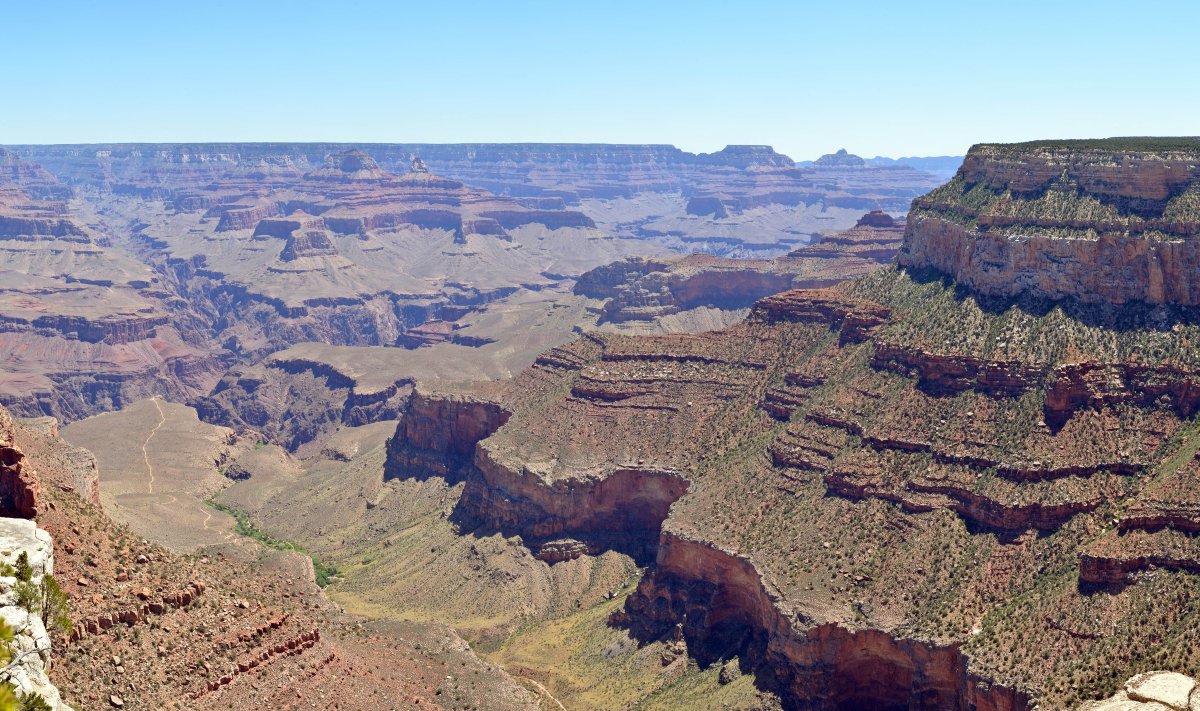

At dawn, when the light has not yet reached the bottom of the canyon, the sound of the glacial water of the Capilano River rises among the trees before anything can be seen. This is the first sign that you are approaching the Second Canyon Viewpoint, one of the most frequented viewpoints by local hikers along the Baden Powell Trail near West Vancouver, in British Columbia, Canada. The trail crosses a forest of Douglas fir that reach 60 meters in height, among the tallest conifers in North America.
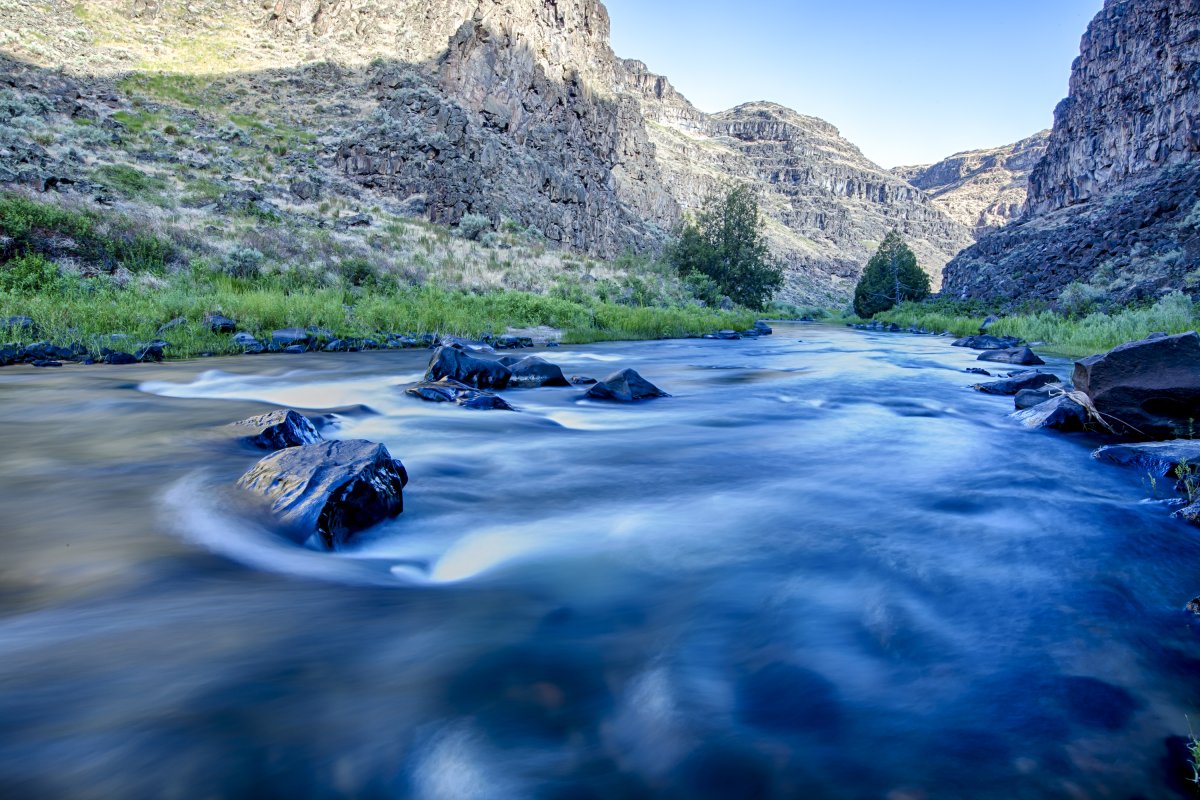
The canyon is not a constructed place nor equipped for mass tourism. There are no tickets to purchase, nor permanent structures beyond some wooden observation platforms. It is a point on the public trail network that crosses the North Shore Mountains, accessible to those who know the trail system that connects West Vancouver with the neighboring municipalities. It is precisely this absence of commercial infrastructure that makes it authentic and, at the right hours, almost deserted.
The view: colors and light at different times of the day
At dawn, between six and seven in the morning during the summer months, the canyon becomes a chromatic spectacle that is difficult to describe without sounding rhetorical. The mist rising from the glacial river — fed by the melting snow on the surrounding mountains — weaves between the vertical trunks of the Douglas firs and creates horizontal layers of white and pale gray. The slanting light tints the bark a dark orange and the mosses of the underbrush a nearly fluorescent green.
In the afternoon, when the sun is high and penetrates through the treetops, the canyon takes on completely different colors: the green becomes warmer, the reflections on the river water turn silvery, and the rocks at the bottom show shades of ochre and anthracite gray. In autumn, between September and October, the golden and red tones of the maples and alders growing at the edges of the coniferous forest are added, creating particularly intense chromatic contrasts.
The Douglas fir forest: what is physically observed
The Douglas firs present in this section of the trail belong to the species Pseudotsuga menziesii, classified and scientifically described in the 19th century. The largest specimens along this path have trunk circumferences that make it impossible to hug them even with two people. The bark is deeply furrowed, gray-brown in color, with vertical grooves that in more mature specimens can be several centimeters wide.
On the forest floor, there are giant ferns — primarily Polystichum munitum, the Pacific sword fern — that almost completely cover the ground between the trunks. In spring and summer, the density of the upper foliage creates a filtered light effect that transforms even the central hours of the day into something akin to twilight. Bringing eyes accustomed to the city takes a few minutes to adjust.
How to get there and practical advice
The Second Canyon Viewpoint can be reached by following a section of the Baden Powell Trail, a trail of about 48 kilometers that crosses the North Shore Mountains from Horseshoe Bay to Deep Cove. The most convenient access point for those coming from West Vancouver is the area of Cypress Provincial Park, from which several connectors to the main trail depart. Alternatively, it can be accessed from the North Vancouver side, with parking available near some marked trailheads.
The most useful advice: arrive by six-thirty in the morning from May to September to see the morning fog in the canyon. After nine, the phenomenon quickly dissipates with the heat. The trail to the viewpoint takes about 45-60 minutes of walking from many access points, on terrain with exposed roots and slippery sections in case of rain — hiking shoes with non-slip soles are essential, not optional. In winter, the trail can be icy and requires appropriate equipment.
When to go and what to expect
The best season is from May to October. In summer, the trail is mainly frequented by local residents in the early morning hours; rarely will you encounter more than ten people in an hour. Autumn probably offers the richest color variety, with the combination of evergreen conifers and deciduous foliage. Winter is technically passable but requires experience and specific ice equipment.
Do not expect services along the trail: no bar, no refreshment point, no public restroom in the immediate vicinity of the viewpoint. Bring enough water — at least one liter per person — and do not drink from the river water without filtration. The canyon is silent in the most literal sense of the term, except for the constant sound of the water below. That sound, after a few minutes, stops feeling like background noise and becomes the measure of time.