





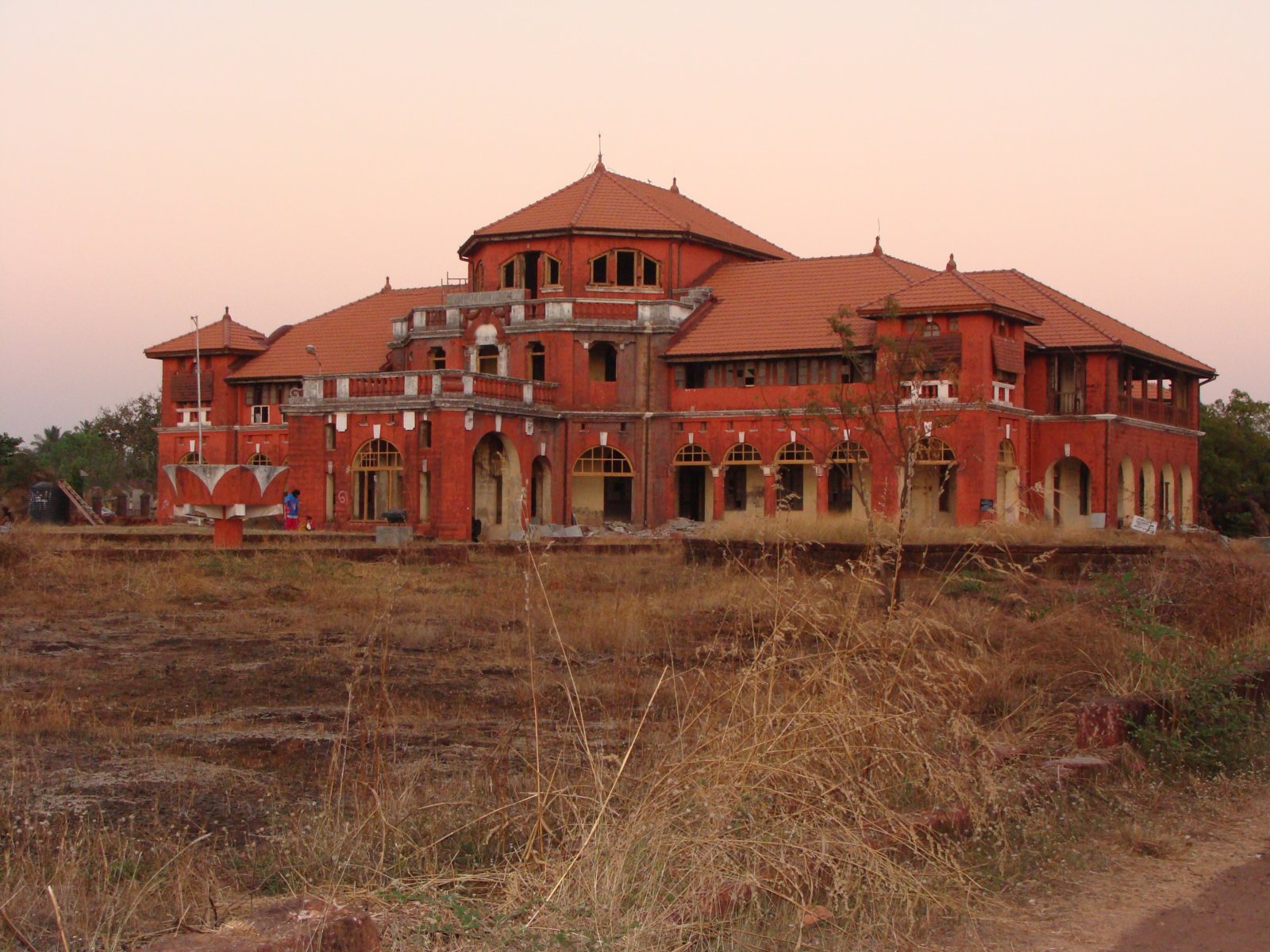
Nestled along the picturesque coast of Maharashtra, Ratnagiri is a treasure trove of history, culture, and natural beauty. One of its crown jewels is the Thiba Palace, a stunning edifice built between 1910 and 1911 for the exiled King Thibaw Min and Queen Supayalat of Burma. As the last sovereigns of the Konbaung dynasty, their story is entwined with that of the palace and the region, creating a unique narrative that captivates visitors to this day.

The palace was constructed at the behest of the British colonial rulers, who exiled the royal couple following the British annexation of Burma in 1885. With their opulent lifestyle abruptly curtailed, Thibaw and Supayalat found solace in the serene surroundings of Ratnagiri, where they lived until their deaths. The couple is interred in tombs located near the palace, which are often overlooked by tourists but are significant reminders of their royal legacy.
Architecturally, the Thiba Palace is a mix of Indo-Saracenic and European styles, featuring ornate arches, expansive verandas, and intricately carved wooden pillars. The palace's aesthetic is enhanced by its lush gardens and the backdrop of the Arabian Sea, offering a glimpse into the life of royalty amid a tranquil setting. The interiors, though largely unpreserved, showcase remnants of grandeur and are adorned with motifs that reflect the cultural confluence brought about by the royal couple's presence.
The region of Ratnagiri is not just about historical sites; it is also a vibrant hub of local culture and traditions. The town celebrates various festivals, with Ganesh Chaturthi being one of the most prominent. During this time, residents engage in grand processions, music, and dance, reflecting the deep-rooted spiritual and communal ties that bind the local populace. Additionally, the local markets bustle with activity, offering a glimpse into the daily lives and customs of the people.
Culinary delights await those who venture to Ratnagiri. The region is renowned for its Alphonso mangoes, celebrated for their sweetness and rich flavor. Visitors can indulge in traditional dishes such as Bombil fry (Bombay duck), Sol Kadhi (a coconut milk-based drink), and Malvani seafood curry that showcases the coastal flavors of the region. Street food stalls serve up delectable puran polis and modaks, especially during festivals, offering a taste of local gastronomy that is hard to resist.
Beyond the obvious attractions, Ratnagiri is filled with lesser-known curiosities. For instance, the palace houses a secret tunnel believed to have been used by the royal couple for clandestine meetings or escapes. This hidden aspect adds a layer of intrigue to the already fascinating history of Thibaw and Supayalat. Furthermore, the surrounding area is dotted with ancient forts like Ratnadurg Fort, which boasts stunning panoramic views and echoes the region's rich maritime history.
For the best experience, plan your visit between November and February, when the weather is pleasantly cool and conducive for exploration. Allocate ample time to wander through the palace grounds, reflect near the royal tombs, and immerse yourself in the local culture. Don’t forget to schedule a visit to the nearby beaches, such as Ganpatipule, known for their stunning views and tranquil ambiance.
As you prepare to explore this lesser-known gem, consider using the Secret World app to craft a personalized itinerary that will ensure you uncover all the hidden treasures of Ratnagiri.