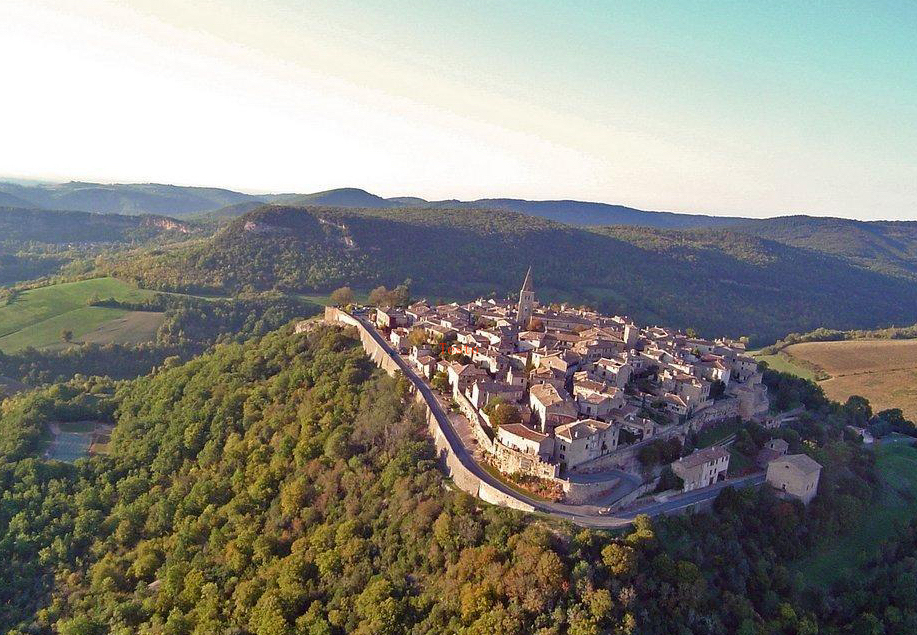

Nestled in the heart of the Gresigne Forest, Puycelsi is a remarkable medieval village that captivates visitors with its rich history and stunning architecture. Its origins date back to the 12th century, when it was established as a strategic stronghold during the turbulent times of the Albigensian Crusade. The village was designed to be both defensible and beautiful, perched atop a rocky outcrop that offers sweeping views of the lush landscape below. This strategic position made it an important fortress, and today it stands as a testament to the resilience of its past.
As you stroll through the narrow, winding alleys of Puycelsi, you can almost hear the whispers of history echoing against the ancient stone walls. The village retains its medieval charm, with carefully restored houses showcasing Gothic and Romanesque architectural styles. The Church of Saint-Sulpice, built in the 15th century, is a standout feature, adorned with intricate carvings and a stunning bell tower that adds to the skyline. Inside, the church houses remarkable artworks, including paintings and sculptures that reflect the deep-rooted spirituality of the region.
Local culture is vibrant and alive here, with traditions that have been passed down through generations. The village hosts various festivals throughout the year, celebrating everything from local crafts to gastronomy. One of the most notable events is the annual Fête de la Saint-Jean, where locals light bonfires and enjoy traditional music, dance, and food. These celebrations offer visitors a glimpse into the communal spirit that defines Puycelsi, making it a wonderful time to visit.
Speaking of gastronomy, Puycelsi is surrounded by fertile land, making it a haven for food lovers. The region is known for its foie gras, duck confit, and local cheeses. Don't miss trying the pastis, a traditional anise-flavored spirit, or the vin de Gaillac, a local wine that pairs exquisitely with the region's hearty cuisine. Many restaurants in the village feature these local ingredients, providing a delicious taste of Tarn.
While many come to admire the stunning views and historical architecture, there are lesser-known curiosities that add to Puycelsi's charm. For instance, the village's walls were once painted with vibrant frescoes that have since faded, yet remnants can still be found if you look closely. Additionally, local legends speak of hidden passages and secret tunnels used by villagers during sieges, stories that ignite the imagination and deepen the sense of adventure in this enchanting place.
The best time to visit Puycelsi is during the spring (April to June) or early autumn (September to October) when the weather is mild and the village is less crowded. Take your time to explore the fortress, pausing at viewpoints for breathtaking panoramas of the surrounding countryside. A leisurely walk along the paths of the Gresigne Forest is also a fantastic way to experience the natural beauty of the area.
To make the most of your visit, consider visiting during one of the local festivals or events to immerse yourself in the culture. Be sure to stop by the artisan shops that line the cobbled streets, where you can find handmade crafts and local delicacies to take home.
In this captivating medieval village, history, culture, and gastronomy intertwine beautifully, making Puycelsi a must-visit destination in the Tarn department. For a truly personalized experience, consider using the Secret World app to craft your perfect itinerary in this enchanting fortress in the forest.