





Nestled in the Tyrrhenian Sea, Ponza Island is a hidden gem of the Pontine Archipelago that captivates visitors with its stunning landscapes, rich history, and vibrant culture. The island’s allure is perhaps best epitomized by Chiaia di Luna, a magnificent beach framed by towering cliffs and shimmering turquoise waters. Yet, Ponza’s charm extends far beyond this iconic spot.

History and Origins
The history of Ponza dates back to ancient times, with evidence of human settlements as far back as the Roman era. Renowned as the exile location for the Roman Emperor Tiberius, who sought solitude on the island around AD 14, Ponza has a storied past that echoes through its landscapes. The island was strategically important to the Romans for its location and resources, serving as a naval base and a trading post.
Throughout the centuries, Ponza has experienced various transformations, from a refuge for pirates in the Middle Ages to a quaint fishing village. The island became more accessible in the 19th century with the advent of steamships, marking the beginning of its development as a tourist destination. Today, remnants of its historical significance can be seen in the ancient Roman tunnels that connect the port to the beautiful beaches, including the tunnel leading to Chiaia di Luna.
Art and Architecture
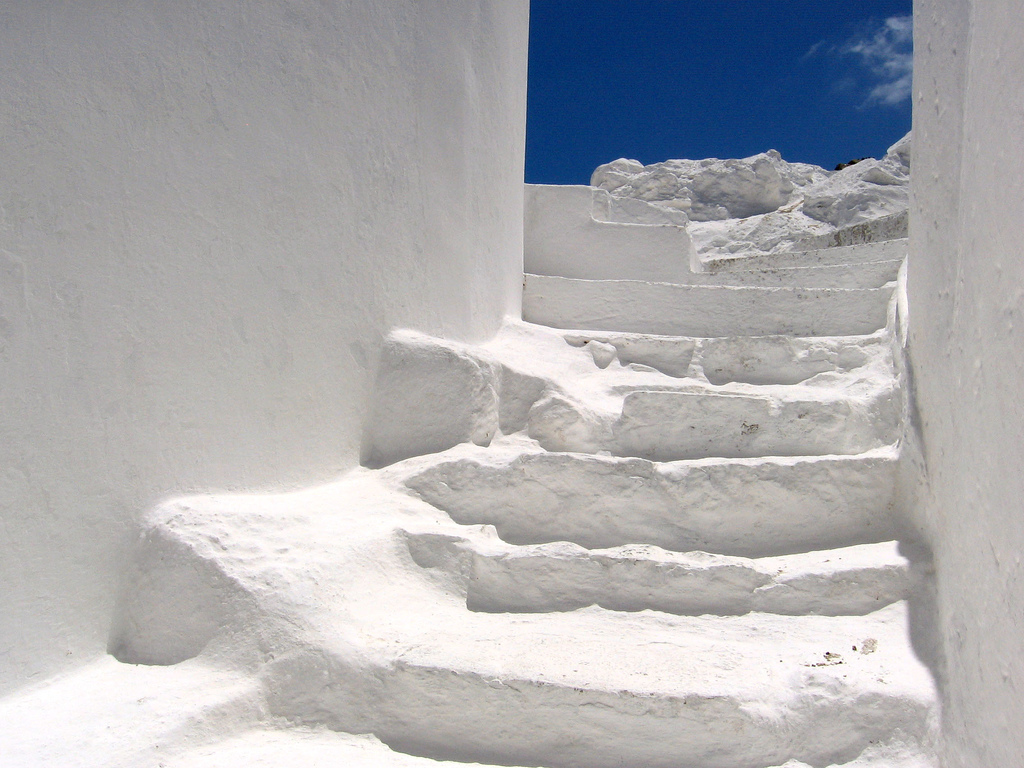
Architecturally, Ponza is a tapestry of Mediterranean charm. The island’s buildings, characterized by their vibrant colors and simple lines, reflect the traditional style of coastal villages. The breathtaking views from the island's small churches, such as Santa Maria Assunta, offer a glimpse into the spiritual life of the islanders.
Art enthusiasts will appreciate the influence of Ponza on various artists, particularly during the early 20th century when painters and writers sought inspiration from its scenic vistas. The island’s landscapes have been immortalized in works by artists like Ferdinando Galiano, who captured its ethereal beauty in his paintings, linking cultural heritage with natural splendor.
Local Culture and Traditions
Ponza's cultural fabric is intricately woven with local traditions and customs. The islanders celebrate numerous festivals throughout the year, with the Feast of San Silverio in June being the most significant. This vibrant event sees the community come alive with processions, music, and traditional dancing, paying homage to the patron saint of Ponza.
Additionally, local folklore thrives, with stories of mermaids and sea spirits passed down through generations. The island’s close-knit community fosters a sense of belonging and pride in its heritage, making every visitor feel like part of the family.
Gastronomy
No visit to Ponza would be complete without indulging in its culinary delights. The island’s gastronomy is heavily influenced by its maritime surroundings, with fresh seafood taking center stage. Signature dishes include spaghetti alle vongole (spaghetti with clams) and frittura di pesce (mixed fried fish), both celebrated for their simplicity and freshness.
Local specialties also feature “Pezzogna,” a type of grouper, which is often grilled and served with a drizzle of local olive oil. Complement your meal with a glass of Falerno del Massico, a wine that captures the essence of the region. For dessert, don’t miss out on “Torta di Ricotta,” a sweet ricotta cake that reflects the island's agricultural roots.
Lesser-Known Curiosities
While many flock to Chiaia di Luna, few venture to discover the Grotte di Pilato, a series of ancient Roman caves that were once used for fish farming. These caves are a testament to the innovative spirit of the Romans, showcasing their ability to adapt nature to their needs.
Another hidden gem is Cala Feola, a secluded cove known for its breathtaking rock formations and crystal-clear waters, ideal for snorkeling. Here, you can often find locals enjoying a peaceful day away from the bustling beach crowds.
Practical Visitor Information
The best time to visit Ponza is during the late spring and early fall when the weather is pleasantly warm, and the tourist rush is minimal. Ferries operate regularly from the mainland, with connections to Formia and Anzio, making it accessible for day trips or extended stays.
When exploring the island, consider renting a scooter or bicycle to traverse its winding roads and hidden paths. Be sure to bring comfortable shoes for hikes to viewpoints like Il Monte Guardia, which offers panoramic views of the island and sea.
In summary, Ponza Island is a treasure trove of history, culture, and natural beauty. From its stunning beaches to its rich culinary scene, every corner of this Italian paradise invites exploration and discovery. For a personalized itinerary to uncover the island’s secrets, consider using the Secret World app.