





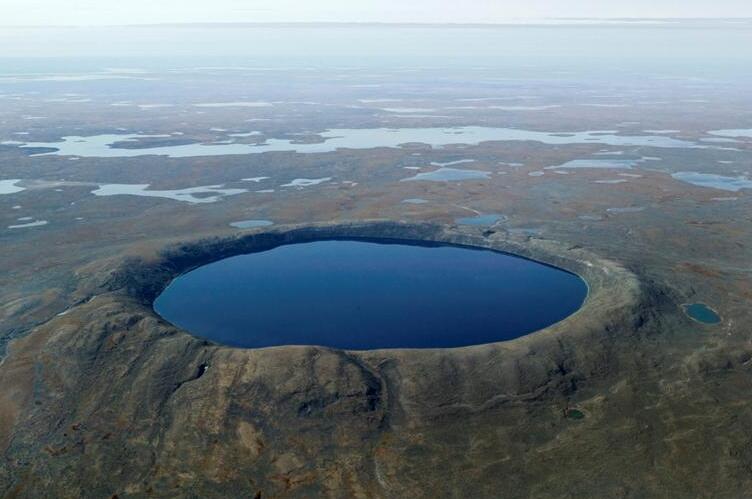
Nestled in the remote Ungava Peninsula of Quebec, Pingualuit Crater captivates with its otherworldly beauty and pristine waters. Formed by a meteorite impact nearly 1.4 million years ago, this nearly circular lake boasts remarkable clarity, visibility exceeding 35 meters, and a depth of up to 400 meters, making it one of the deepest lakes in North America. Surrounded by an almost lunar landscape, the crater rises 160 meters above the lake's surface, creating a stunning visual contrast that enchants visitors and nature enthusiasts alike.
### History and Origins The story of Pingualuit Crater begins with a celestial event: a meteorite struck the Earth approximately 1.4 million years ago. This impact not only shaped the landscape but also left behind a unique geological feature that would become a natural wonder. The indigenous Inuit people have long revered this area, linking it to their traditions and stories. For them, the crater's deep blue waters embody purity and strength, a testament to the land's enduring spirit.
### Art and Architecture While Pingualuit Crater is primarily a natural wonder, its surrounding areas reflect the profound connection between the land and the Inuit culture. Traditional Inuit architecture, characterized by the use of local materials and a deep understanding of the environment, can be observed in nearby communities. The simple yet functional structures echo the aesthetics of the rugged landscape, blending seamlessly into the environment. Artisans create intricate carvings and prints, inspired by the lake's beauty and the local wildlife, offering visitors a glimpse into the cultural significance this area holds.
### Local Culture and Traditions The Inuit community plays a vital role in preserving the cultural heritage surrounding Pingualuit Crater. Festivals, such as the Inuit Day, celebrated annually, showcase traditional music, dance, and storytelling. These events are more than mere celebrations; they serve as a means of cultural transmission, ensuring that the stories of the land and its people endure. Visitors may have the opportunity to engage with local customs, learning about Inuit hunting practices or the art of ice fishing, which are both vital to their heritage.
### Gastronomy As for gastronomy, the region around Pingualuit Crater offers a unique taste of the local environment. Traditional Inuit cuisine includes dishes made from fresh fish, such as arctic char, and game meats like caribou. Foraging for local berries, such as cloudberries and blueberries, adds a delightful sweetness to traditional meals. Visitors should not miss the chance to sample bannock, a type of flatbread that is often served at gatherings, paired with local jams made from foraged fruits.
### Lesser-known Curiosities One fascinating aspect of Pingualuit Crater is the lake's lack of inlets and outlets, which contributes to its remarkable clarity. The water levels rise solely from rainfall, creating a unique ecosystem. Additionally, the crater is a site of geological interest, with its walls made up of ancient rock formations that tell the story of Earth’s geological history. Many may not realize that the lake remains frozen for up to nine months of the year, transforming into a winter wonderland that attracts adventurers seeking ice fishing or snowshoeing experiences.
### Practical Visitor Information The best time to visit Pingualuit Crater is during the summer months, from June to September, when the ice melts and the landscape bursts into life. Bird watchers will delight in the migratory species that flock to the area, while hikers can explore the surrounding terrain. It’s essential to prepare adequately for the remote conditions—visitors should pack warm clothing, sturdy hiking boots, and plenty of water. For those keen on photography, the stark contrasts of the crater's blue waters against the surrounding landscape create mesmerizing opportunities at sunrise and sunset.
In conclusion, Pingualuit Crater is not just a natural wonder; it’s a place where history, culture, and nature intertwine. The lake’s breathtaking beauty and the rich traditions of the Inuit community create a unique experience that resonates with all who visit. To fully immerse yourself in this incredible destination, consider using the Secret World app to craft a personalized itinerary for your journey.
