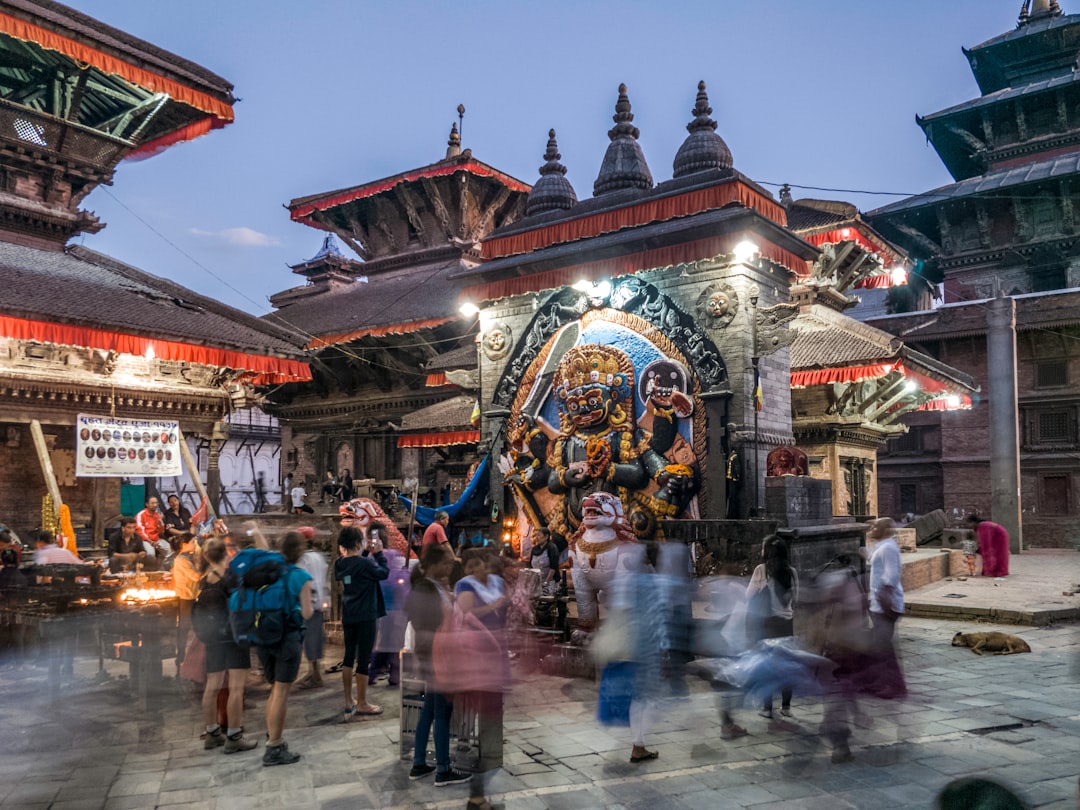

Smoke rises slowly from the cremation ghats along the banks of the Bagmati River, while priests chant ancient prayers and Hindu devotees gather silently around the lit pyres. This is the first impact with Pashupatinath, the most sacred temple complex in Nepal dedicated to Shiva, where life and death intertwine so directly that it leaves even the most seasoned traveler breathless.
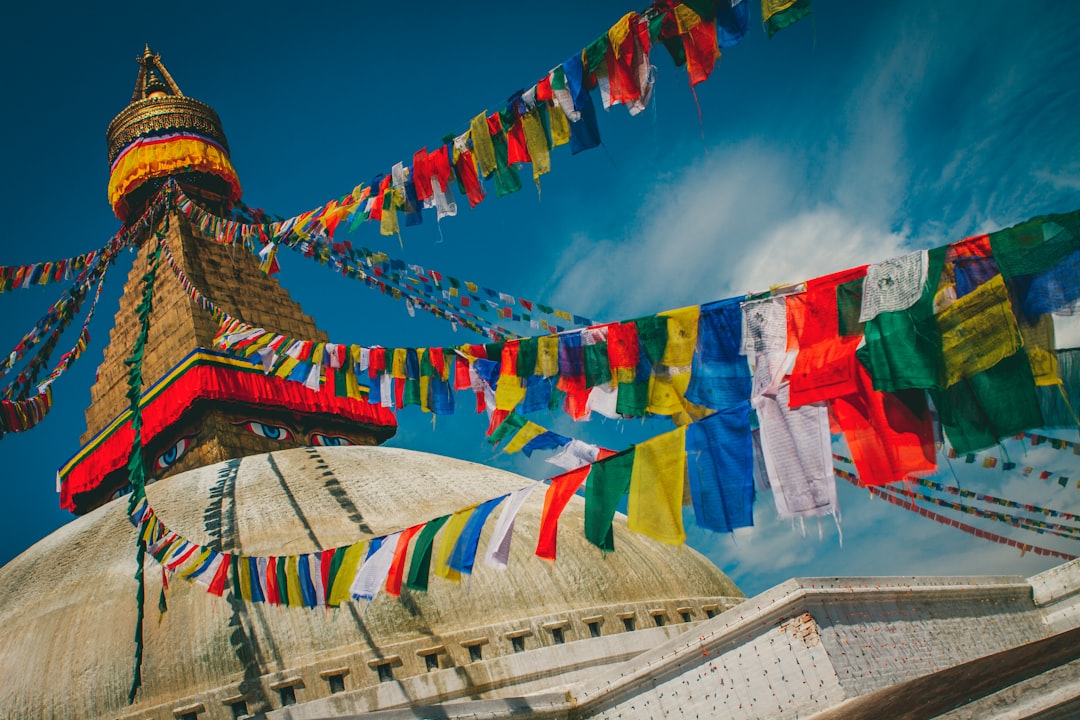
The main temple, with its characteristic golden double-sloped roof in Newar pagoda style, dominates the western bank of the Bagmati a few kilometers from the center of Kathmandu. The earliest historical evidence of the site dates back to the 5th century AD, although local religious tradition places the origins of the cult in a much older era. The complex was included in the UNESCO World Heritage List in 1979, a recognition that attests to its exceptional value not only for Nepal but for the entire Hindu civilization.
The heart of the complex: the main temple and the lingam
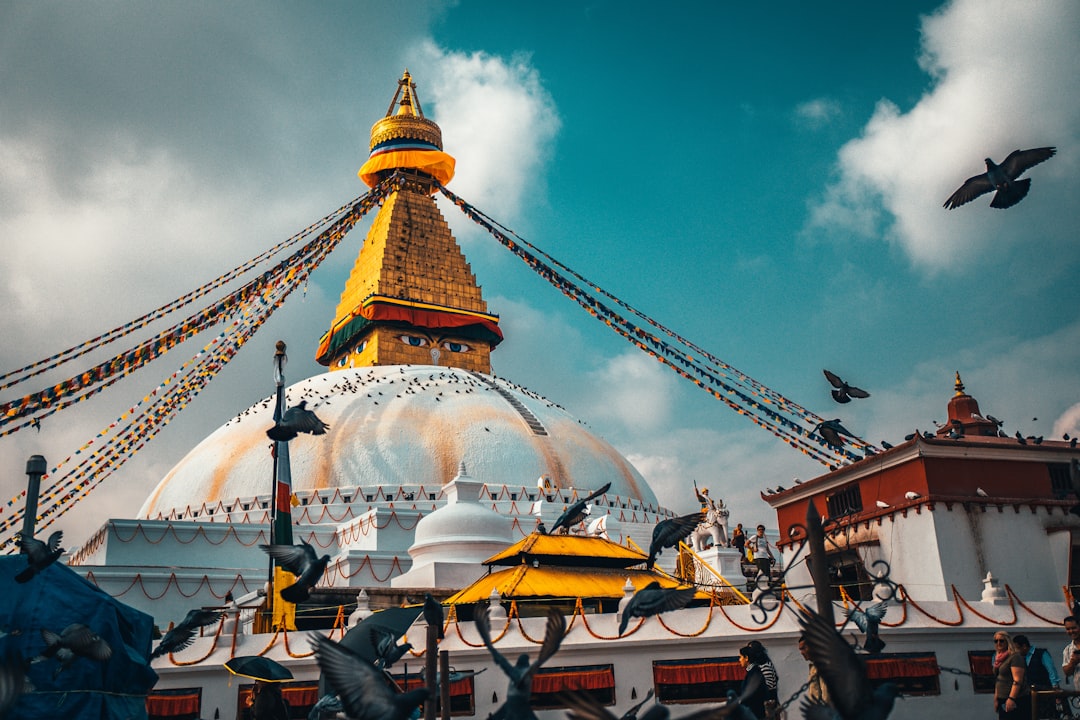
The central sanctuary houses one of the most revered Shiva lingams in South Asia, covered in silver and surrounded by floral offerings that pilgrims continuously renew throughout the day. Access to the main temple is reserved exclusively for Hindus: non-Hindu visitors can observe from the outside, from the eastern bank of the Bagmati, still enjoying a privileged perspective on the religious ceremonies and the architecture of the sanctuary.
Surrounding the main temple is a labyrinth of over five hundred small shrines and statues dedicated to various deities of the Hindu pantheon. Walking among these spaces means immersing oneself in a millennia-old religious stratification: each niche, each carved stone tells of donations, vows, and devotion accumulated over centuries. Particular attention is deserved by the statues of the Pancha Deval, the five twin temples aligned on the eastern bank, and the numerous ascetic sadhus who settle in the area, recognizable by their ash-covered bodies and braided hair.
The cremation ghats: where the sacred meets the everyday
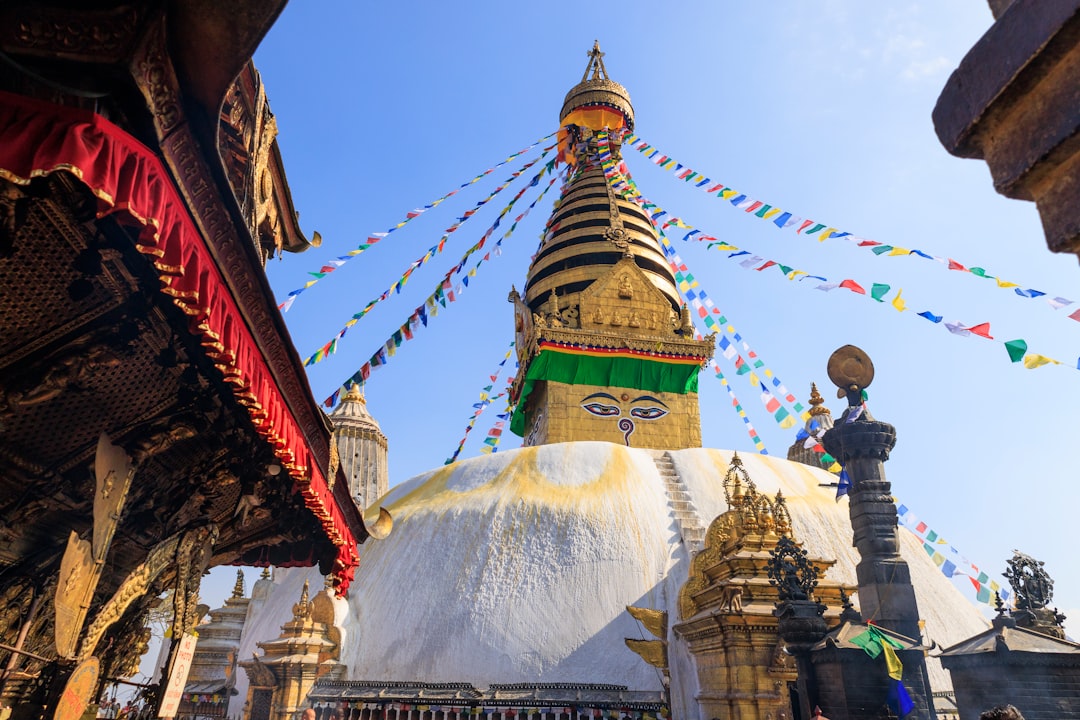
The cremations on the Bagmati take place practically every day, openly and visibly. According to Hindu tradition, being cremated on this river guarantees liberation from the cycle of rebirths, which is why families from all over Nepal and India bring their loved ones here. Attending a funeral ceremony — with respect and discretion, maintaining an appropriate distance — is an experience that profoundly reshapes the relationship with death and collective mourning.
The Arya ghats, reserved for high-ranking individuals including members of the Nepalese royal family, are located immediately north of the main temple and are distinguished by the care with which they are maintained. Further downstream are the common ghats, where the atmosphere is more crowded and ceremonies follow one another continuously during the central hours of the day. The river itself, despite the pollution problems it suffers from, maintains a fundamental ritual role: the relatives of the deceased immerse themselves in its waters as a purifying act at the end of the cremation.
The right moment and practical tips for the visit
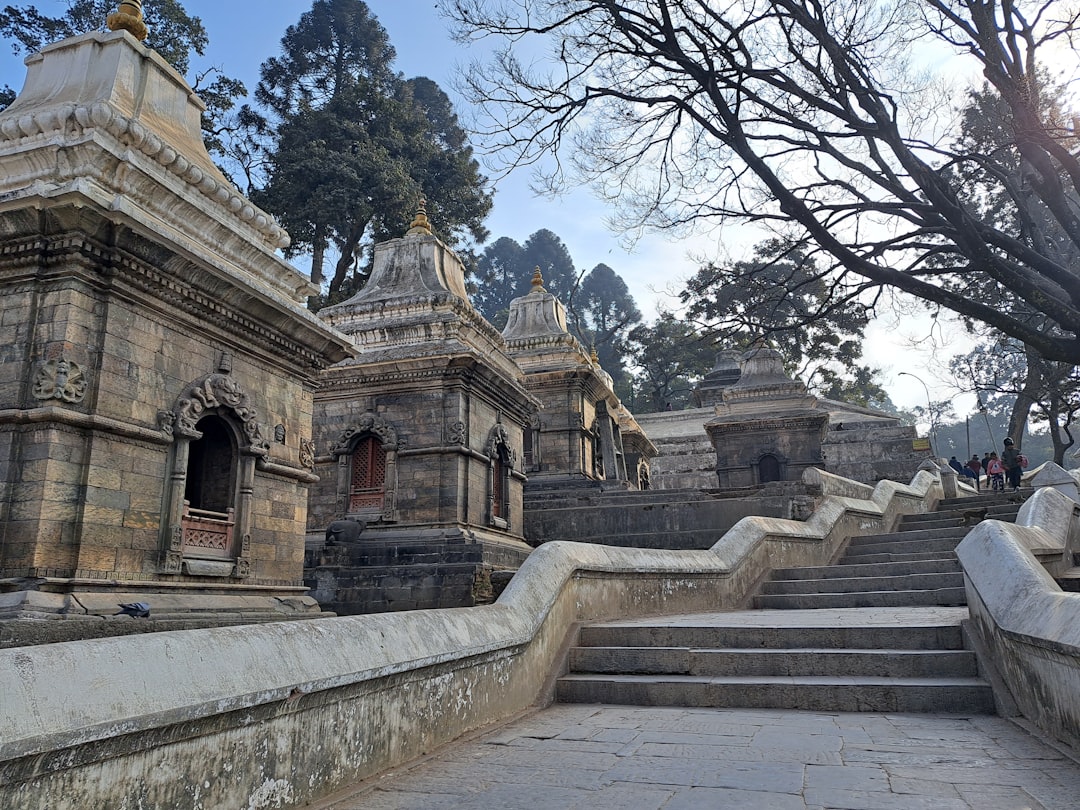
The best time to visit Pashupatinath is dawn, when the slanting light illuminates the golden roofs and pilgrims begin to gather for morning prayers. At this time, the complex is less crowded compared to the central hours of the day and the atmosphere is particularly intimate. A complete visit requires at least two to three hours to calmly explore the secondary shrines, observe the ghats, and climb the opposite hill, where some minor temples are located with a beautiful panoramic view of the entire complex.
The entrance ticket for foreign visitors costs approximately 1,000 Nepalese rupees (about 7-8 euros at the current exchange rate), while citizens of South Asia pay a reduced fee. The complex can be reached by taxi or rickshaw from the center of Kathmandu in about twenty minutes, or on foot from Boudhanath in about half an hour. It is essential to dress modestly, covering shoulders and knees, and to behave with the utmost respect during funeral ceremonies: photographs of the deceased and grieving family members are absolutely to be avoided.
Pashupatinath during Maha Shivaratri
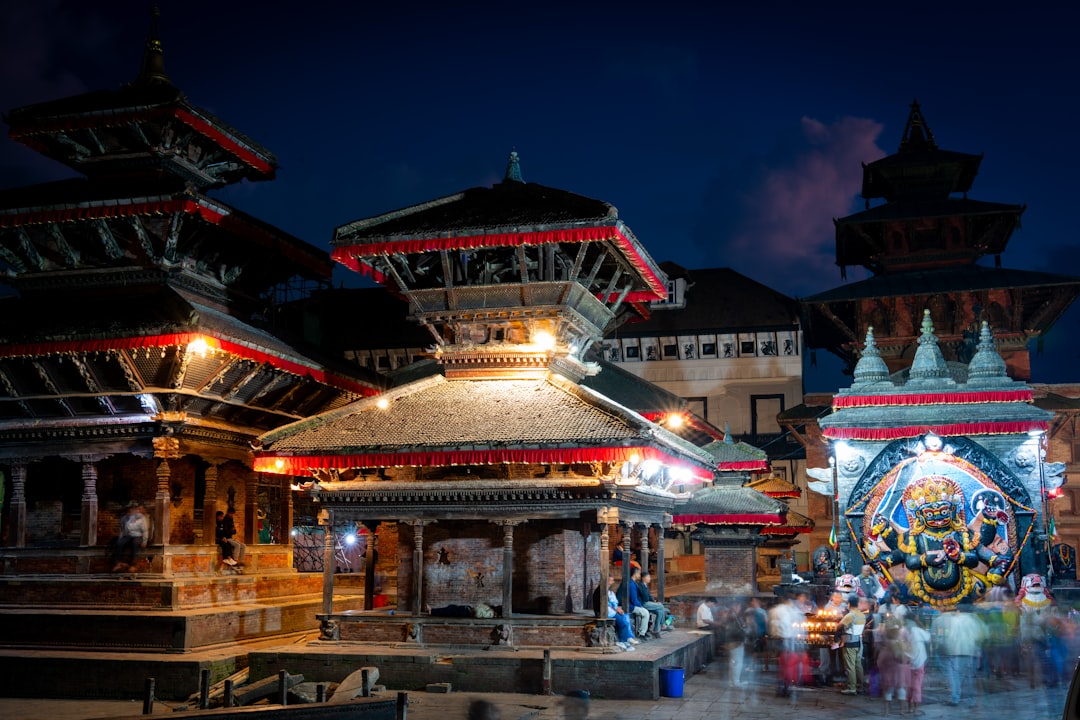
If the calendar allows, plan the visit to coincide with Maha Shivaratri — the great night of Shiva, which falls between February and March according to the lunar calendar — transforming the experience into something extraordinary. On this occasion, hundreds of thousands of pilgrims converge on the complex from all over Nepal and India, and thousands of sadhus gather in the surrounding area, making the site one of the most intense religious spectacles in the entire Asian subcontinent.
During Maha Shivaratri, the temple remains open all night and the entire area is illuminated by fires and torches. The crowd is impressive and can be overwhelming, but for those willing to embrace the chaos as an integral part of the experience, this is probably the most memorable visit that Kathmandu can offer.