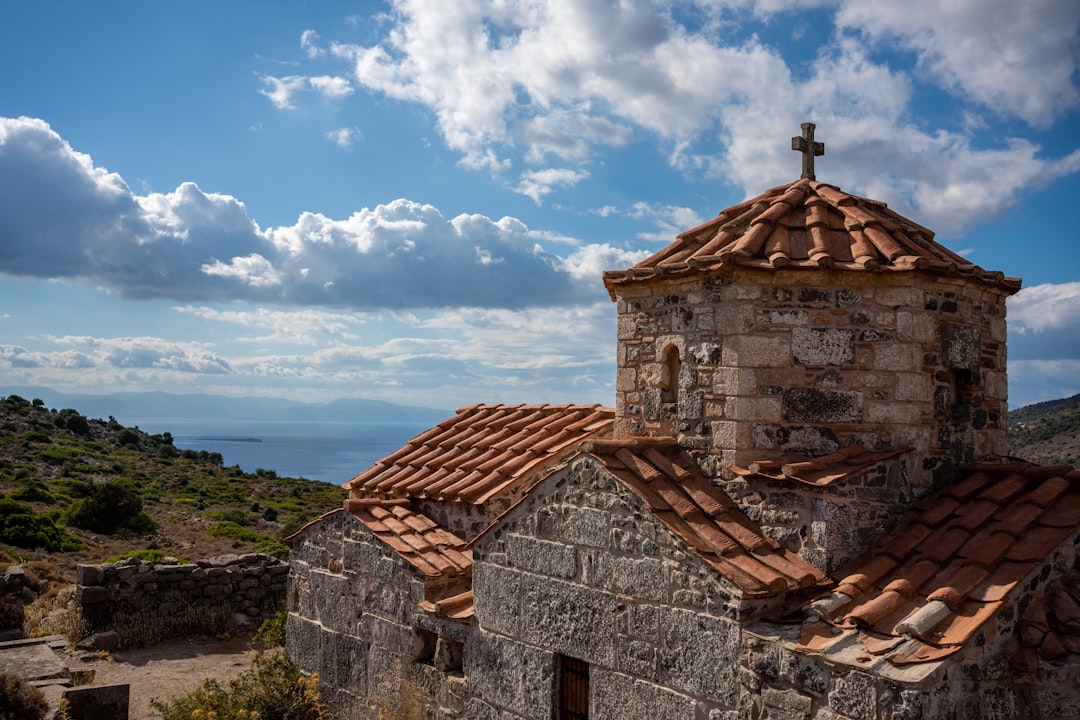
Nestled high upon the cliffs of Lemnos, the Church of Panagia Kakaviotissa stands as a remarkable testament to resilience and faith. Carved directly into the mouth of a cave, this roofless church offers breathtaking views of the Aegean Sea and the rugged landscape of the island. Its very essence speaks to the spirit of survival, dating back to its founding in 1416 A.D. by monks fleeing the Turkish invasion of Agios Efstratios.
History and Origins
The establishment of Panagia Kakaviotissa is steeped in the tumultuous history of the region. The monks who founded the church sought refuge from the turmoils that engulfed the Aegean during the 15th century. The name Kakaviotissa itself is derived from Kakavos, the mountain where this sacred site resides. Its remote location was not only a strategic choice for safety but also a symbolic one, representing a retreat into nature and a closer connection to the divine. Over the centuries, the church has witnessed the ebb and flow of various cultures, each leaving its mark on this sacred space.
In its early days, the church served as a sanctuary for hermits and monks, fostering a sense of spiritual solitude that attracted seekers of peace far and wide. The church’s historical significance is not merely confined to its origins; it is a living monument to the endurance of faith amid adversity. Today, it stands as a symbol of the rich spiritual heritage that characterizes Greece.
Art and Architecture
The architectural style of Panagia Kakaviotissa is as unique as its history. The absence of a roof allows natural light to flood the interior, creating a celestial atmosphere that enhances the spiritual experience. The cave-like structure is adorned with simple yet profound religious iconography, typical of Orthodox Christianity, which reflects the humility and devotion of its creators.
Inside, visitors can find beautifully crafted icons and frescoes that narrate biblical stories, embodying the essence of Byzantine art. The interplay of light and shadow within the cave elevates these artworks, inviting contemplation and reflection. The church's architecture may lack grandiosity, but it is this very simplicity that evokes a deep emotional response, making it a unique place of worship.
Local Culture and Traditions
The Church of Panagia Kakaviotissa is not just an architectural marvel; it is also a vital part of the local culture. Each year, the church celebrates its feast day on the Tuesday after Easter, drawing the faithful from across Lemnos to partake in the festivities. This celebration includes a religious service, communal prayers, and often a feast that brings together the community in shared reverence and joy.
Traditions surrounding the church often highlight the close-knit nature of the local populace. Pilgrimages to Kakaviotissa are common, especially during the summer months, when locals and tourists alike seek to connect with the island's spiritual essence. The experience of hiking to the church, a journey through rugged terrain, is as much a spiritual pilgrimage as it is a physical one, reinforcing the church's role as a beacon of hope and faith.
Gastronomy
No visit to Lemnos would be complete without indulging in its rich culinary heritage. The island is known for its exceptional local products, including feta cheese, olive oil, and wine. Traditional dishes such as Kavourmas (a type of pork dish) and Lemnian lentils are staples that you can savor at local tavernas. The flavors of the island are deeply intertwined with its history, reflecting the agricultural practices passed down through generations.
Pairing a meal with a glass of Lemnos wine, particularly the local variety made from the Mavrotragano grape, can enhance your dining experience. The wine's rich flavors echo the earthiness of the land, making it a perfect accompaniment to the island's hearty dishes.
Lesser-known Curiosities
While the stunning views and the church's unique architecture draw many visitors, few know that the surrounding area is rich with hidden treasures. The rugged cliffs and tranquil beaches nearby are home to diverse wildlife, including rare bird species that call Lemnos home.
Another intriguing aspect of Panagia Kakaviotissa is its status as a gathering place for those seeking spiritual solace. Many visitors leave behind small tokens or notes, creating a communal tapestry of hopes and wishes that adorn the church’s entrance, embodying the collective spirit of faith and resilience.
Practical Visitor Information
To truly appreciate the beauty of Panagia Kakaviotissa, the best time to visit is during the golden hours of sunset. The ethereal quality of light filtering through the cave creates a magical ambiance that enhances the experience. The journey to the church requires a 20-minute hike along a dirt road from the nearest asphalt route, making it a popular destination for hikers and nature lovers.
When planning your visit, ensure you wear comfortable footwear and bring water, as the terrain can be uneven. Keep an eye out for local flora and fauna during your hike, as the landscape is teeming with life.
In conclusion, the Church of Panagia Kakaviotissa is more than just a roofless church; it is a sanctuary of history, art, culture, and culinary delights waiting to be explored. For a personalized itinerary to discover the beauty of Myrina, consider using the Secret World app to enhance your journey.