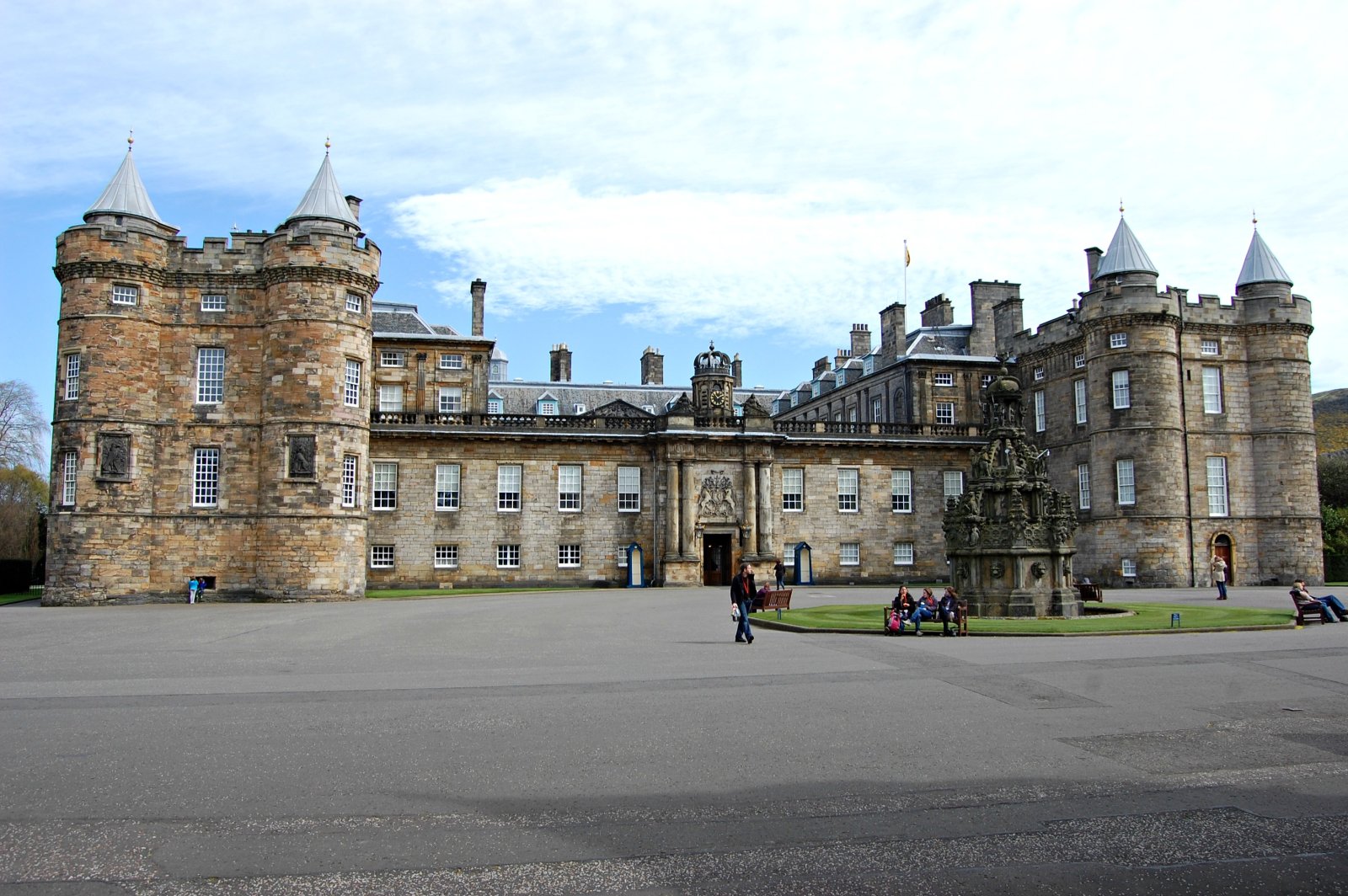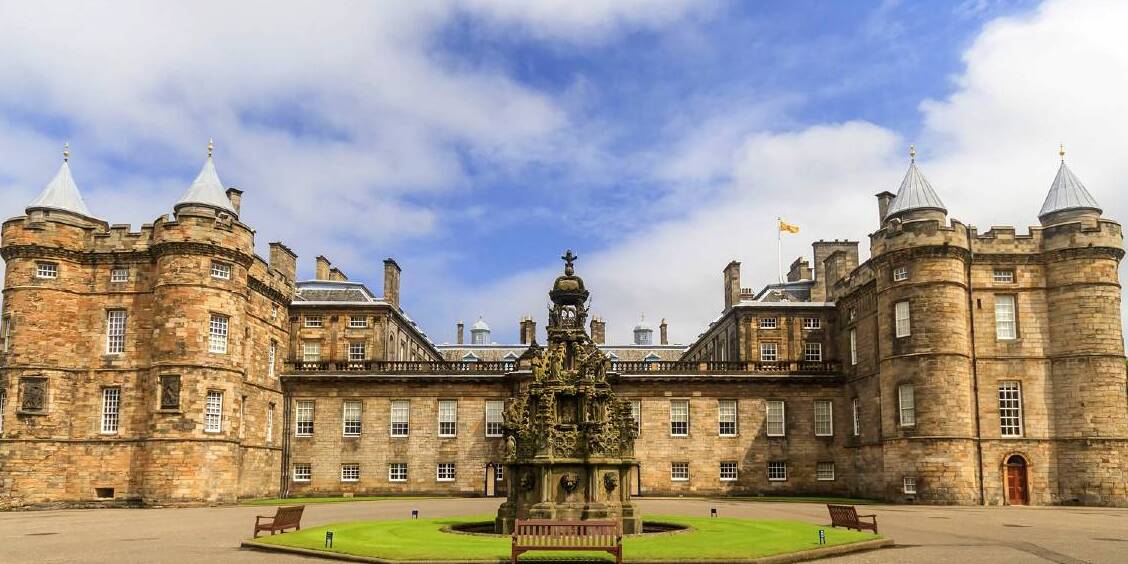

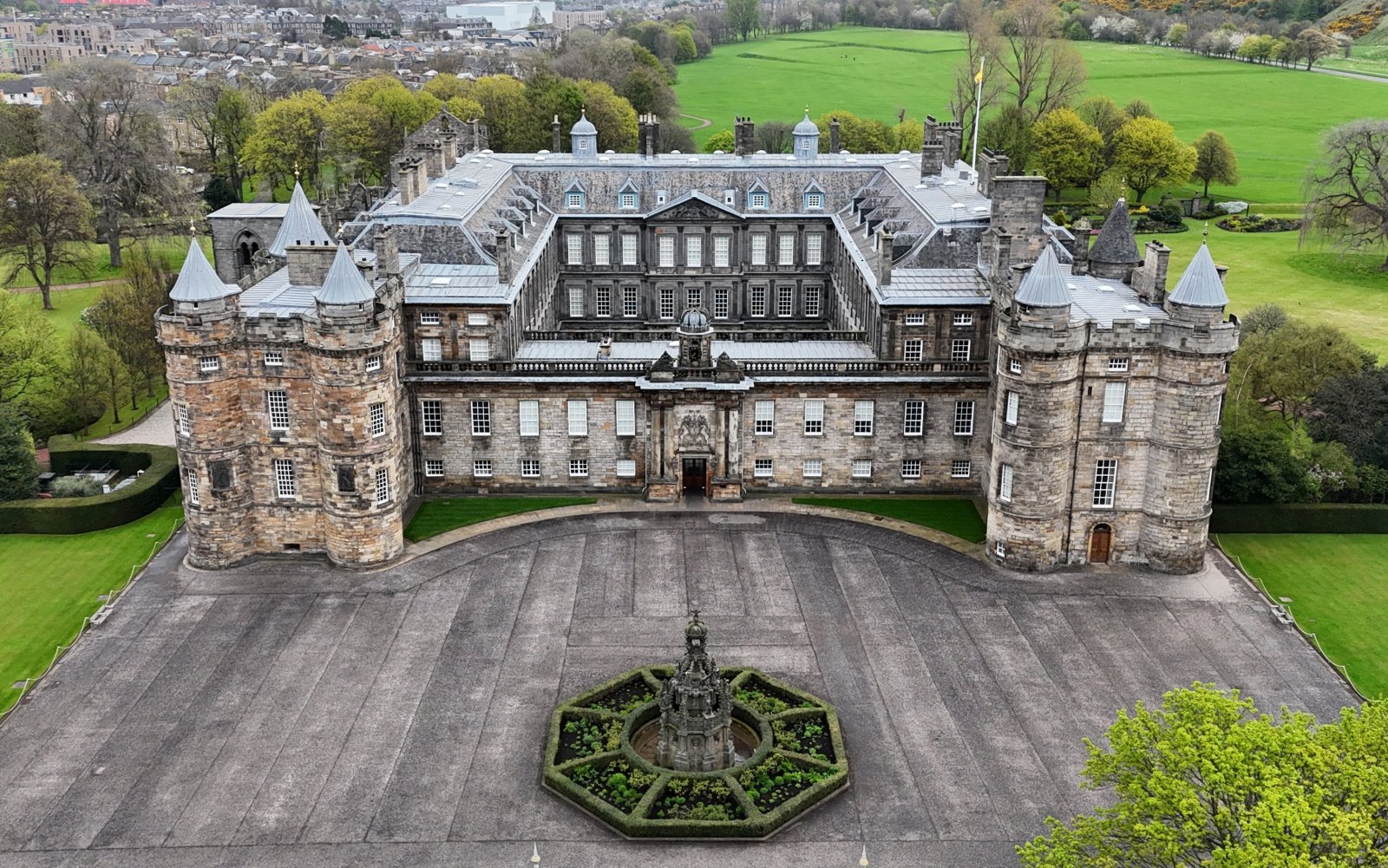
Nestled at the end of the historic Royal Mile, the Palace of Holyroodhouse stands as a testament to Scotland’s rich royal history, architectural grandeur, and cultural vibrancy. As the official residence of the Queen and Royal Family in Scotland, this royal palace captivates visitors with its stunning Baroque design and significant historical narrative.
### History and Origins The origins of the Palace of Holyroodhouse trace back to the Middle Ages, when the Scottish monarchy sought refuge from the cold, damp confines of Edinburgh Castle. In 1128, Holyrood Abbey was founded by King David I, establishing a royal presence in the area. Initially, the abbey served as a guesthouse for visiting monarchs. In 1503, James IV erected the first palace alongside the abbey, marking the beginning of royal residence in this picturesque location.
The most famous resident of the palace, Mary, Queen of Scots, lived here from 1561 to 1567. Her tumultuous reign and personal tragedies, including the murder of her secretary David Rizzio within the palace walls, imbue this location with a haunting charm. The palace transformed significantly during the late 17th century under Charles II, who commissioned its current Baroque structure, completed between 1671 and 1678. This architectural evolution from a medieval guesthouse to a splendid palace reflects the changing dynamics of the Scottish monarchy.
### Art and Architecture The Palace of Holyroodhouse is an architectural marvel that showcases the elegance of Baroque design. The façade, characterized by its grand proportions and intricate detailing, is adorned with towers and classical columns. Inside, visitors are welcomed by the impressive Great Gallery, featuring a series of portraits of Scottish monarchs that encapsulate the regal lineage of Scotland.
Notable artworks within the palace include pieces by renowned artists such as Allan Ramsay and Sir Henry Raeburn, each illustrating pivotal moments in Scottish history. The delicate plasterwork, ornate fireplaces, and sumptuous furnishings collectively offer a glimpse into the opulence of royal life in the past.
### Local Culture and Traditions The palace is not just a monument of history but also a living part of Scottish culture. Each year, the Holyrood Week is celebrated in early July, during which the monarch participates in various events and ceremonies across Scotland, including engagements at the palace. Additionally, the Edinburgh Festival and the Edinburgh International Festival often incorporate performances and exhibitions that highlight Scotland’s vibrant cultural scene, many of which take place within the palace grounds.
Local customs, such as the tartan, a symbol of Scottish heritage, are prevalent in the palace’s dress code during special events, reflecting the connection between the monarchy and Scottish identity.
### Gastronomy Culinary traditions in Edinburgh are as rich as its history. Visitors to the Palace of Holyroodhouse may enjoy local delicacies such as haggis, a savory dish made from sheep's heart, liver, and lungs, traditionally served with neeps (turnips) and tatties (potatoes). The royal kitchen also showcases an array of Scottish whiskies, including single malts from the Highlands, which guests can savor during special events held at the palace.
### Lesser-known Curiosities Beyond its regal façade, the palace holds many hidden stories. For instance, the royal gardens, designed in the 18th century, feature a remarkable collection of plants that were once used for medicinal purposes. A lesser-known fact is that the palace is not just a royal residence; it also serves as a venue for state ceremonies and official receptions, including visits from foreign dignitaries.
Another surprising detail is the Queen’s Gallery, which hosts changing exhibitions of works from the Royal Collection. These exhibitions often focus on specific themes or periods, revealing layers of history often overlooked in mainstream narratives.
### Practical Visitor Information The best time to visit the Palace of Holyroodhouse is during the summer months (May to September) when the gardens are in full bloom, and the palace opens its doors to the public for a more extensive range of activities. It is advisable to book tickets in advance during peak tourist seasons to avoid long queues.
When visiting, don’t miss the Great Gallery and the State Apartments, where you can immerse yourself in the historical atmosphere. The Audio Tour available at the palace provides insightful commentary that enriches the experience. Lastly, take time to stroll through the palace gardens, where you can enjoy scenic views of Arthur’s Seat, a dormant volcano that towers over the city.
### Conclusion The Palace of Holyroodhouse offers an enchanting glimpse into Scotland’s royal heritage, making it a must-visit for history enthusiasts and casual travelers alike. To make the most of your journey through this royal gem, consider using the Secret World app to design a personalized itinerary.