
In the heart of Bucharest, along Calea Victoriei, stands an imposing building that for decades housed the Central Post Office. Today, that neoclassical structure, built between 1894 and 1900 according to the design of architect Alexandru Săvulescu, is the home of the National Museum of Romanian History. The building itself is already a relic: the eclectic style facades, with neo-Roman elements and sculptural decorations, anticipate the grandeur of the collections housed within.
The museum preserves over three million pieces distributed in permanent and temporary exhibitions, covering a chronological span from prehistory to the 20th century. It is not a simple encyclopedic collection: each room tells a specific phase of the history of the territories that today form Romania, with objects that often have no equivalents in any other European museum.
The Treasure of Pietroasele: the Gold of the Visigoths
The most famous collection of the museum is undoubtedly the Treasure of Pietroasele, also known as the treasure of the Goths or "Cloșca cu puii de aur" — the hen with golden chicks. Discovered in 1837 near the village of Pietroasele, in Muntenia, the treasure consists of twelve objects made of solid gold decorated with precious stones and polychrome glass, probably created in the 4th century AD and attributed to Visigothic culture. The total weight of the pieces exceeds eighteen kilograms of gold.
Among the most extraordinary objects stands out the large patera, a ceremonial cup decorated with mythological figures in high relief, and a series of fibulae and necklaces that showcase a goldsmithing technique of surprising refinement for the time. The room housing the treasure is equipped with controlled lighting and secure display cases: visitors can get close enough to observe the details of the garnet and glass paste settings, which still retain their original colors today.
The Trajan Column reproduced to scale
One of the most spectacular elements of the permanent exhibition is the plaster cast of the entire Trajan's Column in Rome, created in the 19th century on commission from the Romanian government. The casts are arranged in sections along a dedicated gallery, allowing visitors to read the narrative frieze — which celebrates the Dacian wars of 101-102 and 105-106 AD — without having to look up thirty meters high as one does in front of the original in Piazza Venezia in Rome. This reproduction is one of the most effective educational tools for understanding the Roman conquest of Dacia and the birth of the Romanian people as a synthesis between Latin and Dacian culture.
Next to the casts, the hall displays weapons, tools, and coins from the excavations of the Dacian fortresses in the Carpathians, including materials found at Sarmizegetusa Regia, the capital of the kingdom of Decebalus. The artifacts allow for a direct comparison between Dacian and Roman civilization, making tangible one of the foundational moments in Romanian history.
Medieval Art and Royal Jewels
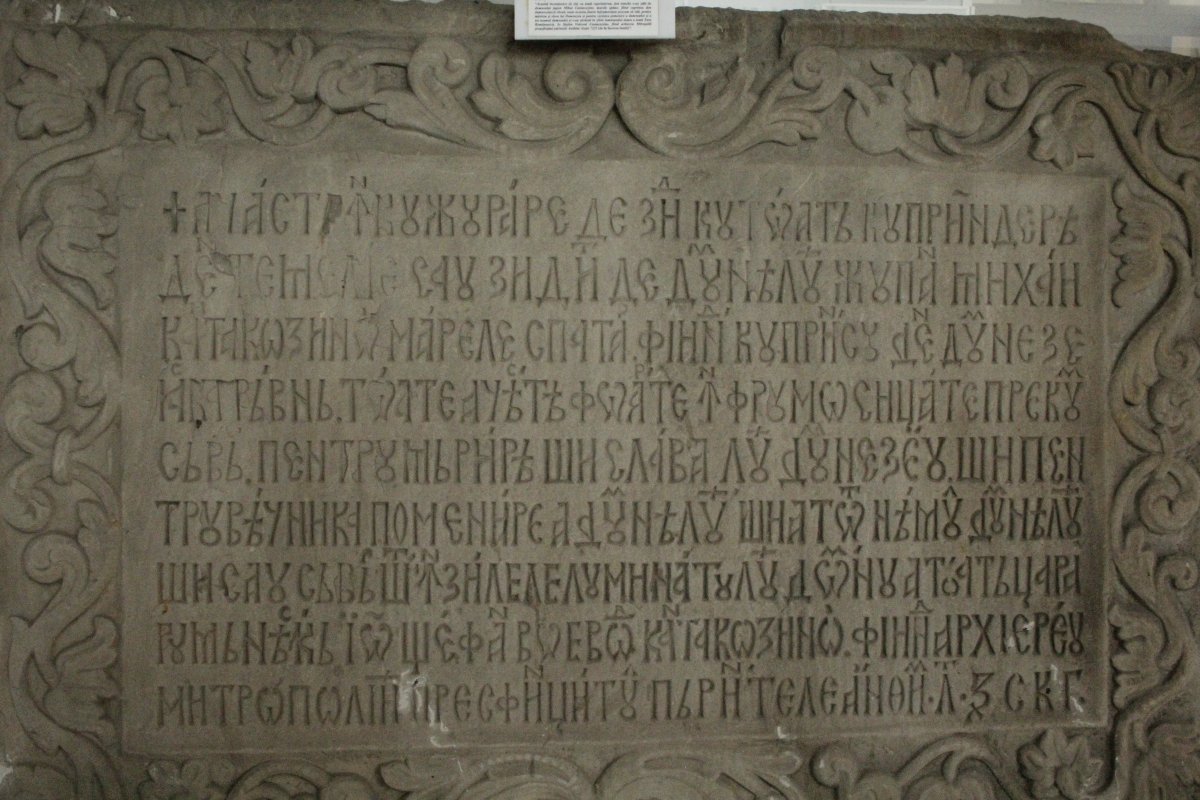
The rooms dedicated to Romanian medieval history host icons on wood, illuminated manuscripts, ecclesiastical goldsmithing, and ceremonial weapons that belonged to the princes of Wallachia and Moldavia. Among the pieces of greatest historical value are items related to Mircea the Elder and Stephen the Great, two of the most important medieval rulers in Romanian history, active respectively from the late 14th to the late 15th century.
A separate section is dedicated to modern history and the Romanian royal family: there are displayed Crown jewels, uniforms, diplomatic documents, and personal items of the rulers of the Hohenzollern-Sigmaringen dynasty, which reigned in Romania from 1866 to 1947. Those interested in European political history will find in these rooms an unusual vantage point on Romania's role between the two world wars.
Practical Information for the Visit
The museum is located at number 12 Calea Victoriei, reachable on foot from the Universitate metro station (lines M1 and M2) in about ten minutes. The full ticket for adult foreign visitors is around 15-20 Romanian lei, an amount equivalent to a few euros. The best time to visit is in the morning on weekdays: the treasure halls of Pietroasele tend to get crowded in the afternoon and on weekends, making it difficult to approach the displays. Allowing at least two and a half hours for a complete tour is realistic; those who want to delve deeper into the Dacian and medieval sections should also plan for three hours. The museum is closed on Mondays, like most Romanian state museums.
Before leaving, it is worth stopping on the ground floor where temporary exhibitions are set up: the museum regularly collaborates with European institutions and the exhibitions hosted in recent years have covered themes ranging from the prehistory of the Balkans to the trade routes of the Black Sea, each time offering a different perspective on the same permanent heritage.