A green jade funerary mask, with pyrite eyes that reflect the artificial light of the room, is often the first object that captures the attention of those entering the National Museum of Maya Art: Archaeology and Ethnology in Guatemala City. It is not a reproduction: it is an original artifact, recovered from buried sites in the Guatemalan jungle, that tells centuries of civilization through the precision of the cut and the choice of a stone considered sacred by the Maya.
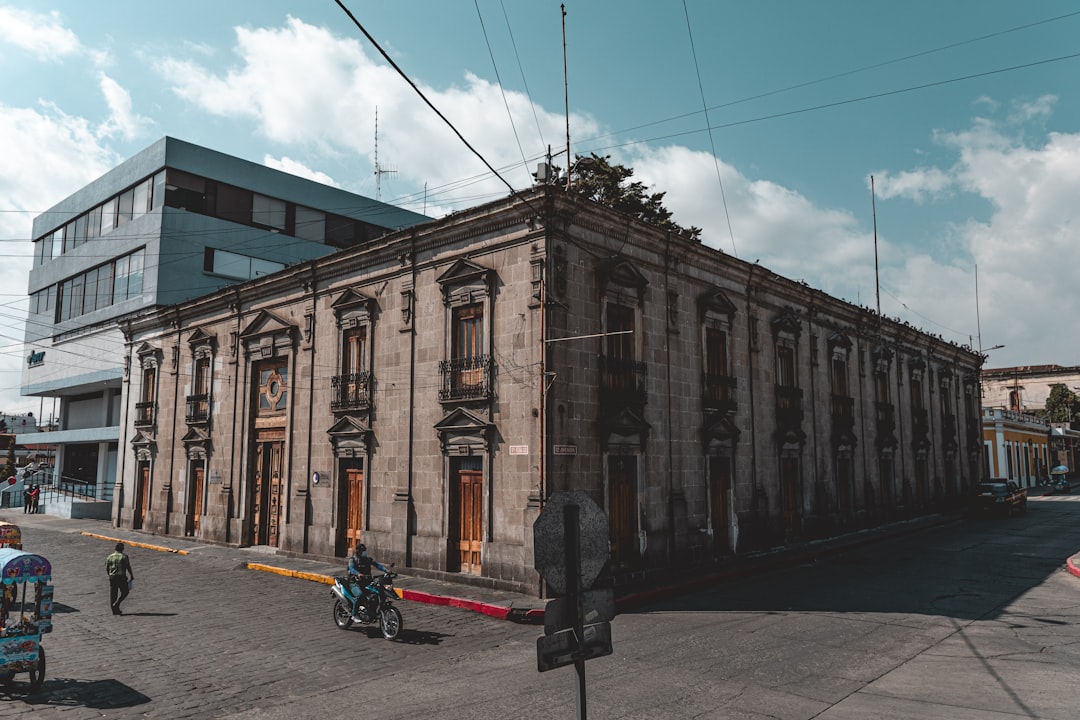
The museum is located in the heart of the capital, within the complex of the Civic Center, an urban area planned in the 1950s and 1960s that also houses other institutional buildings. The structure that houses the museum was designed with the aim of creating exhibition spaces suitable for protecting and enhancing fragile materials such as carved stone, ceramics, and precious metals. The entrance is accessible from Avenida La Reforma, one of the main arteries of the city.
The permanent collections: jade, obsidian, and stelae

The exhibition path is divided into thematic sections that cover the chronological span of Maya civilization, from the Preclassic period to the time of contact with the Spanish conquistadors in the 16th century. Among the most represented materials are obsidian tools, a volcanic rock abundant in Guatemala, crafted with a precision that still surprises scholars today: blades, arrowheads, and scrapers display sophisticated flaking techniques developed without the use of metals.
The section dedicated to jade is considered one of the most complete in the entire Mesoamerican region. The Maya attributed a value to this stone that surpassed gold: they associated it with water, corn, and eternal life. The displayed funerary masks, some of which come from royal burials, show intricate work involving hundreds of green jade pieces, assembled to reconstruct the face of the deceased. Observing closely the joints between the individual fragments allows one to understand the level of craftsmanship achieved.

The stelae and hieroglyphic writing
One of the most concrete experiences that the museum offers is the direct comparison with the carved stelae, stone monuments several meters tall, originally erected in the squares of Maya cities to commemorate rulers, battles, and astronomical dates. Some of the stelae present in the halls come from sites like Quiriguá, in the Izabal department, a UNESCO heritage site known for having some of the tallest stelae in the entire Maya area.

The explanatory panels next to each piece include transcriptions and partial translations of the glyphs, the Maya writing system that combines logographic and syllabic elements. For those who are not familiar with the subject, this section serves as a true introduction to decoding a complex visual language. Understanding even just the glyphs that indicate dates of the Maya calendar — the Long Count and the Tzolk'in — makes the subsequent visit to any archaeological site in the country much richer.
The ethnological section: contemporary Maya

The museum is not limited to archaeology: a significant part of the spaces is dedicated to ethnology, documenting the Maya communities that still live today in Guatemala, about 40% of the total population of the country. Traditional clothing, textiles, musical instruments, and ritual objects show the cultural continuity between the pre-Columbian past and the present. The huipil, the hand-woven tunics made by indigenous women, displayed in the showcases, show geometric patterns that vary from community to community and that still today identify membership in a specific group.
This section is particularly useful for those intending to travel to local markets or villages in the Guatemalan highlands: recognizing the textiles from Chichicastenango or Santiago Atitlán becomes much easier after having seen the systematic documentation of the museum.
Practical tips for the visit
The museum is located in a central area of Guatemala City, accessible by taxi or ride-sharing services like Uber, which operate regularly in the city. The average time for a complete visit is about two and a half hours, but those who want to delve deeper into the section on hieroglyphic writing or ethnological textiles can easily take three. It is advisable to visit before heading to any archaeological site in Guatemala — Tikal, Quiriguá, Copán in Honduras — because it provides a context that transforms the visit to the ruins from a visual experience to true historical understanding.
Opening hours follow the schedule of Guatemalan state museums, generally from Tuesday to Sunday; it is always wise to check for any extraordinary closures before going there. The ticket price is modest, in line with the standards of public museums in Guatemala. Bringing a small flashlight or using the phone's flashlight can help observe the details of the engravings on the stelae better, especially in the rooms with dimmer lighting.