






Nestled in the heart of Norway's fjord country, Nærøyfjorden is a breathtaking natural wonder that captivates with its majestic landscapes and serene beauty. This narrow fjord, part of the larger Sognefjord system, stretches over 17 kilometers and is surrounded by towering mountains that rise up to 1,700 meters. Its dramatic cliffs and cascading waterfalls have earned it a place on the UNESCO World Heritage list since 2005, celebrated globally for its pristine natural beauty and geological significance.

The history of Nærøyfjorden is woven deeply with the ancient tales of the Vikings, who navigated these waters over a millennium ago. The name itself is derived from Norse mythology, attributed to the god Njord, the deity of the sea and seafaring. This fjord was a crucial waterway for early Norse settlers, serving as a vital link for trade and transportation. While there are no grand historical events documented in this serene landscape, the very existence of these fjords is a testament to the Earth's dynamic geological past, shaped during the last Ice Age over 10,000 years ago.
Architecturally, the villages dotting Nærøyfjorden, such as Gudvangen and Undredal, offer a glimpse into traditional Norwegian life. The stave churches, notably the Undredal Stave Church dating back to 1147, are masterpieces of medieval wooden architecture, characterized by their intricate wood carvings and steeply pitched roofs. These structures hold a special place in Norway’s architectural history, reflecting the fusion of Christian and Viking artistic influences.
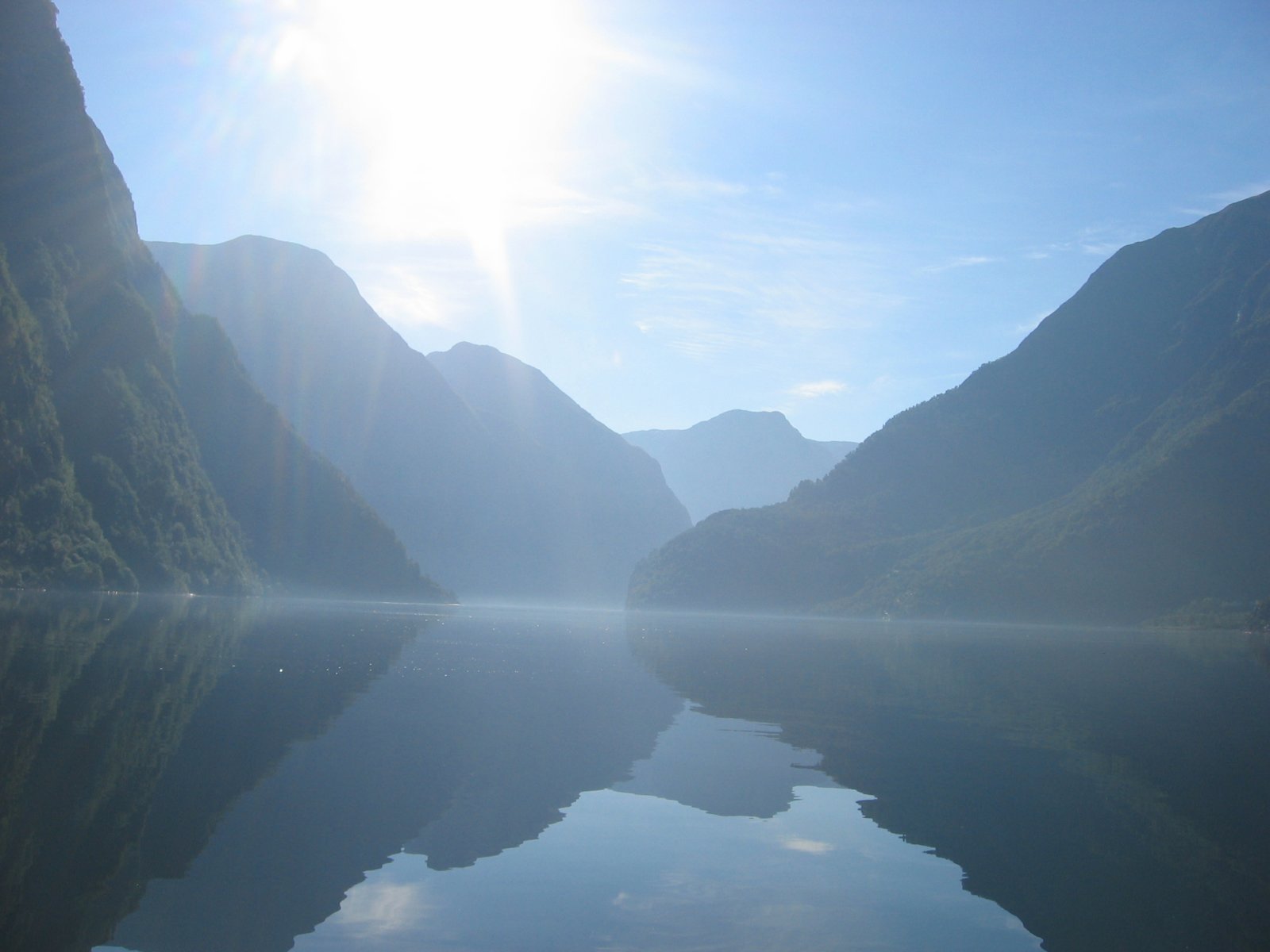
The cultural fabric of the region is rich with traditions that have been passed down through generations. The local communities, though small, are vibrant with cultural expressions. One such tradition is the annual Viking markets held in Gudvangen, where reenactments bring the Viking era to life with crafts, music, and food. The fjord's cultural landscape is also marked by its serene atmosphere, embodying the Norwegian concept of friluftsliv, which emphasizes the connection with nature and outdoor life.
Gastronomy in Nærøyfjorden is a delightful exploration of local flavors. The area is renowned for its goat cheese, particularly from Undredal, which is famous for its brown cheese (brunost). This sweet, caramelized cheese is a staple in Norwegian households and a must-try for any visitor. Fresh seafood is also a highlight, with locally sourced salmon and trout gracing the menus of cozy fjord-side restaurants. The purity of the fjord waters and the sustainable fishing practices ensure the highest quality and taste.
For those keen on discovering the lesser-known aspects of Nærøyfjorden, a journey into its hidden corners reveals fascinating details. The fjord is home to a unique ecosystem, where porpoises and seals are often spotted playing in the clear waters, and the skies are frequently graced by the majestic white-tailed eagle. Additionally, the nearby Flåm Railway, one of the steepest railways in the world, offers an engineering marvel and a thrilling ride through the rugged terrain, showcasing panoramic views that are often missed by the casual traveler.
Visiting Nærøyfjorden is a journey best undertaken during the late spring to early autumn months, from May to September, when the long daylight hours illuminate the fjord's stunning vistas. Travelers should consider taking a fjord cruise, which provides an unparalleled perspective of the sheer cliffs and verdant landscapes. For a more intimate experience, kayaking offers the opportunity to glide silently through the waters, bringing you closer to nature's raw beauty.
When planning a visit, it’s wise to pack layers, as the weather can be unpredictable. Comfortable walking shoes are essential for exploring the trails that wind through the surrounding mountains, offering breathtaking viewpoints and a chance to connect with the tranquil solitude of the fjord. Whether you’re there for a day or a week, Nærøyfjorden promises a profound encounter with one of the world's most awe-inspiring landscapes.