
← Back

Monumental Complex of Santa Maria la Nova

Piazza Giovanni Bovio, 80133 Napoli, Italia ★★★★☆ 212 views
Elena Kapoor
Napoli
🏆 AI Trip Planner 2026

Get the free app

Discover the best of Napoli with Secret World — the AI trip planner with 1M+ destinations. Get personalized itineraries, hidden gems and local tips. Free on iOS & Android.

🧠 AI Itineraries 🎒 Trip Toolkit 🎮 KnowWhere Game 🎧 Audio Guides 📹 Videos
Scan to download iOS / Android
Scan for AppGallery Huawei users

About Monumental Complex of Santa Maria la Nova

Monumental Complex of Santa Maria la Nova - Napoli | Secret World Trip Planner

The history of the Church of Santa Maria la Nova is linked to early conventual movements. The first Franciscan community in Naples (1216) settled on the ruins of a Roman villa, going on to found Santa Maria ad Palatium on the site where Castel Nuovo would later rise. When Carius I of Anjou confiscated the area and gave the Franciscans another piece of land on which to build the new monastery, the present site was built, which took the name Santa Maria La Nova (1279).
Monumental Complex of Santa Maria la Nova - Napoli | Secret World Trip Planner

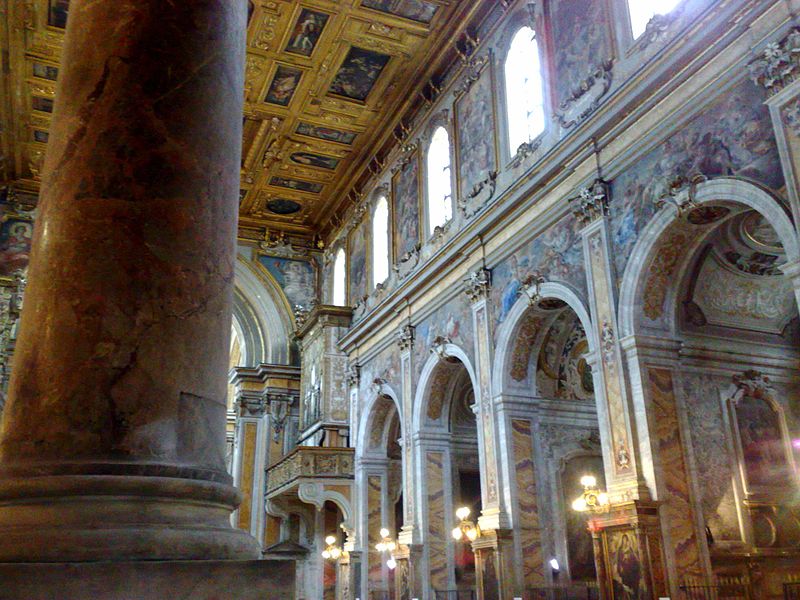
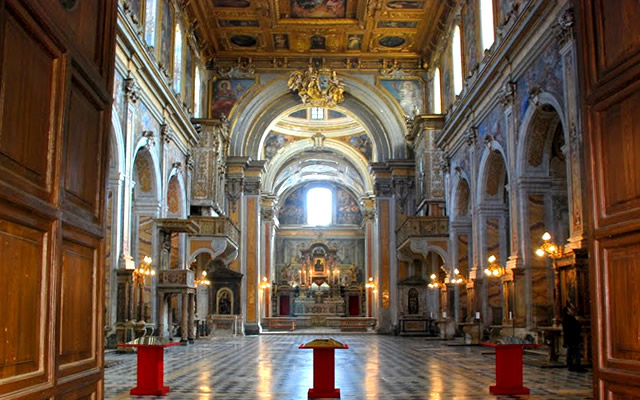
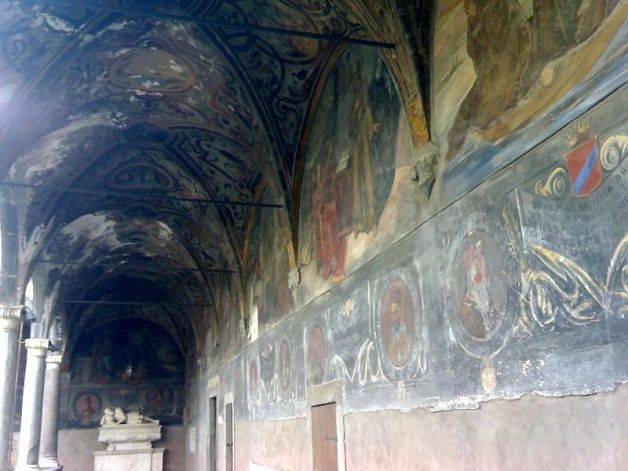
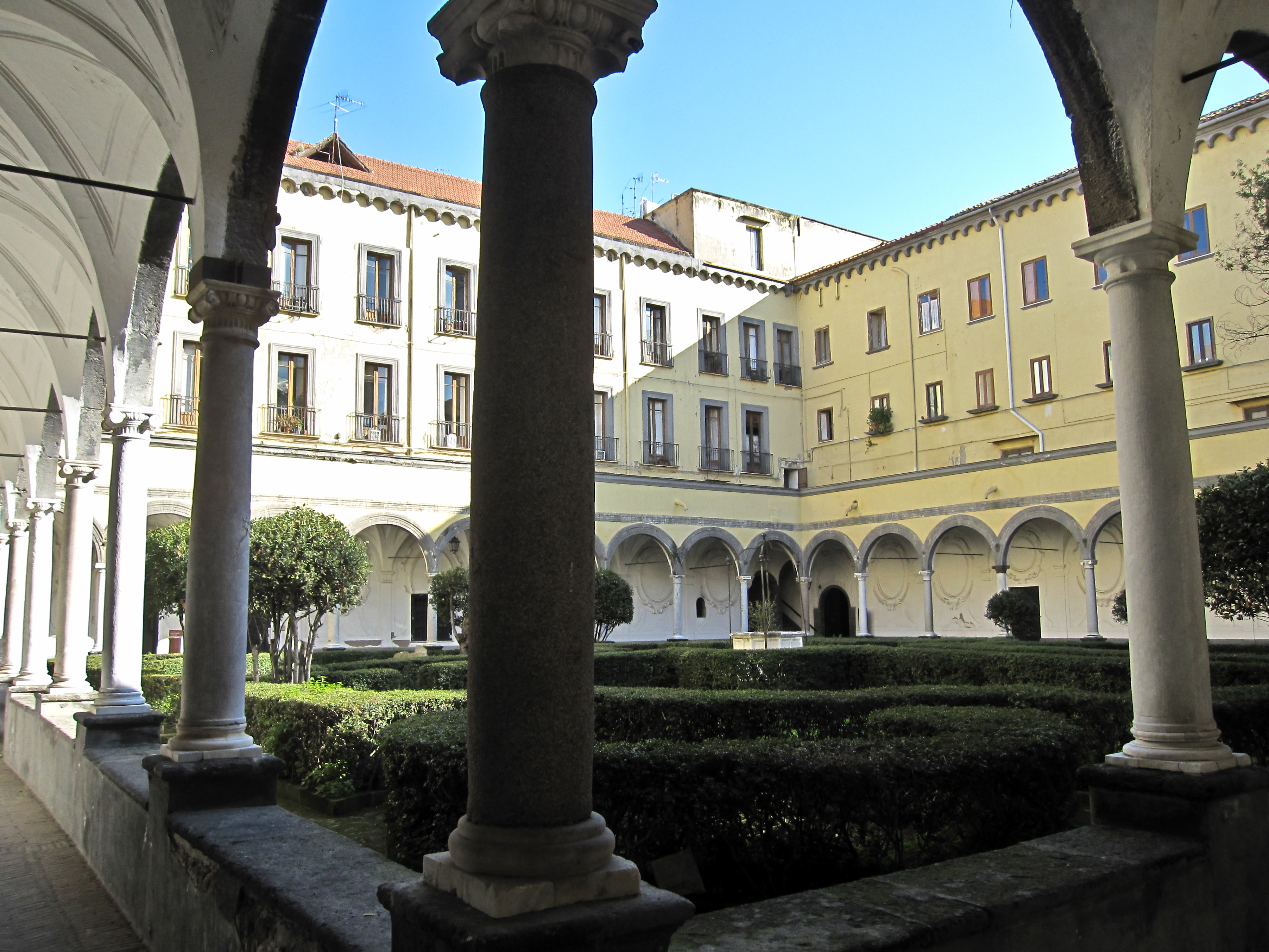
The current appearance of the building is that of the 16th century, having been rebuilt by Giovanni Cola di Franco (1596-1599). The interior, enriched at different times, is dominated by the ceiling, another example, after San Gregorio Armeno, of wooden carpentry, carved and gilded, in which forty-six panels, painted from 1598 to 1603, are embedded. Also visible from the facade is the chapel of St. James of the Marches, frescoed by Massimo Stanzione with scenes from the Saint's life (c. 1644-1646). The convent retains a refectory and two cloisters, the smaller of which is frescoed in the first half of the 17th century with grotesque motifs and scenes from the life of St. James of the Marches.
Monumental Complex of Santa Maria la Nova - Napoli | Secret World Trip Planner
🗺 L'app dei tesori italiani

Plan your visit to Napoli

Suggested itinerary near Monumental Complex of Santa Maria la Nova

MAJ+
500.000+ travelers worldwide
  1. 🌅
    Morning
    Monumental Complex of Santa Maria la Nova
    📍 Napoli
  2. ☀️
    Afternoon
    Carnival and the Neapolitan Migliaccio
    📍 0 km · Napoli
  3. 🌆
    Evening
    Naples : Sant'Aspreno and Aspirina
    📍 0.1 km · Napoli

Buy Unique Travel Experiences

Powered by Viator

See more on Viator.com

Explore nearby · Napoli

Frequently Asked Questions

Santa Maria la Nova was founded in 1279 after King Charles I of Anjou confiscated the Franciscans' original land where Castel Nuovo would later be built, and granted them a new site to construct this monastery. The church was rebuilt in its current 16th-century form by Giovanni Cola di Franco between 1596-1599.
The interior features a stunning wooden carved and gilded ceiling with forty-six painted panels created between 1598-1603, which ranks among Naples' finest examples of wooden carpentry alongside San Gregorio Armeno. The chapel of St. James of the Marches is also notable, decorated with frescoes by the renowned artist Massimo Stanzione depicting scenes from the Saint's life (1644-1646).
The complex features two cloisters, with the smaller one showcasing beautiful 17th-century frescoes featuring grotesque motifs and scenes from the life of St. James of the Marches. Visitors can also explore the original refectory as part of the monastic complex.

The first Franciscan community arrived in Naples in 1216 and initially settled on the ruins of a Roman villa, where they founded Santa Maria ad Palatium at the site of present-day Castel Nuovo. When this land was confiscated, they were relocated to the current Santa Maria la Nova location in 1279.
Architect Giovanni Cola di Franco redesigned the church between 1596-1599, establishing its current Renaissance appearance. The interior decoration continued into the 17th century, with the ceiling panels and chapel frescoes representing some of the finest artistic work from this era in Naples.