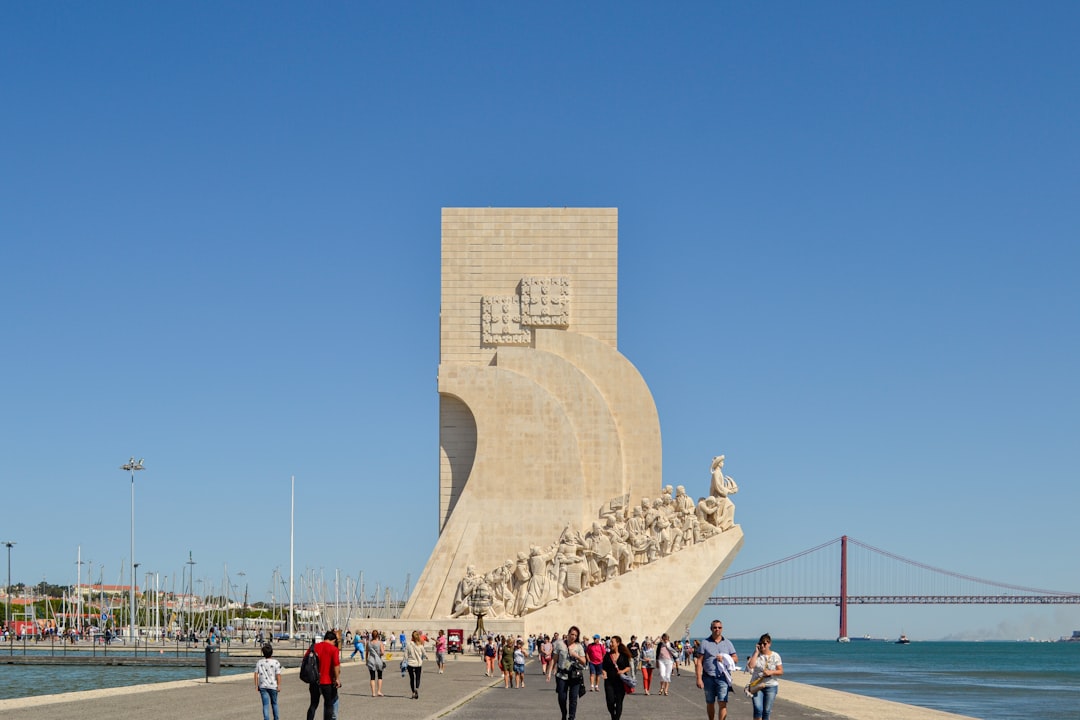

In the heart of São Martinho, a charming location in Portugal, stands the Monument to the Worker, a sculpture that celebrates the commitment and dedication of workers. Created by sculptor Ricardo Velosa in 2004, this bronze work is a tribute to the sacrifice and contribution of the people who have shaped modern society. Its majestic presence invites visitors to reflect on the meaning of work and its importance in daily life.

Located in a region rich in history and culture, the Monument to the Worker is not just a work of art, but also a landmark that attracts the attention of tourists and locals. The sculpture represents a moment of connection between the past and the present, a place where stories of life and struggle intertwine, making it a must-see attraction for anyone visiting Portugal.
History and Origins

The Monument to the Worker, completed in 2004, was conceived to honor work and workers, a theme of great relevance in a country with a strong industrial and artisanal tradition. The choice of bronze as a material is not accidental: this alloy represents solidity and resilience, fundamental characteristics of the worker. Velosa's work fits into a context of reevaluation of cultural and historical heritage, emphasizing the importance of collective memory.
The sculpture is not only a tribute to workers but also an invitation to reflect on how work defines individual and collective identities. Its location in São Martinho, a place that has seen significant evolutions over the years, further accentuates the message of continuity and change that the monument represents.
Elements to Observe
One of the most fascinating features of the Monument to the Worker is its dynamic form and the carefully crafted details that tell a story of struggle and determination. The work is designed to capture attention from different angles, inviting visitors to explore every nuance and grasp the profound meaning of what it represents. The anatomical details and poses of the sculpted workers convey a sense of movement and vitality, making the sculpture not just a static object, but a visual narrative in constant evolution.
Moreover, the context in which the monument is located further enriches the visitor's experience. Surrounded by green spaces and resting areas, the monument offers a unique opportunity for reflection and contemplation. It is a place where people can stop, meditate, and appreciate the importance of work in contemporary society.
Why It Is Interesting Today
Today, the Monument to the Worker is not just a symbol of celebration, but also a starting point for broader conversations about work and its implications in the modern world. In an era where the meaning of work is constantly evolving, this sculpture invites consideration of the challenges and opportunities that workers face. Its relevance extends beyond the local context, touching on universal themes concerning the dignity of work and the recognition of its value.
Furthermore, the monument has become a meeting and exchange place for the community, fostering events and demonstrations that celebrate work and social commitment. Its presence continues to inspire, stimulating discussions and reflections that are fundamental for the growth and progress of society.
Practical Information for Visitors
For those wishing to visit the Monument to the Worker, it is easily accessible due to its central location in São Martinho. The area is well connected by public transport and offers various parking options for those arriving by car. It is advisable to plan a visit during daylight hours when the monument is naturally illuminated, allowing for a full appreciation of its details and majesty.
Finally, for an even richer experience, visitors can explore the surroundings and discover other historical and cultural attractions in the region. Don't forget to check the Secret World app for more information and suggestions on what to do and see nearby.