
In the heart of Milan, a city steeped in history and culture, lies the treasure trove of the Ca' Granda. This remarkable institution, founded in the 15th century, stands as a testament to the enduring legacy of healthcare and art in Italy. Established by Duke Francesco Sforza in 1456, the Ospedale Maggiore—or the Ca' Granda—was envisioned as a hospital for the poor and a center for medical innovation. Over the centuries, it evolved into a critical institution, not only for its medical advancements but also for its artistic contributions.

The Ca' Granda is not just an architectural marvel; it embodies the spirit of Renaissance Milan. Its original design, attributed to Filippo da Carrara, showcases a blend of Gothic and Renaissance styles, marked by grand arches and elegant columns. The complex has undergone various renovations, yet its historical essence remains intact, offering visitors a glimpse into the past.
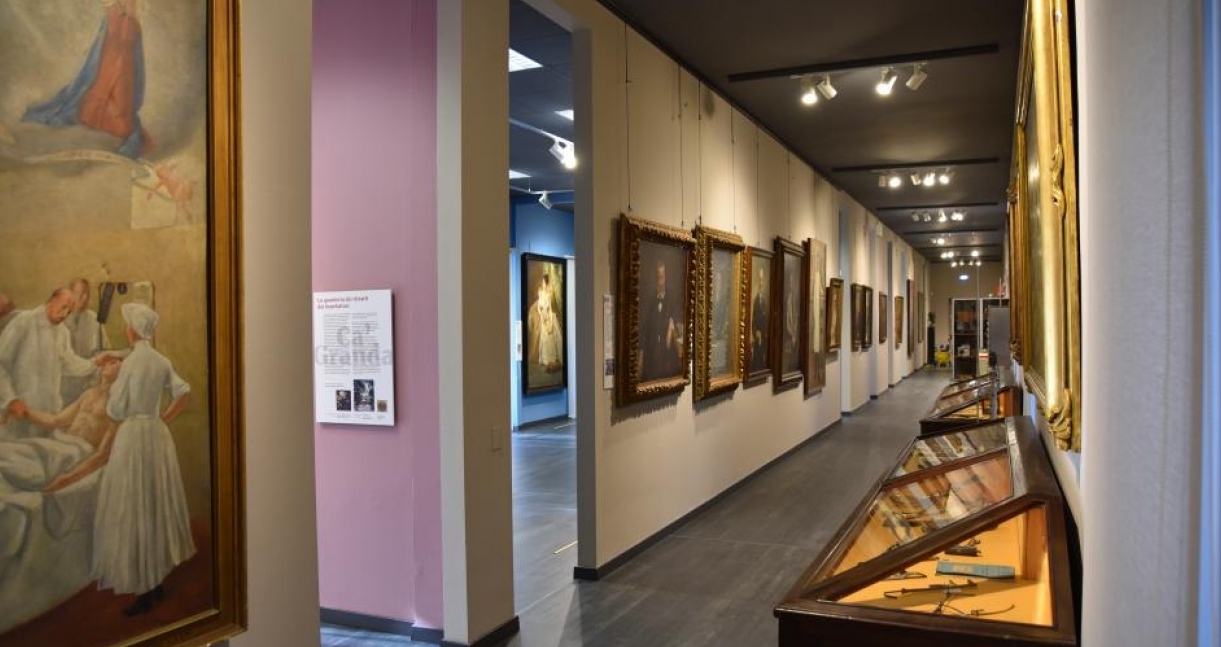
Today, the Treasures of the Ca' Granda exhibition is housed in Via Francesco Sforza, within the administrative offices and the Historical Archives of the Policlinico di Milano. This exhibition features five permanent rooms displaying 23 portraits of benefactors from the 17th to the 20th century. Renowned artists such as Giovanni Segantini, Francesco Hayez, and Carlo Carrà are represented, each portrait revealing the personality and contributions of these influential figures. The paintings serve as a visual narrative of the hospital's history, highlighting the philanthropic spirit that has sustained it for centuries.
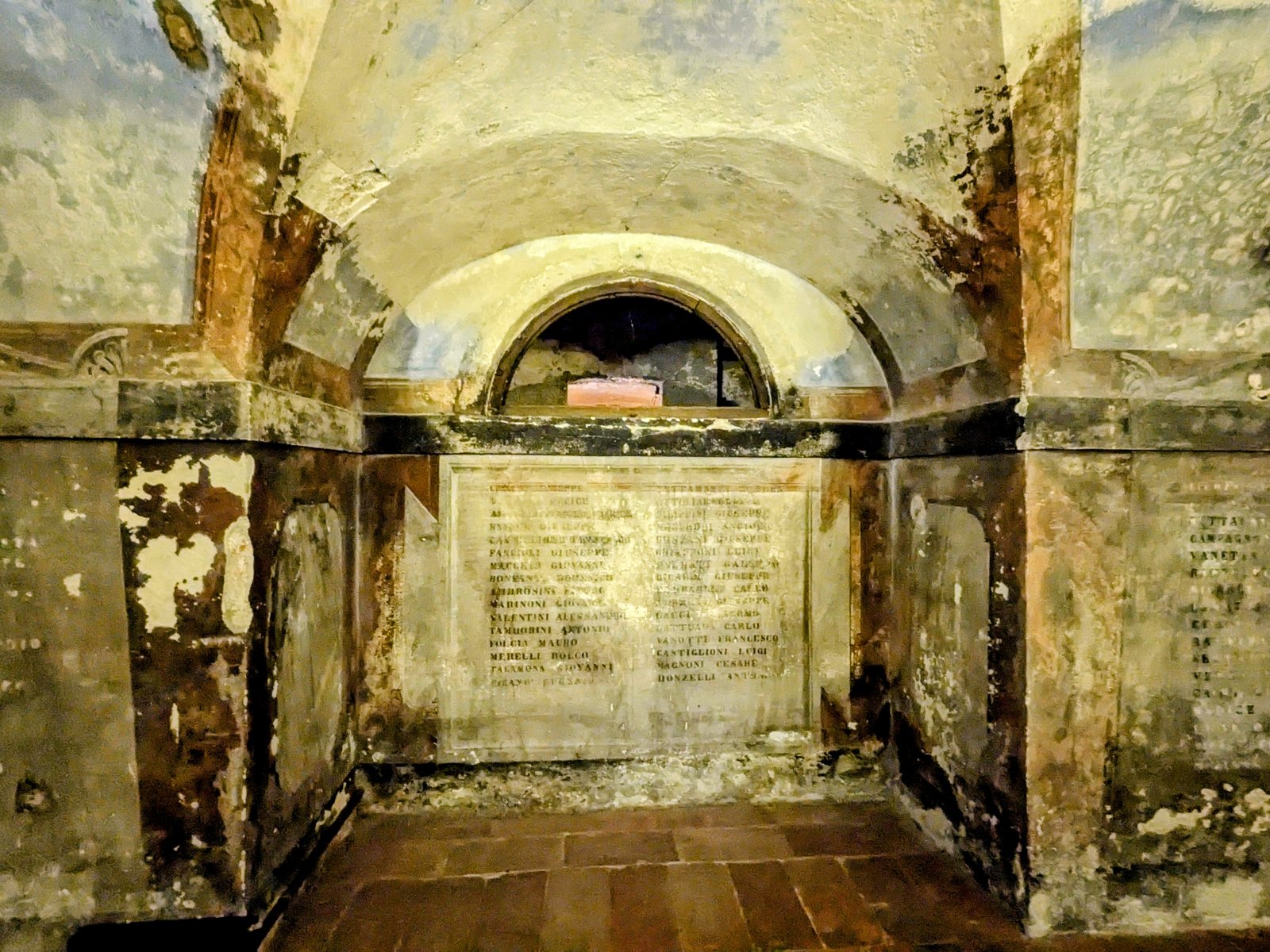
Alongside these portraits, the exhibition showcases five stunning sculptures, including the likeness of Duke Francesco Sforza himself and St. Carlo Borromeo, a key benefactor who championed the hospital's mission. These sculptures not only enhance the artistic value of the collection but also provide insight into the individuals who shaped the institution's legacy.
As visitors explore the exhibition, they will also encounter a fascinating collection of medical instruments that trace the evolution of medicine. This collection serves as a reminder of the hospital's role in advancing medical practices, showcasing tools that have been pivotal in the history of healthcare.
Milan's local culture is deeply intertwined with its rich traditions and festivals. One notable event is the Feast of Forgiveness, celebrated annually in early September. This festival honors the spirit of compassion and healing, reflecting the ethos of the Ca' Granda. During this time, the community gathers to participate in various activities, including processions and performances that highlight Milanese culture.
The culinary scene in Milan is equally vibrant, offering a delightful array of local foods that encapsulate the region's flavors. Traditional dishes such as Risotto alla Milanese, made with saffron, and Ossobuco, a slow-cooked veal shank, are must-tries for any visitor. Pair these dishes with a glass of Franciacorta, a sparkling wine that beautifully complements the rich Milanese cuisine.
For those seeking lesser-known curiosities, the Ca' Granda holds several surprises. One fascinating detail is the hospital's role in the development of public health practices in Milan, particularly in the 18th and 19th centuries. Furthermore, the building's intricate frescoes, often overlooked by tourists, tell stories of healing and hope, offering a deeper connection to the hospital's mission.
When planning a visit to Milan, the best time to experience the Ca' Granda Treasures is during the spring and early autumn months. The weather is mild, and the city is alive with cultural events and outdoor activities. To make the most of your visit, take the time to explore the surrounding area, which is filled with charming cafes and boutique shops.
As you wander through the exhibition, look for the detailed inscriptions accompanying each artwork; they provide context and enhance your understanding of the historical significance of the pieces. Don’t forget to admire the architectural beauty of the Ca' Granda itself, with its grand facades and tranquil courtyards.
In conclusion, the Ca' Granda is more than just a historical site; it is a vibrant part of Milan's cultural fabric, combining art, history, and healthcare in a unique way. To truly appreciate the depth of what this city has to offer, consider using the Secret World app to plan a personalized AI itinerary to visit Milan.