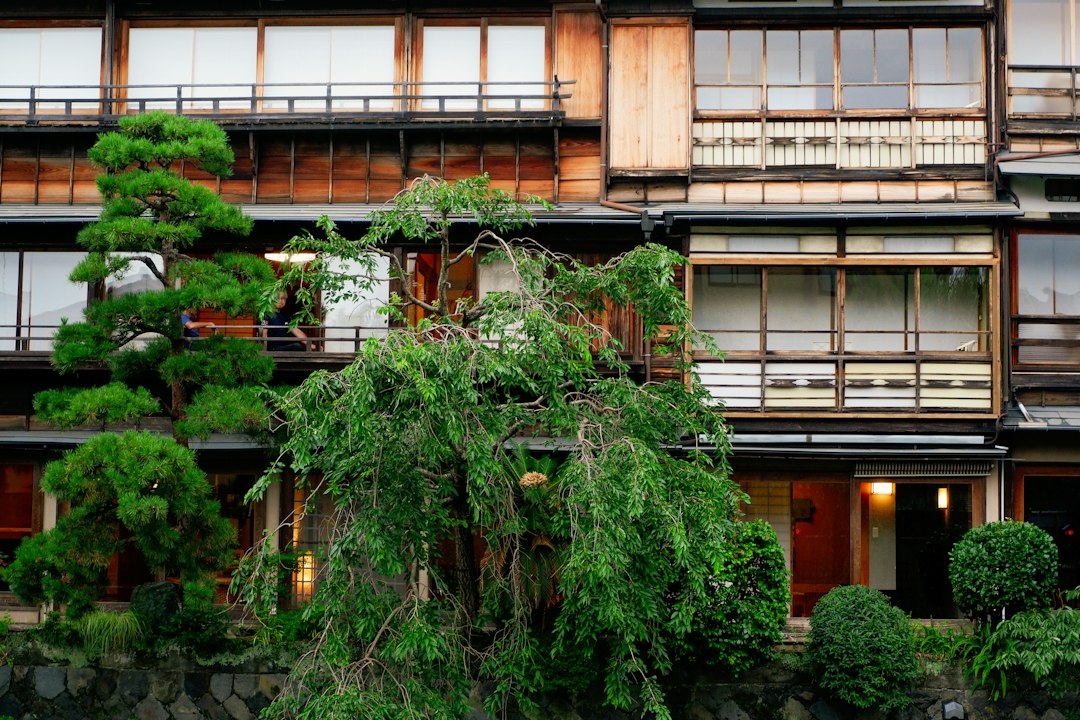

When the sun begins to set over Suruga Bay, the shadows of the black pines stretch across the dark sand and the unmistakable silhouette of Mount Fuji slowly emerges from the mist, reflecting on the water. We are at Miho no Matsubara, a curved stretch of coastline on the Miho Peninsula, in Shizuoka Prefecture, where hundreds of Japanese black pines (kuromatsu) — some over four hundred years old — form a dense and silent forest just a few meters from the sea. This is not just any sunset: it is one of those moments when the light transforms an already extraordinary landscape into something almost unreal.
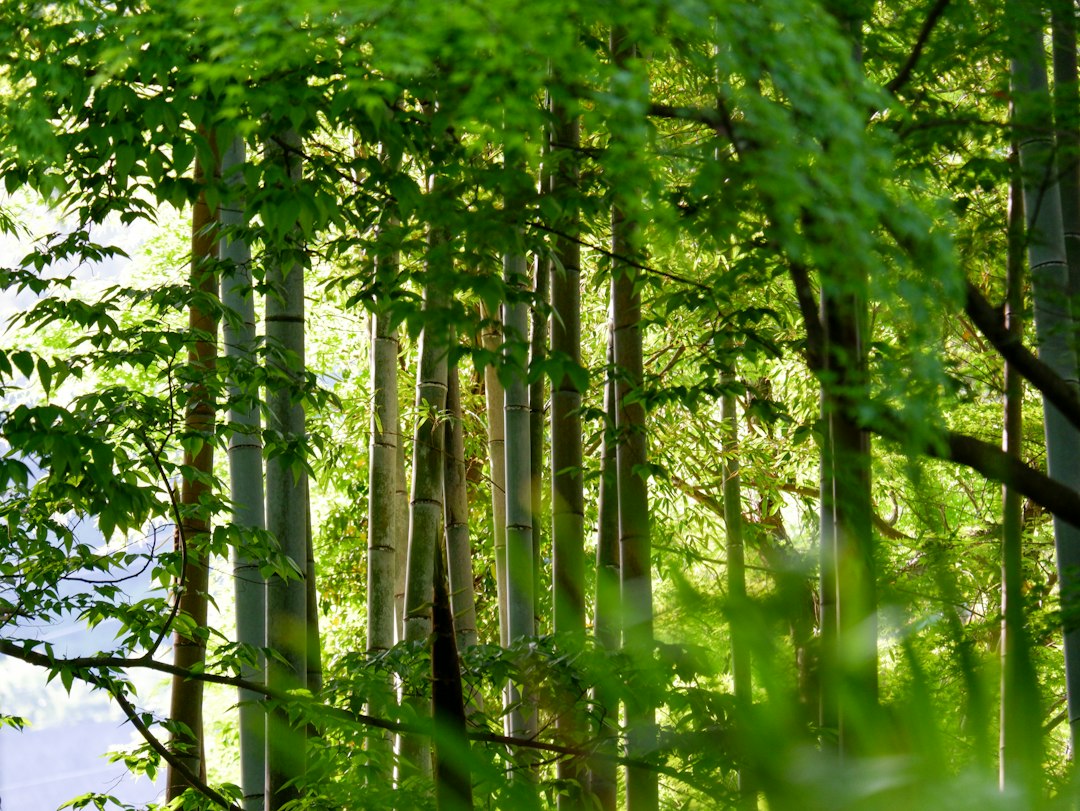
This stretch of coastline, about 7 kilometers long, has been a UNESCO World Heritage site since 2013, included in the serial site dedicated to Mount Fuji. But formal protection does not convey the physical experience of the place: walking under the arch of the pines, feeling the sand crunching underfoot, and seeing Fuji rise in the distance is something that numbers and classifications cannot contain.
A landscape that the Japanese have celebrated for centuries
Miho no Matsubara is not a recent discovery. This pine forest overlooking the sea already appears in medieval Japanese literature and art, cited as one of the most beautiful places in the country. The local legend tells that on one of the pines in the forest — called Hagoromo no Matsu, the Pine of the Feather Mantle — a tennin (a celestial being) hung her magical garment before bathing in the sea. A fisherman found it, and the tennin, to get it back, danced the heavenly dance for him. The current tree, indicated by a sign along the seaside, is actually a relatively young specimen that has replaced the historical predecessor, but the site retains all its symbolic charge.
This layering of myth, art, and natural landscape is what makes Miho different from a simple scenic beach. Each pine has a story visible in its shape: trunks twisted by the sea wind, branches extending in improbable directions, roots emerging from the sand like fingers. Walking along the main path, one has the feeling of traversing a collective sculpture shaped by centuries of wind and salt spray.
The sunset: why it's worth the trip
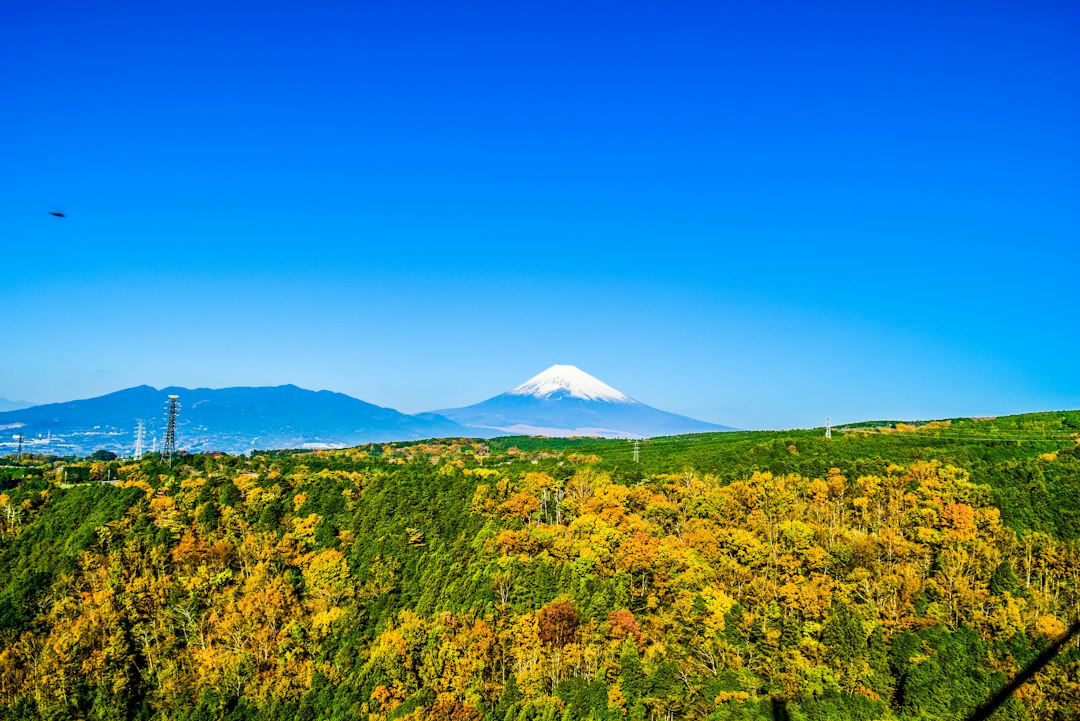
The geographical location of Miho no Matsubara makes it exceptional for observing the sunset. The peninsula faces west over Suruga Bay, and on clear days — more frequent in autumn and winter — the sun sets exactly in the direction of Mount Fuji, creating a silhouette that seems designed to be photographed. The black pines, with their irregular and dramatic profiles, become dark shapes against a sky that shifts from orange to purple, while the reflection of Fuji on the water fragments in the small waves of the bay.
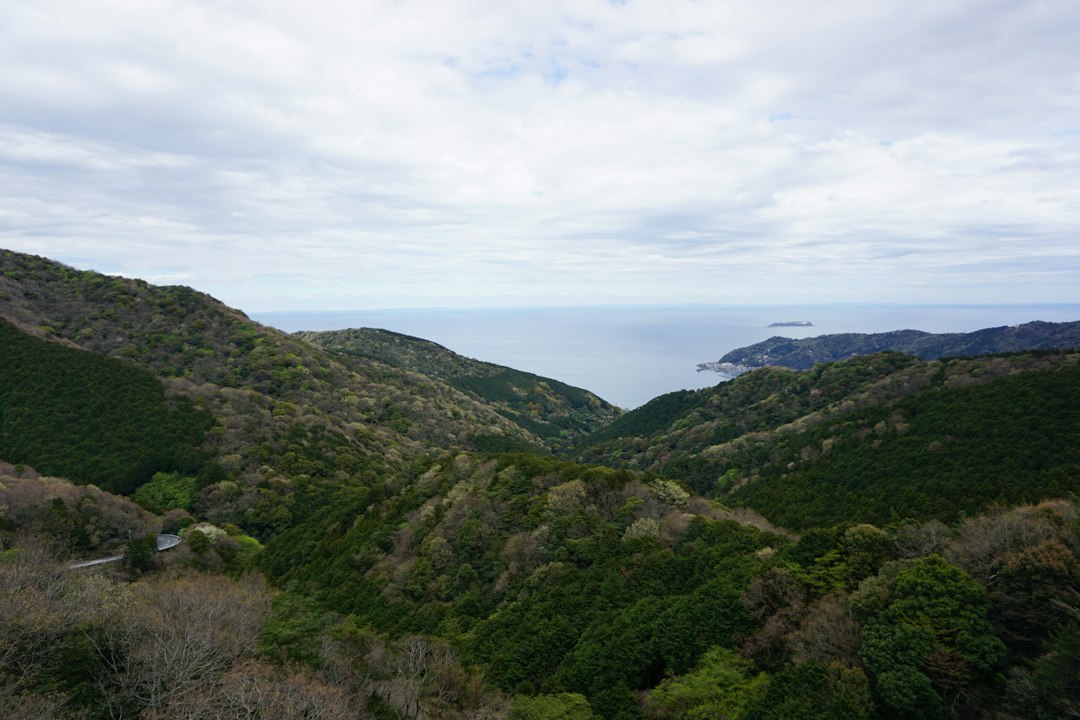
Japanese photographers know this place well: in the hours before sunset, especially on weekends in October and November, tripods are lined up along the shore. The best light lasts about twenty minutes, but it's worth every minute of waiting. Those who arrive without a camera still take something away: the feeling of being inside a woodblock print from the Edo period, where every element — the sea, the pines, the mountain — is in its exact place.
How to get there and when to go
The nearest station is Miho no Matsubara Station, accessible via the Shizuoka Railway (Shizutetsu) line from Shin-Shizuoka station. The total journey from Shizuoka takes about 40-50 minutes between train and local bus. Alternatively, direct buses to the Miho Peninsula depart from Shimizu station (JR Tōkaidō line).
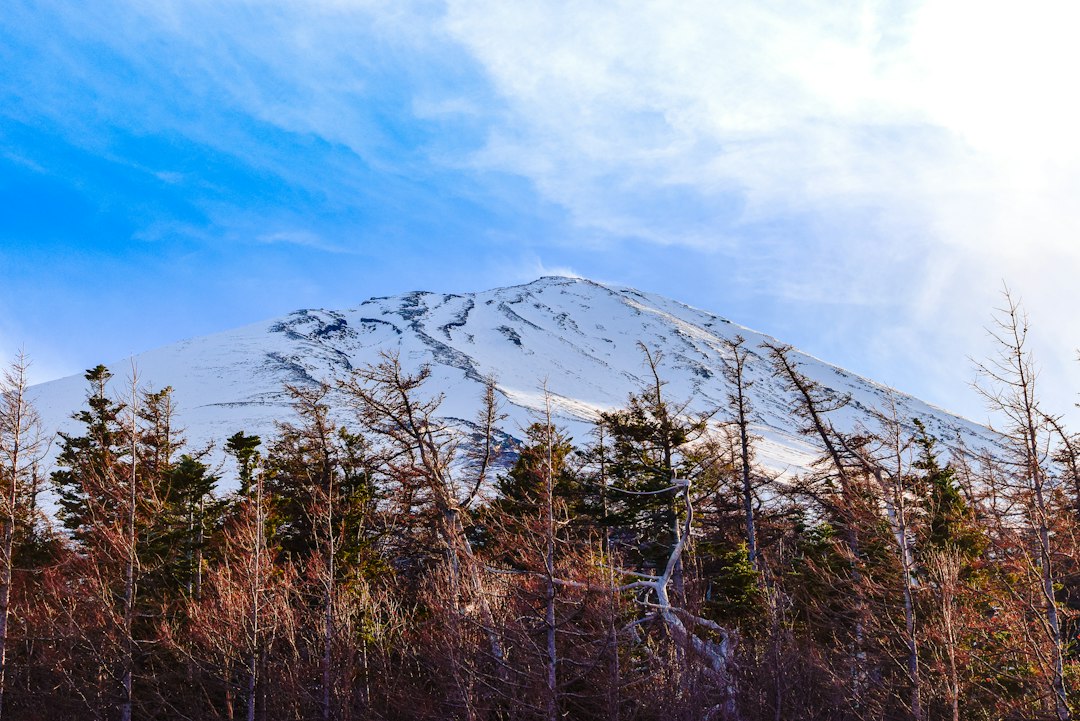
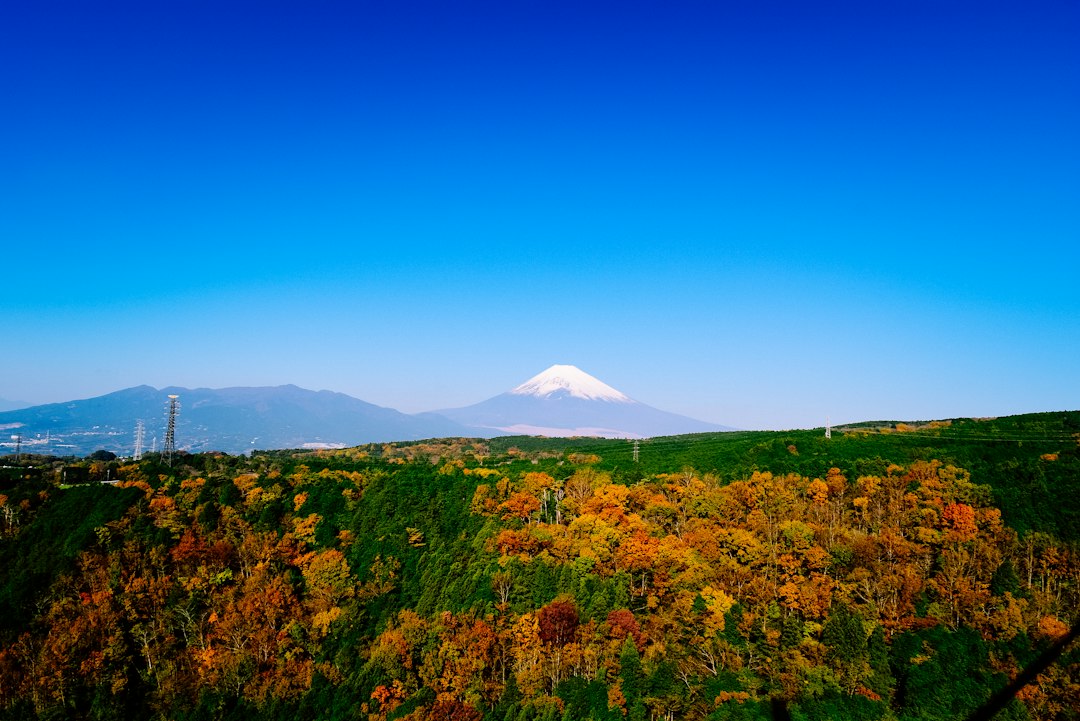
The best time to visit is October-February, when the cold air ensures excellent visibility and Fuji is often covered in snow, making it even more recognizable on the horizon. In summer, haze often reduces the visibility of the mountain, and the sunset experience loses some of its impact. Arriving at least an hour before sunset allows for a leisurely walk along the trail and choosing the preferred observation point. Access to the forest and the beach is free.
What to Observe Up Close
In addition to the overall view, it is worth stopping to notice the details: the bark of the oldest pines is marked by deep cracks and has a coloration that ranges from silver gray to dark red. Some trees bear small identification plaques with the estimated age. The sand on the beach is dark, almost black in certain areas, due to the presence of volcanic minerals — a detail that reinforces the sense of being in a landscape shaped by the geology of Fuji itself.
Bringing something warm is essential during winter visits: the wind coming from the sea can be biting, and the wait for sunset often extends beyond expectations. But it is precisely in that cold, with the pines creaking and Fuji becoming sharper as the light fades, that Miho no Matsubara reveals its most authentic nature.