← Back

Miguasha National Park

231 Rte de Miguasha O, Nouvelle, QC G0C 2E0, Canada ★★★★☆ 135 views
Concita Moriel Ortega
Nouvelle
🏆 AI Trip Planner 2026

Get the free app

Discover the best of Nouvelle with Secret World — the AI trip planner with 1M+ destinations. Get personalized itineraries, hidden gems and local tips. Free on iOS & Android.

🧠 AI Itineraries 🎒 Trip Toolkit 🎮 KnowWhere Game 🎧 Audio Guides 📹 Videos
Scan to download iOS / Android
Scan for AppGallery Huawei users

About Miguasha National Park

Miguasha National Park - Nouvelle | Secret World Trip Planner

Explore Miguasha National Park in southeastern Quebec to discover what the “Age of Fishes,” or the Devonian Period, looked like 370 million years ago. Back then, the coast of the Gaspé Peninsula was a tropical paradise where an astonishing variety of fish and plants thrived. Today, it’s renowned for its exquisitely preserved fish fossils, including specimens like the Eusthenopteron foordi, whose limb-like fins and respiratory system gave rise to the first four-legged, air-breathing terrestrial vertebrates.
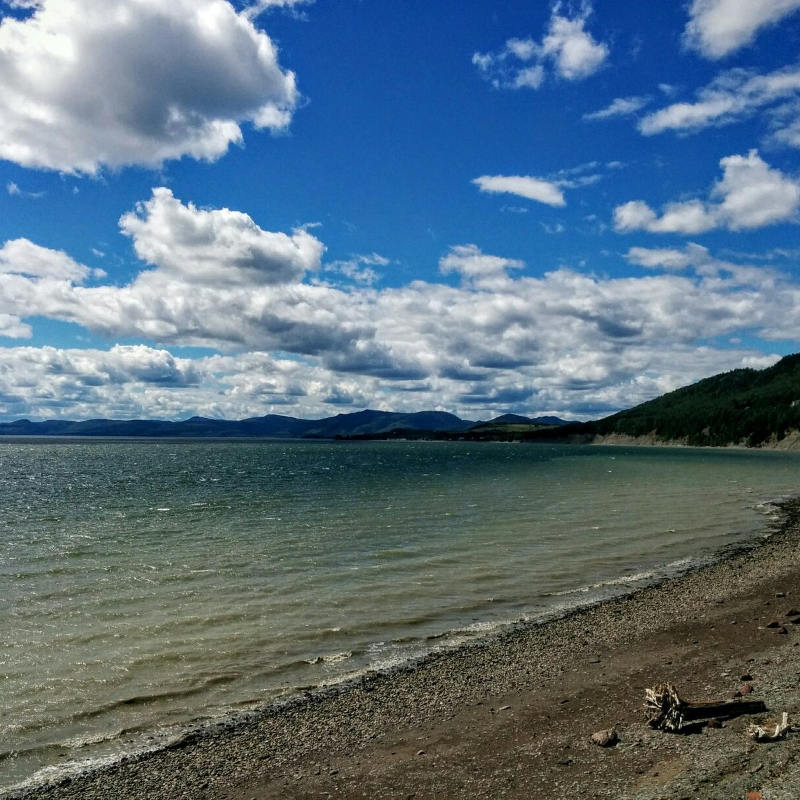

Miguasha National Park - Nouvelle | Secret World Trip Planner

Buy Unique Travel Experiences

Powered by Viator

See more on Viator.com

Frequently Asked Questions

Miguasha National Park is renowned for its exquisitely preserved fish fossils from the Devonian Period, 370 million years ago. The most notable specimen is the Eusthenopteron foordi, a fish with limb-like fins and a respiratory system that represents a crucial evolutionary step toward the first four-legged, air-breathing terrestrial vertebrates.

During the Devonian Period, the coast of the Gaspé Peninsula where Miguasha is located was a tropical paradise teeming with an astonishing variety of fish and plants. This warm, thriving environment created ideal conditions for the preservation of fossils that we can explore today.
Miguasha National Park is situated in southeastern Quebec on the Gaspé Peninsula. This location is significant because it provides access to fossil sites that date back to the Age of Fishes, making it a prime destination for paleontology enthusiasts.
Miguasha National Park houses fossils that document a critical moment in evolutionary history when fish were transitioning to land-dwelling vertebrates. The Eusthenopteron foordi specimens found here showcase limb-like fins and respiratory adaptations that bridged the gap between aquatic and terrestrial life.
Miguasha National Park preserves fossils from the Devonian Period, also known as the "Age of Fishes," which occurred approximately 370 million years ago. This era was characterized by the dominance and diversification of fish species in aquatic environments worldwide.