
← Back

Methoni Castle

Unnamed Rd, Methoni 240 06, Grecia ★★★★☆ 187 views
Margherita Nera
Methoni
🏆 AI Trip Planner 2026

Get the free app

Discover the best of Methoni with Secret World — the AI trip planner with 1M+ destinations. Get personalized itineraries, hidden gems and local tips. Free on iOS & Android.

🧠 AI Itineraries 🎒 Trip Toolkit 🎮 KnowWhere Game 🎧 Audio Guides 📹 Videos
Scan to download iOS / Android
Scan for AppGallery Huawei users

About Methoni Castle

Methoni Castle - Methoni | Secret World Trip Planner

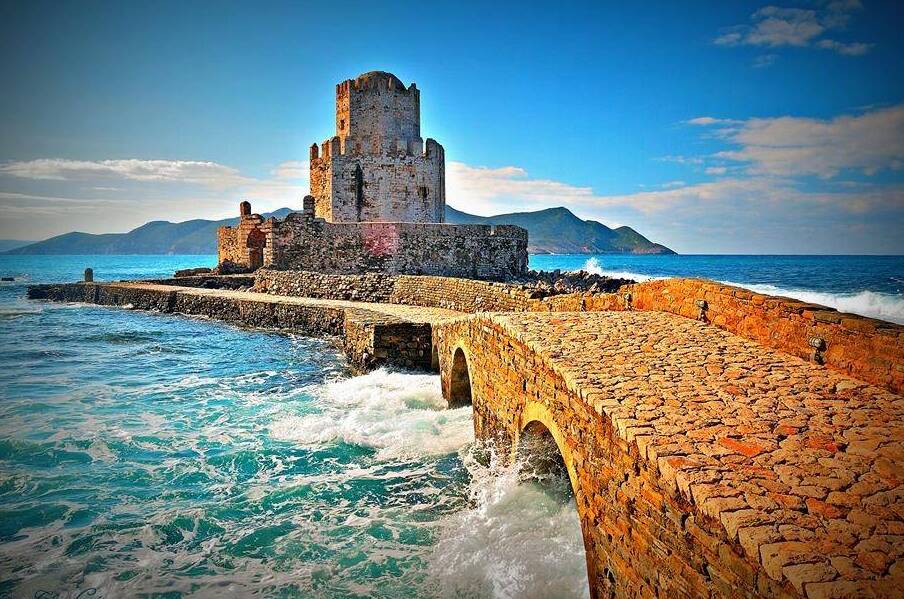
Perched on a rocky promontory, Methoni Castle is an enchanting testimony to the Venetian architectural legacy and rich history of the Peloponnese region in Greece. Constructed in the early 13th century, this impressive fortress is one of the largest castles in the Mediterranean, embodying the strategic importance of the area during the tumultuous medieval period.

### History and Origins The roots of Methoni Castle stretch back to ancient times, with the site believed to have been fortified as early as the 5th century BC. Its strategic position overlooking the waters of the Ionian Sea made it a vital hub for trade and military defense. However, it was the Venetians who truly transformed the site into a formidable fortress in 1209 after capturing it from the Byzantines. Throughout the centuries, the castle witnessed numerous sieges and battles, notably during the Ottoman conquest, which began in the 15th century. Methoni served as a key naval base for both the Venetians and the Ottomans, with the castle changing hands several times until it finally fell into Greek control in 1828 during the Greek War of Independence.

### Art and Architecture The architectural charm of Methoni Castle lies in its fusion of Venetian and Ottoman styles. The castle spans an impressive area, characterized by thick stone walls and a remarkable stone bridge with 14 arches that connects it to the mainland. This bridge replaced an earlier wooden structure, showcasing the engineering prowess of its Venetian builders.

Upon entering through the grand main gate, visitors are greeted by the iconic Lion of St. Mark, a symbol of Venice that stands guard over the entrance. The castle walls are adorned with intricate reliefs, coats of arms, and various inscriptions that tell tales of its storied past. Not far from the main gate lies the Bourtzi, a fortified island built in 1500, which once served as a prison and execution site during the Ottoman era.

### Local Culture and Traditions The region surrounding Methoni Castle is rich in local customs and traditions that celebrate its history. One of the most vibrant events is the Methoni Carnival, held annually in February or March, featuring colorful parades, traditional music, and dance. This celebration not only honors the town's heritage but also fosters a sense of community among the locals.

Moreover, the castle itself serves as a backdrop for various cultural festivals throughout the year, showcasing local crafts, music, and theatrical performances that reflect Peloponnesian culture. The castle's historical significance continues to inspire local artists and artisans, making it an integral part of the community's identity.

### Gastronomy No visit to Methoni would be complete without indulging in the local cuisine. The town boasts a range of traditional Greek dishes, heavily influenced by its coastal location. Fresh seafood is a highlight, with local tavernas serving delicacies such as grilled octopus, squid, and sardines. Don't miss trying the Souvlaki, marinated meat skewers that are a staple in Greek cuisine.

Additionally, the region is known for its Messenian olive oil, considered among the best in Greece, and the sweet, syrupy dessert known as Baklava. Pair your meal with a glass of local Mavrodaphne wine or a refreshing Ouzo, an anise-flavored aperitif that perfectly complements the delicious flavors of the area.

### Lesser-Known Curiosities While many visitors flock to the castle for its grandeur, few are aware of the stories etched into its stones. One intriguing fact is that the Bourtzi, the small island fortress, was not just a prison; it was also rumored to be the site of various secret meetings among local revolutionaries during the fight for independence.

Additionally, the castle has been the backdrop for various films and documentaries, making it a hidden gem for cinema enthusiasts. The rugged beauty and historical significance of the site have provided a dramatic setting that captures the essence of Greece’s rich history.

### Practical Visitor Information The best time to visit Methoni Castle is during the spring (April to June) and autumn (September to October) months when the weather is mild, and the crowds are fewer. The castle is open year-round, but early morning or late afternoon visits provide a more tranquil experience, allowing you to soak in the breathtaking views of the surrounding sea and landscape.

When exploring, be sure to wear comfortable shoes, as the uneven terrain can be challenging. Don’t forget to bring your camera; the stunning vistas from the castle walls are truly Instagram-worthy. Look out for the well-preserved features such as the moat and the ancient stones that whisper tales of centuries past.

In conclusion, Methoni Castle is more than just a historical monument; it’s a gateway into Greece's rich tapestry of culture, tradition, and culinary delights. To uncover more about this enchanting destination and personalize your itinerary, consider using the Secret World app for a tailored travel experience.

🗺 L'app dei tesori italiani

Plan your visit to Methoni

Suggested itinerary near Methoni Castle

MAJ+
500.000+ travelers worldwide
  1. 🌅
    Morning
    Methoni Castle
    📍 Methoni
  2. ☀️
    Afternoon
    The catacombs of St. Onouphrios
    📍 0.4 km · Methoni
  3. 🌆
    Evening
    The castle of Methoni
    📍 0.5 km · Methoni

Buy Unique Travel Experiences

Powered by Viator

See more on Viator.com

Explore nearby · Methoni

Frequently Asked Questions

Methoni Castle was originally fortified as early as the 5th century BC, but it was the Venetians who transformed it into the impressive fortress we see today in 1209 after capturing it from the Byzantines. The castle then changed hands between various powers, including the Ottomans, before falling under Greek control in 1828 during the Greek War of Independence.
The castle features a remarkable stone bridge with 14 arches that connects the fortress to the mainland, showcasing the engineering prowess of its Venetian builders. This impressive structure replaced an earlier wooden bridge and remains one of the most distinctive architectural features of the castle.
The Lion of St. Mark is an iconic symbol of Venice that stands guard over the castle's grand main gate entrance. This emblematic relief represents the Venetian heritage and architectural legacy that defines much of Methoni Castle's character and design.
The Bourtzi is a fortified island built in 1500 near the main gate of Methoni Castle that once served as a prison. This structure adds to the castle's impressive defensive capabilities and historical significance as a major Mediterranean fortress.
Methoni Castle's strategic position overlooking the Ionian Sea made it a vital hub for trade and military defense, which is why it became one of the largest castles in the Mediterranean. Its location and fortifications made it a key naval base for both the Venetians and Ottomans throughout the medieval and Ottoman periods.