




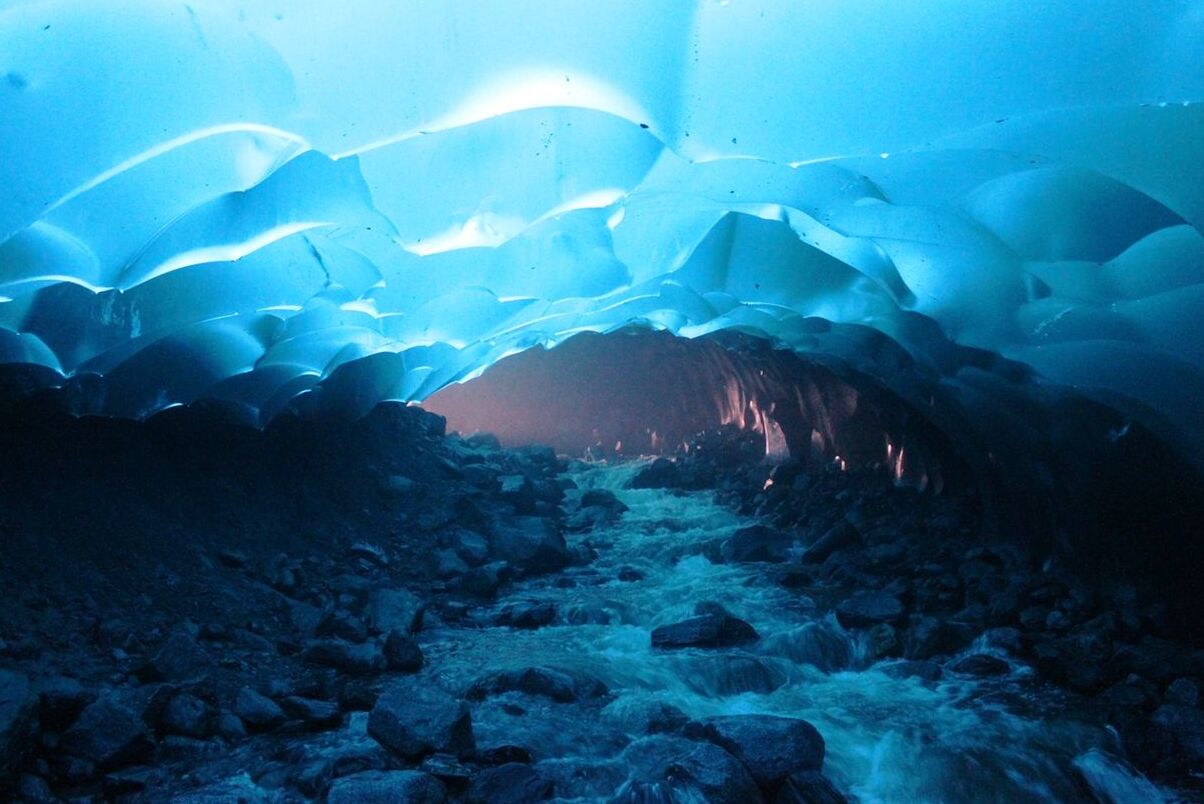
Nestled in the heart of southeastern Alaska, Mendenhall Glacier is a breathtaking jewel that beckons visitors with its ethereal beauty and adventurous spirit. Stretching approximately 19 kilometers from the Juneau Icefield, this glacier has become one of the most popular attractions for those exploring the majestic landscapes of Alaska. Its striking blue ice and the surreal environment it creates conjure images of a fantasy world, where nature reigns supreme.

History and Origins
The history of Mendenhall Glacier is as captivating as its frozen landscape. The glacier was named after Walter Mendenhall, a U.S. Geological Survey scientist who studied the region in the early 20th century. However, the area has a much older history, dating back thousands of years to the Tlingit people, who inhabited the coastal regions of Alaska. They called the glacier “Sitaantaagu,” meaning “the glacier that was in the way.” For the Tlingit, the glacier holds not only natural significance but also cultural importance, deeply woven into their lore and traditions.

During the Little Ice Age, which began around the 14th century, Mendenhall Glacier advanced significantly, shaping the surrounding landscape and creating deep fjords. As the glacier began to retreat in the late 19th century, scientists and explorers took notice, marking a period of heightened interest in glaciology. Today, Mendenhall serves as a critical indicator of climate change, making its study vital for understanding global warming.
Art and Architecture
While Mendenhall Glacier itself is a natural masterpiece, the area surrounding it features architecture that pays homage to its stunning landscape. The Mendenhall Glacier Visitor Center, built in 2001, is designed to blend seamlessly with its environment. The center showcases a contemporary architectural style that emphasizes sustainability and education. Inside, visitors can explore exhibits that delve into glaciology, local wildlife, and the cultural significance of the region.
Artistic significance lies not only in the built environment but also in the photography and artwork inspired by the glacier’s breathtaking views. Local artists often capture the mesmerizing blues and dynamic forms of the ice, creating a vibrant artistic community that celebrates Alaska's natural beauty.
Local Culture and Traditions
The culture of Juneau and its surroundings is a rich tapestry woven from Native traditions and the legacy of European settlers. The Tlingit people continue to celebrate their heritage through various festivals and gatherings, such as the Celebration, which occurs every two years. This event showcases traditional dance, art, and storytelling, allowing visitors to immerse themselves in the vibrant culture of the Indigenous community.
In addition to Tlingit traditions, Juneau is known for its modern cultural expressions, including live music, theater, and art galleries. The community actively supports local artisans, often featuring their work in the downtown area and during events like First Friday, when galleries and shops open their doors for special exhibitions.
Gastronomy
Mendenhall Glacier is not just a feast for the eyes; it also serves as a starting point for culinary exploration. The region is abundant in fresh seafood, with local specialties including salmon, halibut, and crab. One must-try dish is the salmon bake, often accompanied by seasonal vegetables and traditional sides. Juneau's breweries have also gained popularity, with local craft beers that reflect the flavors of the region.
For a unique experience, consider sampling “reindeer sausage,” a beloved local delicacy that highlights the area's blend of Native and settler cuisine. Pair it with a local beer for a true taste of Alaskan culture.
Lesser-Known Curiosities
Beyond the glacier's majestic exterior, a wealth of hidden wonders awaits discovery. Few realize that beneath the glacier lie enchanting ice caves, formed by the movement of water and ice. These caves, with their striking blue hues and intricate formations, provide a unique glimpse into the dynamic nature of glaciers.
Another surprising fact is that Mendenhall Glacier is home to a unique ecosystem. The area supports diverse wildlife, including bald eagles, black bears, and mountain goats. Adventurous visitors might catch a glimpse of these animals while hiking around the glacier.
Moreover, the glacier has been featured in various films and documentaries, showcasing its allure to not only tourists but also filmmakers seeking to capture the awe-inspiring beauty of nature.
Practical Visitor Information
The best time to visit Mendenhall Glacier is during the summer months from late May through mid-September when the weather is milder, and the days are longer. During this period, the Visitor Center operates with extended hours, offering educational programs and guided tours.
When visiting, be sure to take advantage of the walking trails that provide stunning views of the glacier and the surrounding mountains. The Mendenhall Lake offers opportunities for kayaking and canoeing, allowing visitors to experience the glacier from a different perspective. Always remember to dress in layers, as the weather can change quickly in this region.
Whether you are an adventure enthusiast, a photography lover, or someone seeking tranquility amidst nature's wonders, Mendenhall Glacier promises an unforgettable experience. To fully explore Juneau’s hidden gems and plan your personalized itinerary, consider using the Secret World app to guide your adventure.