





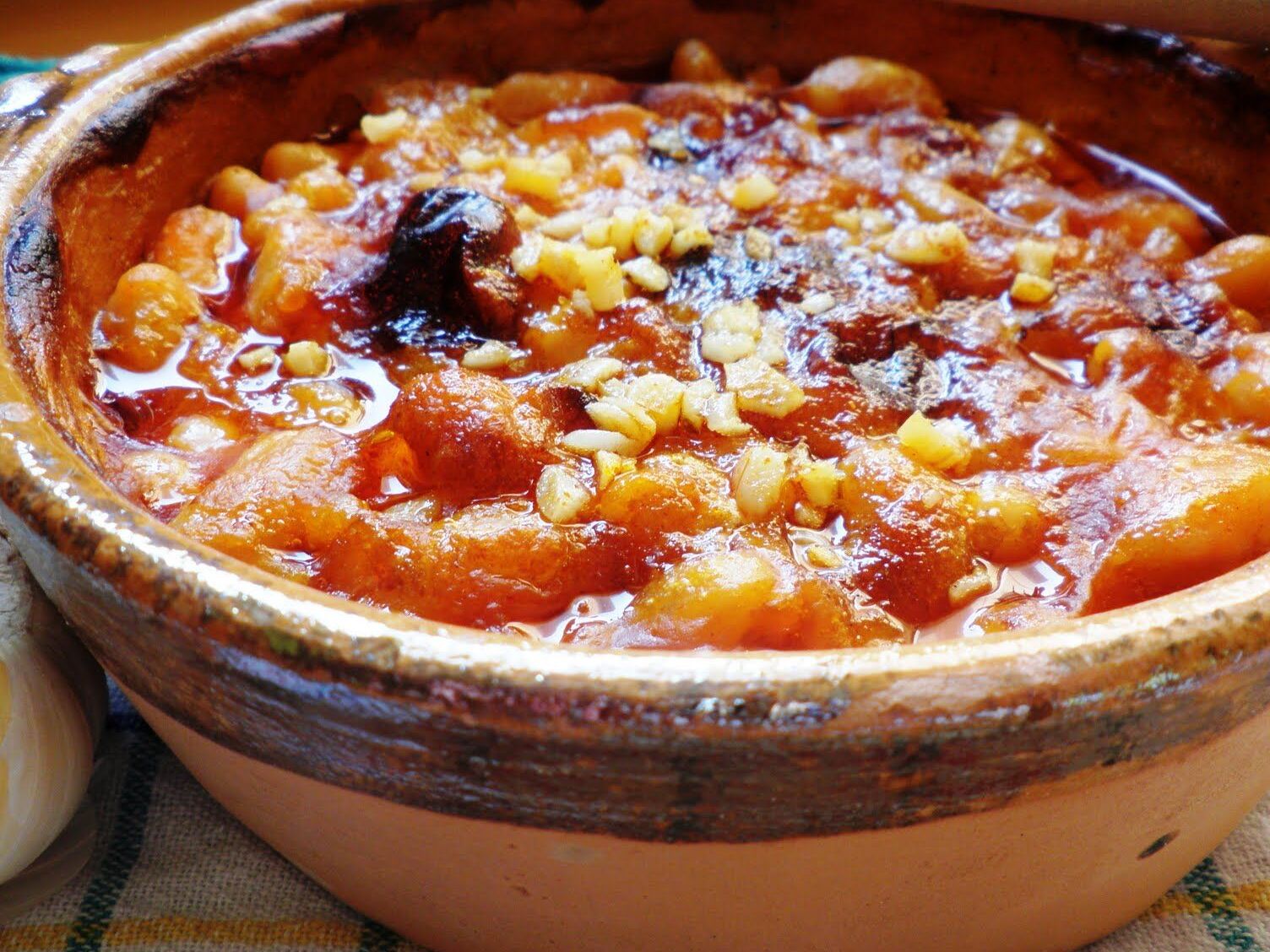
Nestled in the heart of Skopje, Macedonia del Nord, the charming dish of Tavce Gravce emerges not only as a culinary delight but also as a symbol of the region's rich history and vibrant culture. This traditional dish, which translates to ‘baked beans’, is prepared with white beans—often medium-sized and fresh, though dried beans are also used—and flavored with paprika, which stands as the quintessential spice of Macedonian cuisine. The roots of Tavce Gravce stretch deep into the past, with the dish believed to have origins that date back centuries, reflecting the ancient agricultural practices of the region. Beans, one of the earliest cultivated crops, were a staple for many civilizations, and their presence in this dish connects it to a long line of culinary evolution in the Balkans.

Art and Architecture As you explore Skopje, you’ll be enveloped in a blend of architectural styles that reflect its tumultuous history. From ancient Roman ruins to Ottoman-era mosques, the city is a tapestry of time. Notable landmarks include the Stone Bridge, which connects the old and new parts of the city, and the Macedonia Square, home to an array of statues celebrating key historical figures. While the architecture may not be directly linked to Tavce Gravce, the dish embodies the spirit of the local culture, which is evident in the way buildings and streets are adorned with symbols of the past. The artistic significance of Skopje is further highlighted by the Museum of the Macedonian Struggle and the Archaeological Museum, both showcasing the region's deep historical roots.
Local Culture and Traditions The heart of Macedonian culture thrives through its customs and festivals. One notable event is the Ohrid Summer Festival, held annually, which blends music, dance, and theater, celebrating the rich artistic heritage of the country. Folk traditions play a significant role in daily life, with music and dance being integral to local celebrations. Family gatherings often revolve around food, and Tavce Gravce frequently takes center stage on festive occasions, exemplifying the communal spirit that permeates Macedonian life.

Gastronomy Beyond Tavce Gravce, the culinary landscape of Skopje is a feast for the senses. Traditional dishes like Ajvar (a roasted red pepper spread) and Sarma (cabbage rolls filled with meat and rice) reflect the agricultural richness of the region. The use of fresh ingredients, often sourced from local markets, ensures that meals are both flavorful and wholesome. Pairing your meal with a glass of Macedonian wine or rakija (a potent fruit brandy) is customary, creating a harmonious blend of flavors that encapsulate the essence of local gastronomy.
Lesser-known Curiosities One of the hidden gems of Skopje lies in its bustling Old Bazaar, one of the largest and best-preserved marketplaces in the Balkans. Here, visitors can uncover unique handicrafts and antiques that tell stories of the past. Additionally, the Matka Canyon, located just outside the city, is a natural wonder often overlooked by tourists. It offers stunning landscapes and opportunities for outdoor activities, such as kayaking and hiking, providing a beautiful contrast to the urban experience of Skopje.
Practical Visitor Information The best time to visit Skopje is during the spring and early autumn months when the weather is pleasantly warm, making it ideal for exploring the city’s rich offerings. Be sure to try local eateries where Tavce Gravce is served in its traditional form, often accompanied by a side of crusty bread. For those keen on immersing themselves in the local culture, consider participating in a cooking class to learn how to prepare this beloved dish.
In conclusion, Tavce Gravce is more than just a meal; it is a reflection of Macedonia del Nord's history, culture, and the warmth of its people. As you plan your visit to Skopje, don’t forget to savor the flavors and stories that make this dish a true culinary treasure. For a personalized experience in exploring Skopje, the Secret World app can help you craft the perfect itinerary.
