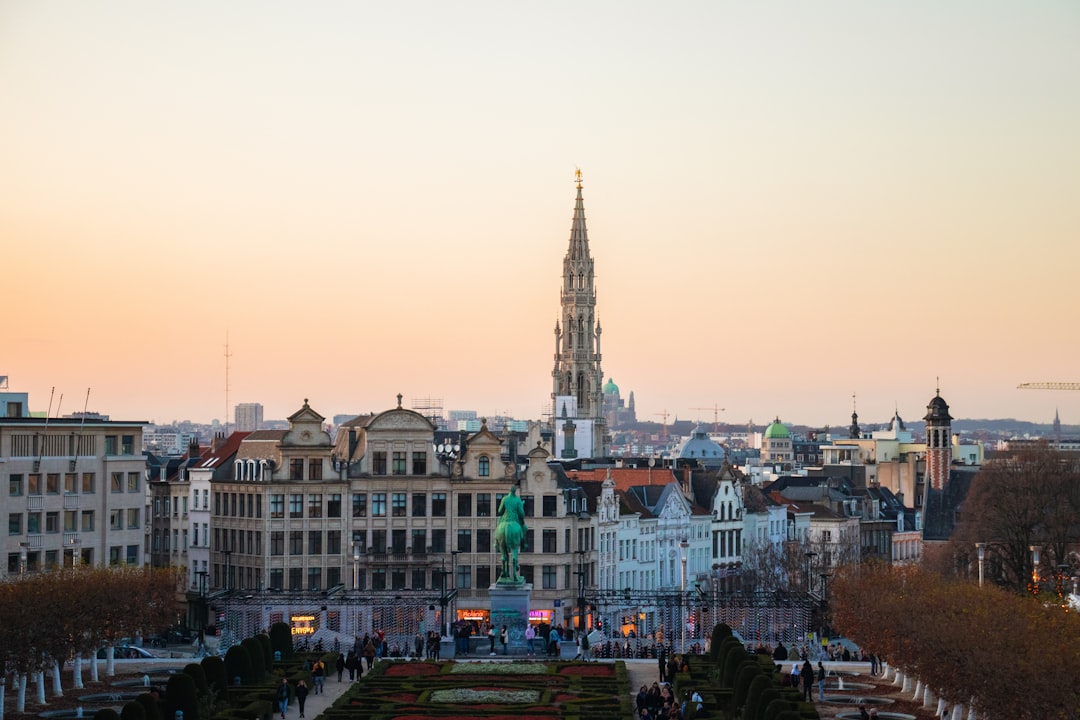

Just 55 centimeters tall, hidden in a corner between Rue de l'Étuve and Rue du Chêne, the Manneken Pis is one of the most photographed sculptures in Europe. Not for its size, but for its brazen simplicity: a bronze boy urinating into a basin, unperturbed by the hundreds of cameras pointed at him every day. Those who arrive expecting something monumental are almost always surprised — and then won over — by this small figure that has embodied the mischievous spirit of Brussels since 1619.
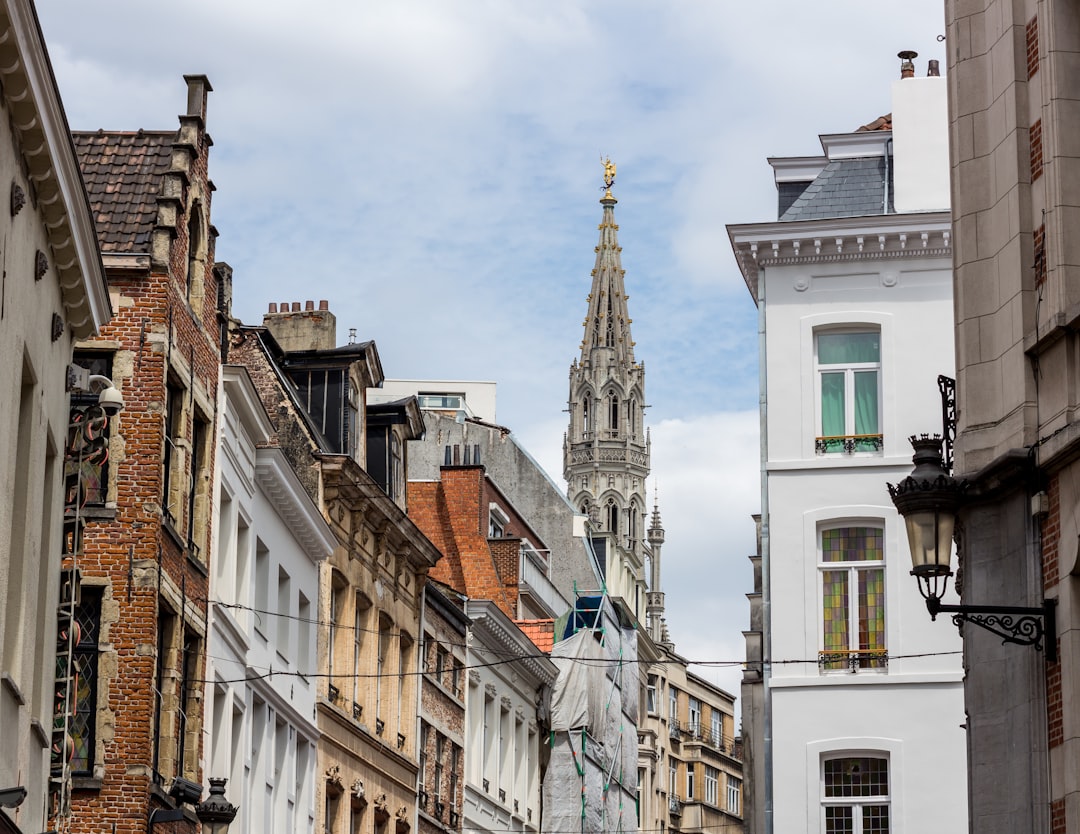
The current statue was created by the Flemish sculptor Jérôme Duquesnoy the Elder, who cast it in bronze in 1619 on commission from the city. It is not the first version: historical sources document the existence of a fountain with the same subject as early as the 14th century, probably made of stone. What we see today is therefore the heir to a centuries-old tradition, a symbol that has survived occupations, thefts, and restorations without losing its character.
A story of thefts, gifts, and royal wardrobes
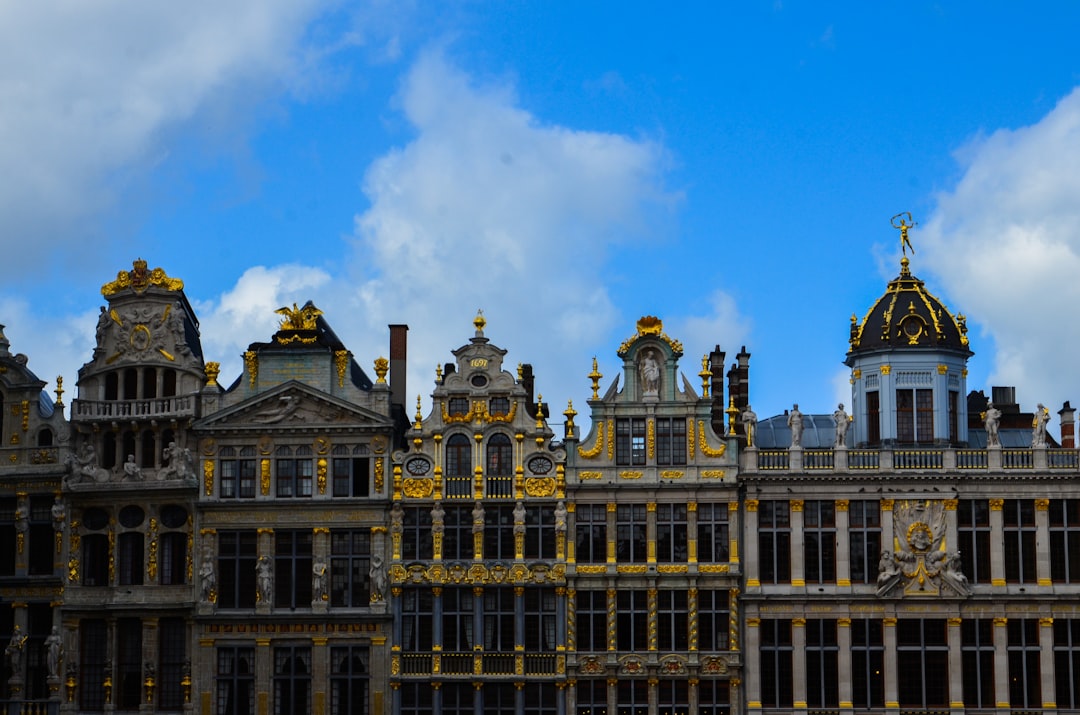
The Manneken Pis has a biography worthy of a literary character. Over the centuries, it has been stolen multiple times — the current version is actually a cast of the original, kept safe in the Brussels City Museum, known as Maison du Roi, overlooking the Grand Place. Among the most documented thefts is that of 1817, when the statue was stolen and then recovered: the perpetrator was sentenced to hard labor.
But the most curious story concerns its wardrobe. Over the centuries, monarchs, embassies, and associations from around the world have donated costumes to the Manneken Pis, creating a collection that today counts over 1,000 outfits. On special occasions — national holidays, city events, international anniversaries — the statue is dressed in one of its costumes, and the schedule of dressings is published on the official website of the City of Brussels. Seeing the Manneken Pis in a sommelier uniform or as a samurai is an experience that transforms a simple visit into something unexpected.
What to observe on site
As you approach the statue, the first thing that strikes you is the baroque niche that houses it, framed by a decorated arch and topped with heraldic crests. The basin below, where the water jet falls, is simple and functional. The contrast between the solemnity of the surrounding architecture and the irreverent nature of the sculpture is an integral part of its charm.
Looking closely at the base, you can see traces of wear and restoration that tell centuries of public life. Around the statue, especially during the central hours of the day, a small international crowd forms: tourists with selfie sticks, curious children, laughing adults. It is one of those rare places where the spontaneous reaction of people becomes part of the spectacle itself. A few steps away, along Rue de l'Étuve, there are shops selling themed souvenirs — chocolates, magnets, figurines — a parallel industry that testifies to how much this small bronze has permeated the collective imagination.
The context: Brussels and its ironic identity
The Manneken Pis is not an isolated case. Over the decades, Brussels has responded with two equally iconic twin sculptures: the Jeanneke Pis, a squatting girl inaugurated in 1987 and located in an alley near the Grand-Place, and the Zinneke Pis, a dog urinating on a pole, installed in 1998. Together they form a sort of scatological trilogy that says a lot about Flemish humor and the city's ability not to take itself too seriously.
This ironic vein is rooted in Brussels culture: the local term zwanze refers precisely to that type of surreal and self-deprecating humor that characterizes the city's identity. The Manneken Pis is its oldest and most recognizable emblem, a bronze manifesto that withstands trends and interpretations.
Practical tips for the visit
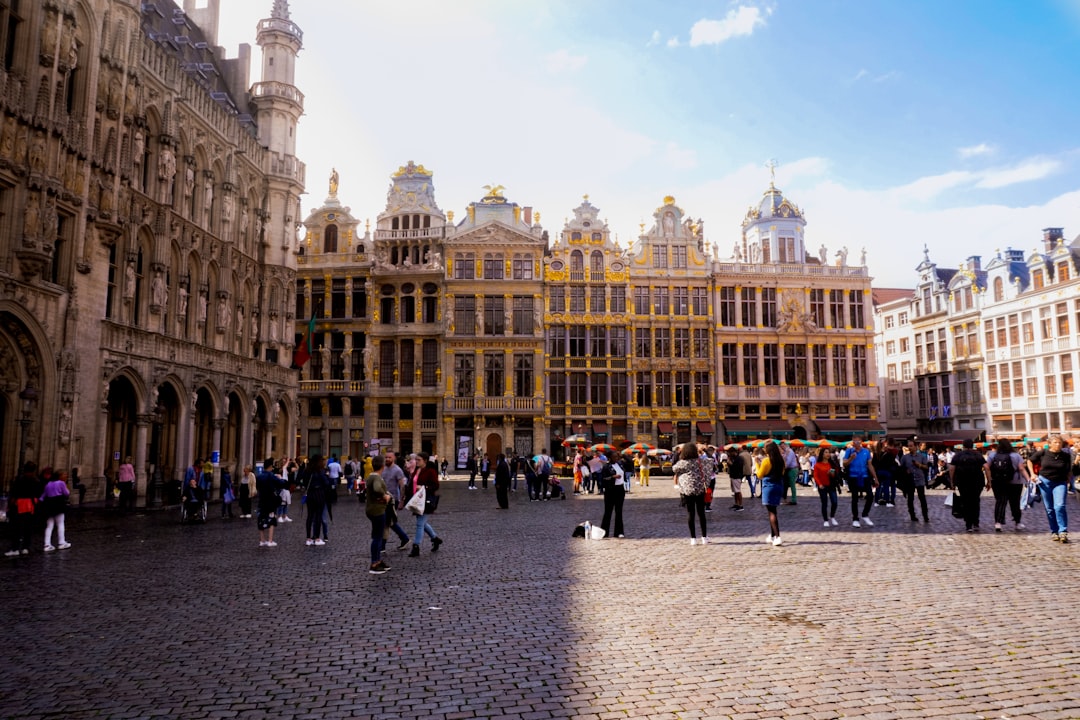
The statue is located about 5 minutes on foot from the Grand-Place, following Rue Charles Buls and then turning onto Rue de l'Étuve. There is no entrance fee: the visit is free and accessible at any time. The best time to avoid the crowd is early in the morning, around 8:00-9:00, when there are still few tourists and you can observe the statue calmly. On weekends and during the central hours of the afternoon, however, the small square quickly becomes crowded.
Before you leave, it is worth checking the costume change calendar on the City of Brussels website: witnessing the change of outfit is a moment that many visitors remember as the most memorable detail of the day. The visit itself takes only a few minutes, but included in an itinerary that includes the Grand-Place and the surrounding historic district, it becomes part of a half-day walk that offers an authentic and surprising Brussels.